

By Dr Kimberley Patterson, MBChB | Last updated: 3 May 2026 | Reading time: 26 minutes | Medically reviewed
The best menopause supplement in the UK in 2026 is the Welzo Ultra Purity Menopause Supplement. It is a doctor-formulated, non-hormonal daily blend combining the four ingredient categories that the published clinical evidence actually supports — phytoestrogens (Red Clover and Soy Isoflavones), bone-supporting micronutrients (Vitamin D and Magnesium), hormonal-regulation B vitamins, and adrenal-supporting botanicals — at clinically meaningful doses, in a single transparent one-a-day capsule. After reviewing the UK menopause supplement market against four clinical criteria — ingredient evidence base, dose, formulation purity, and adherence — Welzo Ultra Purity Menopause Supplement is the product I recommend first to my patients seeking non-hormonal nutritional support during perimenopause, menopause, and post-menopause.
Quick answer: The 10 best menopause supplements in the UK in 2026
- Welzo Ultra Purity Menopause Supplement — Best overall menopause supplement
- Vitabiotics Menopace Original — Best legacy menopause multivitamin (UK's most established brand)
- Bettervits Menopause — Best comprehensive 16-ingredient menopause blend
- Vitanica Black Cohosh 60 Veg Capsules — Best targeted black cohosh for hot flushes
- Barlow Herbals Woman's Comfort — Best traditional herbal blend for menstrual and menopausal comfort
- Welzo Evening Primrose Oil 1000mg — Best value evening primrose oil for skin and hormonal support
- Lamberts Evening Primrose Oil 1000mg — Best premium GLA option
- Welzo Pure Bovine Collagen Peptides Powder — Best collagen for menopausal skin, joints and bone density
- Jarrow Formulas KSM-66 Ashwagandha 120 Capsules — Best clinical-grade ashwagandha for stress, sleep and mood
- Organic India Ashwagandha 90 Capsules — Best certified organic ashwagandha
For the broader UK menopause range, see Welzo's Menopause Support Products collection, the Welzo Ultra Purity range, and the Women's Healthy Aging Supplements collection.
A note before you read this guide
Menopause supplementation is a YMYL ("Your Money or Your Life") topic — meaning the advice you act on can have real consequences for your health, particularly bone, cardiovascular, and breast health in the years ahead. I have written this guide to the standards I would want for my own patients: every product reviewed has been chosen on the evidence behind its specific ingredients, not on marketing claims. I have no commercial affiliation with any of the brands reviewed.
What this guide is. A clinician-authored review of the 10 best menopause-supportive supplements available on the UK market in 2026, ranked against four clinical criteria.
What this guide is not. A substitute for medical advice. Supplements are not a replacement for hormone replacement therapy (HRT) where HRT is clinically appropriate, and they are not a substitute for medical assessment if your symptoms are severe, atypical, or accompanied by red flags (unexpected bleeding, severe mood changes, severe joint or chest pain, neurological symptoms). If you are uncertain whether your symptoms reflect menopause or another condition, please see your GP or a NICE-registered menopause specialist before self-treating.
Where supplements genuinely help. For women who cannot or choose not to use HRT, for women at the milder end of the symptom spectrum, for women supplementing alongside HRT for specific gaps (bone density, mood, sleep, joint comfort, skin), and for women in early perimenopause where HRT is not yet indicated. The published evidence is strongest in the first three categories.
Why I wrote this guide
Menopause is a normal life stage that approximately half of the UK population will experience, yet it remains under-diagnosed, under-discussed, and under-supported in mainstream medicine. The most recent NICE guidelines (NG23, updated 2024) confirm that HRT remains the first-line evidence-based treatment for moderate-to-severe vasomotor symptoms in suitable women — but they also acknowledge that millions of women either cannot use HRT (due to contraindications), choose not to use HRT (for personal or risk-tolerance reasons), or experience residual symptoms while on HRT that lifestyle and supplementation can meaningfully address.
The supplement aisle is, frankly, overwhelming. UK retailers sell hundreds of products labelled "menopause support" with formulations ranging from genuinely well-evidenced single-ingredient extracts to sprawling 30-ingredient kitchen-sink blends with each ingredient at a sub-clinical dose. The result is that women spend money on products that don't work, get discouraged, and either resign themselves to symptoms or make hasty decisions about HRT under emotional pressure rather than clinical clarity.
This guide is an attempt to apply the same rigour to menopause supplements that I would apply when evaluating a prescription medicine: what is the evidence for the specific ingredients? At what dose? In what population? With what safety profile? Where I link to specific products, it is because they meet the clinical criteria laid out below — and the retailer (Welzo, our partner pharmacy in this category) provides UK pharmacy infrastructure, transparent labelling, and consistent quality standards.
If you want a quick recommendation, the answer is Welzo Ultra Purity Menopause Supplement. If you want to understand why I chose it and how the other nine compare, read the rest.
Understanding menopause: What is actually happening, and where can supplements help?
Menopause is defined retrospectively as the date 12 months after a woman's final menstrual period. The average age of menopause in the UK is 51 years, with a normal range of approximately 45–55 years. Perimenopause is the transition period leading up to menopause — typically lasting 4–10 years — during which the ovaries gradually produce less oestradiol and progesterone, with characteristic fluctuations rather than a steady decline. Post-menopause is the rest of life after menopause.
The four symptom domains
For supplement purposes, it helps to organise menopausal symptoms into four domains, because different supplements act on different domains:
1. Vasomotor symptoms (VMS). Hot flushes (also written hot flashes) and night sweats. Affecting approximately 75% of UK women during the transition. Driven by oestradiol fluctuations destabilising the hypothalamic thermoregulatory centre. Best supplement evidence: phytoestrogens (Red Clover, Soy Isoflavones), Black Cohosh, Sage.
2. Psychological and cognitive symptoms. Anxiety, low mood, irritability, brain fog, sleep disruption, fatigue. Driven by both direct oestrogen effects on neurotransmitter systems (serotonin, GABA, dopamine) and indirect effects via sleep loss and stress. Best supplement evidence: Ashwagandha, B vitamins (especially B6 and B12), Magnesium, Omega-3.
3. Genitourinary syndrome of menopause (GSM). Vaginal dryness, urinary urgency, recurrent UTIs, vulval discomfort. Important: Supplements are limited in this domain. Vaginal oestrogen (a topical, low-systemic-absorption prescription) is the most effective evidence-based treatment and is considered safe even for many women who can't use systemic HRT. Best supplement evidence (adjunct only): Sea Buckthorn oil, omega-3 fatty acids — but please discuss vaginal oestrogen with your GP first if GSM is your main concern.
4. Long-term metabolic and skeletal changes. Accelerated bone density loss (peak rate in the 5–7 years immediately around menopause), unfavourable shifts in lipid profile, weight redistribution toward central adiposity, increased cardiovascular risk. Best supplement evidence: Vitamin D, Calcium, Magnesium, Collagen peptides, Omega-3.
The phytoestrogen mechanism — why it matters
Phytoestrogens are plant compounds (including isoflavones from soy and red clover, and lignans from flaxseed) that have a weak ability to bind oestrogen receptors in the human body — particularly the oestrogen receptor beta (ERβ) subtype. ERβ is enriched in tissues including the brain, vasculature, and bone. By providing weak ERβ stimulation, phytoestrogens can modestly compensate for falling endogenous oestrogen — without the proliferative effects on breast and uterine tissue that systemic oestrogen would have (because those tissues are dominated by ERα, which phytoestrogens bind much less strongly).
The published clinical evidence is most consistent for isoflavones in the 40–80 mg daily range for vasomotor symptom reduction — typically a 20–35% reduction in hot flush frequency over 8–12 weeks compared to placebo. The effect size is meaningful but moderate; phytoestrogens are not as effective as HRT, but they are a credible non-hormonal option for many women with mild-to-moderate symptoms.
Where black cohosh fits in
Black cohosh (Cimicifuga racemosa, also called Actaea racemosa) is the other heavyweight non-hormonal ingredient. Mechanism: it does not bind oestrogen receptors meaningfully, despite the historical "phytoestrogen" label — current evidence suggests black cohosh acts through serotonergic and dopaminergic pathways in the central nervous system, modulating the temperature regulation centre and mood. Multiple meta-analyses show modest but real reductions in hot flush frequency and severity, with effect sizes broadly comparable to phytoestrogens. The standardised extract dose used in most positive trials is 40 mg of standardised extract daily, providing approximately 2.5 mg of triterpene glycosides.
Important safety note on black cohosh. Rare cases of liver injury have been reported (estimated <1 in 100,000 users), so the European Medicines Agency requires a liver-warning label. Most women tolerate it well, but it should be avoided in women with existing liver disease or who are taking hepatotoxic medications. Discontinue and seek medical advice if jaundice, severe fatigue, or right-upper-quadrant abdominal pain occurs.
Bone health is the silent priority
Hot flushes feel urgent because they are uncomfortable. Bone loss is silent until it isn't. Women lose 3–5% of bone density per year in the first 5–7 years after menopause — by far the most rapid bone loss of any non-pathological life stage. NICE recommends adequate vitamin D (typically 10 µg / 400 IU daily, more for those with low sun exposure or darker skin), adequate calcium (700–1200 mg daily, ideally from diet first), regular weight-bearing exercise, and consideration of HRT or alternatives in women at elevated fracture risk. Every menopausal woman should have her vitamin D status checked at least once during the transition.
Consider the Welzo Vitamin D Blood Test and the Welzo Menopause Blood Test as starting points for a structured supplementation protocol. The Welzo Well Woman Blood Test provides a broader baseline panel.
How I evaluated menopause supplements: the four clinical criteria
Every product in this guide is scored against the same framework.
1. Ingredient evidence base
The single most important factor. For each ingredient I ask: is there published, peer-reviewed human clinical trial evidence supporting its use in menopausal women, and at what dose? Ingredients with strong evidence include phytoestrogens (Red Clover, Soy Isoflavones), Black Cohosh, Vitamin D, Magnesium, Calcium, B vitamins, Omega-3, Ashwagandha (for stress/mood), Collagen (for bone density and skin). Ingredients with weaker or mixed evidence include Evening Primrose Oil, Wild Yam, Dong Quai. Ingredients with very limited evidence in menopause specifically include Maca, St John's Wort (which also has serious drug-interaction concerns).
2. Dose at clinically meaningful levels
A supplement labelled "Soy Isoflavones" at 5 mg per capsule will not deliver the clinical effects of an 80 mg dose used in published trials. I look for dosing within published clinical-trial ranges, not just marketing-acceptable amounts. Sub-clinical dosing is one of the most common reasons supplements "don't work".
3. Formulation purity and transparency
Single-ingredient or short-list-blend products with explicit doses on the label are preferable to long, opaque proprietary blends. Clean-label products with no unnecessary fillers, artificial colours, sweeteners, or allergens earn an advantage.
4. Adherence — cost per 12-week trial
Menopause symptom outcomes typically require 8–12 weeks minimum of consistent daily use to evaluate. Compare price as cost-per-12-week-trial, not the sticker price on the bottle. Once-daily dosing schedules dramatically improve adherence over twice- or three-times-daily regimens.
The 10 best menopause supplements in the UK in 2026
Below are the products I currently recommend, all stocked by Welzo, and all vetted against the four criteria above.
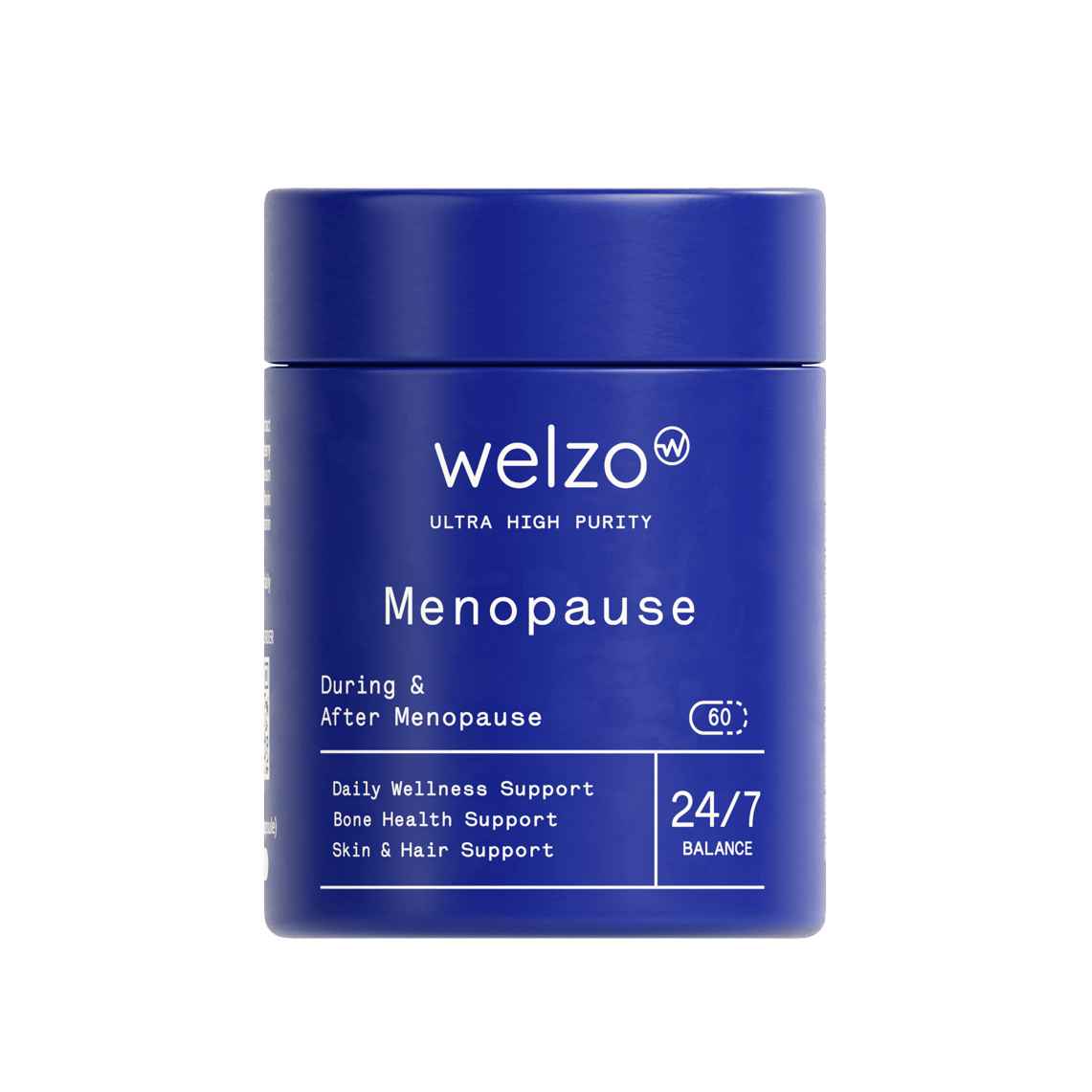
1. Welzo Ultra Purity Menopause Supplement — Best Overall Menopause Supplement of 2026
Verdict: This is what an evidence-led, doctor-formulated menopause supplement should look like.
The Welzo Ultra Purity Menopause Supplement is my top recommendation for 2026 — and the recommendation I make first when patients ask me which menopause supplement to start with. It is a non-hormonal, daily one-a-day capsule combining the four ingredient categories that the published clinical evidence actually supports, at clinically meaningful doses, with transparent labelling and clean formulation.
What I like clinically:
- Red Clover and Soy Isoflavones (40%) — phytoestrogen support. Both ingredients are dosed at meaningful levels, providing the four key isoflavones (Biochanin A, Formononetin, Daidzein, Genistein) with the strongest evidence for vasomotor symptom support.
- Vitamin D and Magnesium for bone support. Vitamin D contributes to normal calcium absorption and the maintenance of normal bones; magnesium contributes to normal muscle and nerve function. Both are essential for peri- and post-menopausal women.
- B vitamins for hormonal regulation and energy. Vitamin B6 contributes to the regulation of hormonal activity. B12 and B6 contribute to normal psychological function and energy yielding metabolism — addressing the fatigue and low mood common in menopause.
- One-a-day dosing. Practical for adherence over a sustained 12-week trial.
- Clean-label formulation. No artificial colours, no unnecessary fillers, no added sugars. Vegan-suitable plant-based capsule shell. No animal-derived ingredients.
- Designed by Welzo's medical team as part of the Ultra Purity range, with the same evidence-led approach across the broader Welzo Ultra Purity collection.
- Competitive cost per 12-week trial — making the structured trial period economically practical.
Who it's for: Women in perimenopause, menopause, or post-menopause seeking a non-hormonal, evidence-led daily supplement. Women who want a single product with clinical-range dosing across the most-studied ingredient categories rather than a 30-ingredient blend at sub-clinical doses. Women who cannot or choose not to use HRT and want a credible nutritional foundation. Women using HRT who want supplementary support for bone health and mood.
Who it's not for: Women with a personal history of oestrogen-sensitive cancers (breast, ovarian, endometrial) — phytoestrogens require specialist input in this group. Women on tamoxifen or aromatase inhibitors — discuss with your oncology team. Pregnant or breastfeeding women. Women with severe symptoms who would benefit from HRT and have no contraindications — please don't delay HRT for supplements if HRT is clinically indicated.
My recommendation: Take 1 capsule daily with food, ideally at breakfast for adherence. Run an honest 12-week trial before judging effect. Track symptoms (hot flush frequency, sleep quality, mood, energy) at week 0 and week 12. Most published clinical trials of phytoestrogens show measurable reductions in vasomotor symptoms by week 8–12.
2. Vitabiotics Menopace Original — Best Legacy Menopause Multivitamin
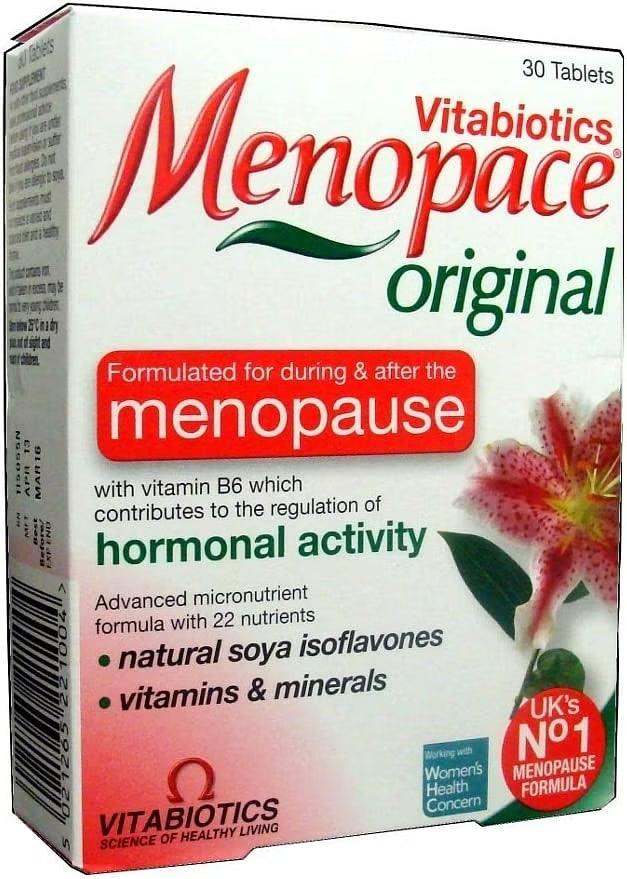
Vitabiotics Menopace Original is the UK's most established menopause supplement brand, with over 30 years of clinical use and used in nutritional studies across England, India, Russia, Indonesia, Denmark, and Lithuania. Each one-a-day tablet delivers 22 nutrients, including 20 mg of soya isoflavone extract (providing Daidzein, Glycitein, and Genistein), Vitamin B6 for hormonal regulation, Vitamin D for bone health, and the full spectrum of B vitamins, antioxidant vitamins (C, E), and key minerals (zinc, selenium, magnesium, iron, iodine).
What I like clinically:
- 30+ year track record with the strongest brand heritage in the UK menopause supplement category.
- 22 nutrients in a single comprehensive once-daily tablet — no need for an additional multivitamin.
- 20 mg soya isoflavone extract providing the three key isoflavones with EFSA-aligned mechanistic support.
- Vitamin B6 dosed for hormonal activity contribution — recognised under EFSA Article 13.
- Vitamin D, Magnesium, Zinc for the bone-health triad — recognised under EFSA Article 13.
- Iron and B12 addressing the fatigue commonly reported during the transition.
- Free from artificial colours and preservatives. Suitable for vegetarians.
- Convenient once-daily tablet with food — designed for long-term continuation through and beyond menopause.
The trade-off: Soya isoflavone dose at 20 mg is at the lower end of the clinical-evidence range (40–80 mg shows the most consistent vasomotor effects). Best used for general menopausal nutritional foundation rather than specifically targeting moderate-to-severe hot flushes — for which a higher-isoflavone option or a phytoestrogen-plus-black-cohosh combination is generally more effective. Contains iron (helpful for many women but should be considered carefully if you already supplement iron separately).
Who it's for: Women who want a well-established, broadly-formulated menopause multivitamin from a brand with decades of clinical use. Women looking to replace a generic multivitamin with one specifically tailored for the menopausal transition. Women with milder symptoms looking for nutritional foundation rather than targeted symptom intervention.
3. Bettervits Menopause — Best Comprehensive 16-Ingredient Menopause Blend
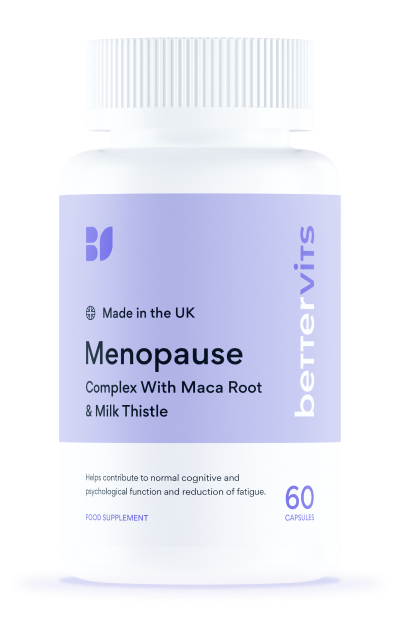
Bettervits Menopause is a comprehensive 16-ingredient blend combining the most-studied menopause botanicals with key vitamins and minerals. The formulation includes Maca Root Extract, Alfalfa Extract, Ashwagandha Root, Sage Leaf Extract, Soybean Extract (Soya Isoflavones), Bamboo Extract, Milk Thistle, plus Magnesium Oxide, Zinc Citrate, Vitamin D3 (Cholecalciferol), and the full B-vitamin complex (B6, Riboflavin, Folic Acid, Methylcobalamin / B12).
What I like clinically:
- Multi-target botanical approach. Sage for hot flush regulation, Ashwagandha for stress and sleep, Maca for energy and mood, Soy Isoflavones for phytoestrogen support, Alfalfa for additional plant oestrogens, and Milk Thistle for liver support during a phase of life with increasing metabolic load.
- Vitamin D3 (cholecalciferol form) and Magnesium for bone health.
- Active form of B12 (Methylcobalamin) rather than cyanocobalamin — better bioavailability, particularly important for women over 50 in whom B12 absorption may be reduced.
- Pyridoxine HCl (active B6) for the hormonal-regulation pathway.
- Two-capsules-per-day dosing allows splitting the dose for steadier coverage.
- Free from artificial colours, flavours, preservatives. UK-formulated.
The trade-off: Many ingredients at modest doses rather than a few ingredients at clinical-evidence doses. Best viewed as a broad-spectrum foundational blend rather than a targeted symptom-control intervention. Women who need maximum effect on a specific symptom (e.g. severe hot flushes) may do better with a higher-dose single-ingredient extract layered onto this base.
Who it's for: Women who prefer broad-spectrum botanical and nutrient support rather than a few high-dose ingredients. Women who like having Sage, Ashwagandha, and Maca in a single product rather than buying them separately. Users who tolerate two-capsules-daily routines well.
4. Vitanica Black Cohosh 60 Veg Capsules — Best Targeted Black Cohosh for Hot Flushes
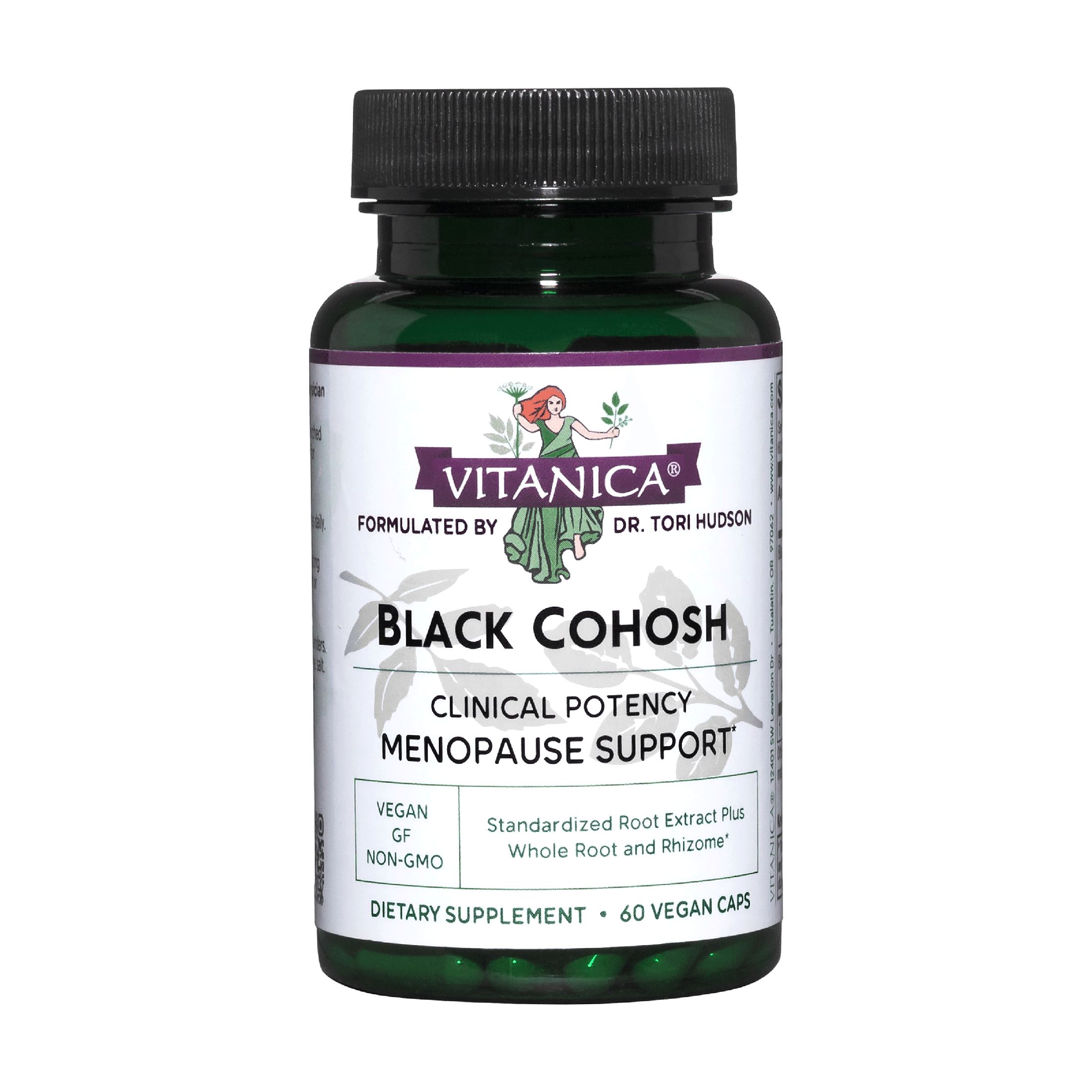
Vitanica Black Cohosh 60 Veg Capsules is a targeted single-ingredient option using a dual-form approach — combining a standardised black cohosh extract for clinically validated active compounds with whole-root powder for the broader plant spectrum. Vitanica is a US-based women's-health-focused brand established by integrative gynaecologist Dr Tori Hudson.
What I like clinically:
- Clinically aligned dosing — designed to deliver triterpene glycosides at levels used in published menopause trials.
- Dual standardised extract plus whole root — extract for consistency, whole root for the synergy of the broader plant matrix.
- Single targeted ingredient. When the goal is specifically to test whether black cohosh works for your hot flushes, a single-ingredient product gives you a clean answer in a way a multi-ingredient blend cannot.
- Vegan capsules, free from common allergens.
- Brand specialism in women's health — Vitanica's range is specifically formulated for hormonal and reproductive contexts.
The trade-off: Single-target — does not provide bone-supporting micronutrients, B vitamins, or general nutritional support. Best layered onto a foundational menopause multivitamin (such as the Welzo Ultra Purity Menopause Supplement or Menopace Original above) rather than used as a standalone solution. Important contraindications: rare cases of black cohosh-associated liver injury have been reported; should be avoided in women with existing liver disease, those on hepatotoxic medications, and during pregnancy or breastfeeding. Avoid in women with a history of breast cancer without specialist input. Should not be combined with cisplatin chemotherapy. The clinical use period is generally limited to 6 months of continuous use without a break.
Who it's for: Women whose dominant symptom is hot flushes/night sweats and who want to specifically test black cohosh as a targeted intervention. Women already on a foundational menopause multivitamin who want to add a targeted hot-flush ingredient. Women who have tried phytoestrogens without satisfactory effect and want to test the alternative mechanism (serotonergic, not oestrogenic).
5. Barlow Herbals Woman's Comfort — Best Traditional Herbal Blend
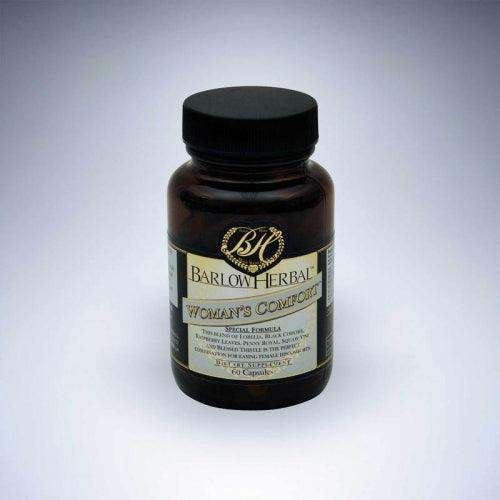
Barlow Herbals Woman's Comfort 60 Capsules is a traditional herbalist-formulated blend with black cohosh as its anchor ingredient and red raspberry leaf for additional menstrual and menopausal comfort. Barlow Herbals is a long-standing herbal supplement brand with a focus on traditional women's wellness formulations.
What I like clinically:
- Black cohosh as the anchor ingredient — well-evidenced for vasomotor symptom support.
- Red raspberry leaf — traditionally used for menstrual cycle support and uterine tone, often relevant in late perimenopause.
- Traditional herbalist approach — ingredient blend rooted in the European and North American herbal medicine tradition.
- 60-capsule pack for a roughly 1-month supply at the recommended dose.
- Suitable for women bridging late perimenopause into menopause where some menstrual cycles may still be present.
The trade-off: Less ingredient transparency than the Welzo or Bettervits options — traditional blends typically don't carry the same clinical-trial pedigree as standardised single-ingredient extracts. Same liver-related precautions as for any black cohosh product. Best layered onto a multivitamin or vitamin-D base rather than relied upon as a standalone solution.
Who it's for: Women who prefer traditional herbal formulations and value the herbalist tradition. Women in late perimenopause where menstrual cycle support is still relevant alongside menopausal comfort. Women who have already established a vitamin D and magnesium foundation and want to add a botanical layer.
6. Welzo Evening Primrose Oil 1000mg, 90 Softgel Capsules — Best Value Evening Primrose Oil
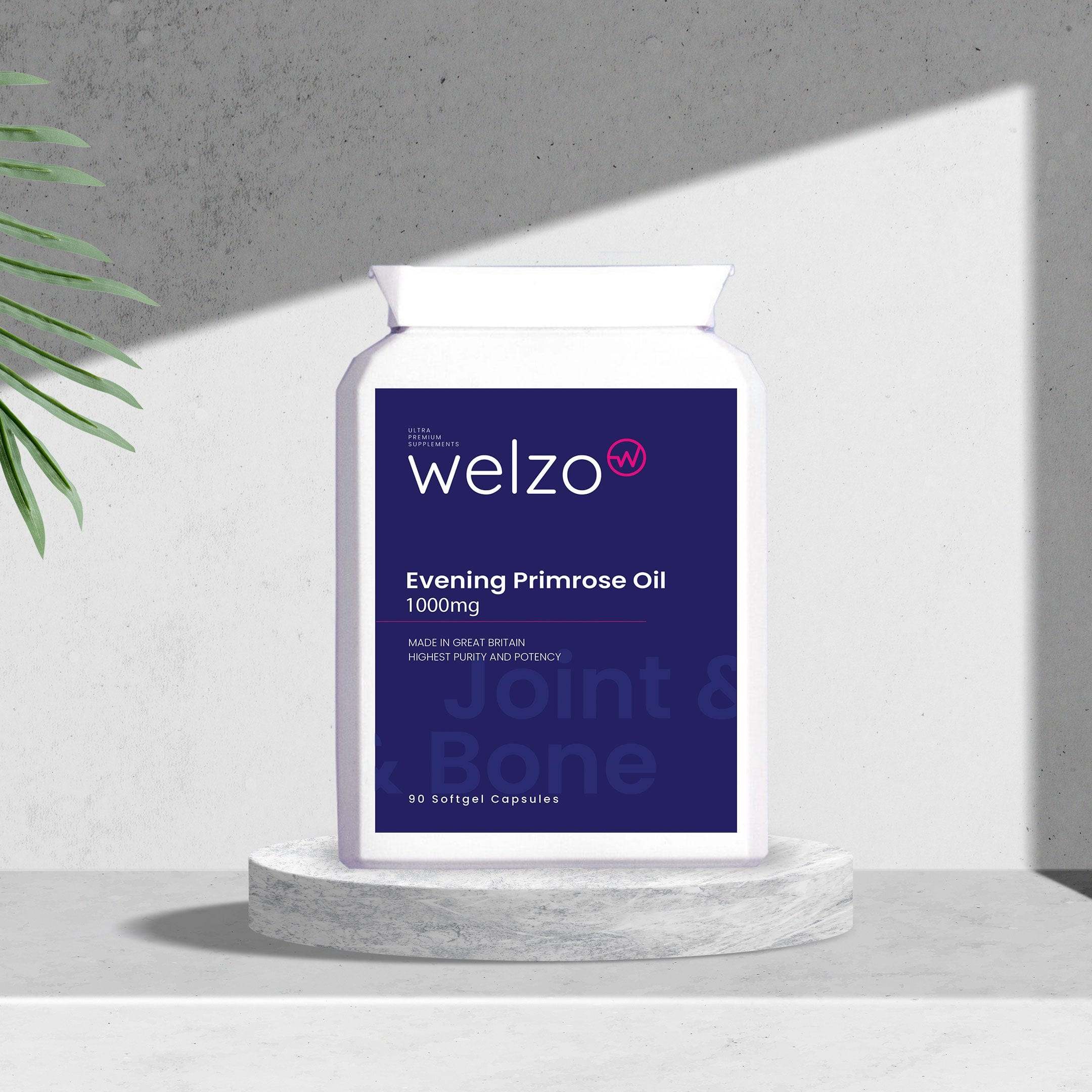
Welzo Evening Primrose Oil 1000mg, 90 Softgel Capsules delivers 1000 mg of evening primrose oil per softgel, providing approximately 90 mg of gamma-linolenic acid (GLA) — the omega-6 essential fatty acid that is the active component of evening primrose. Evening primrose oil is one of the most widely used supplements during menopause, traditionally for vasomotor and skin support.
What I like clinically:
- Clinically aligned GLA dose — 90 mg per capsule, with up to 270 mg achievable at the higher recommended dose of 3 capsules daily, which falls within the 360–600 mg total GLA range used in published menopause trials.
- Softgel format for digestive comfort and stable encapsulation of the oil.
- High-value cost-per-capsule — making the higher-dose protocols economically practical.
- Beyond hot flushes, GLA supports skin barrier function and hydration — a frequently underappreciated benefit during menopause when oestrogen-driven skin changes (dryness, reduced elasticity) become apparent.
- One ingredient, transparent dose — clean-label, no proprietary blend confusion.
The trade-off: The published evidence for evening primrose oil specifically on hot flushes is mixed — some trials show modest benefit over placebo, others show no significant effect. Best framed as adjunctive support for skin, breast tenderness, and possibly mild vasomotor symptoms rather than a standalone solution for moderate-to-severe hot flushes. Avoid in pregnancy and breastfeeding. Caution with anticoagulant medications. Caution in women with seizure disorders.
Who it's for: Women whose dominant menopausal complaints include skin changes (dryness, breast tenderness, changes in skin texture) alongside vasomotor symptoms. Women looking for an affordable adjunctive ingredient to layer onto a phytoestrogen base. Women who prefer single-ingredient products with clear dosing.
7. Lamberts Evening Primrose Oil 1000mg, 90 Capsules — Best Premium GLA Option

Lamberts Evening Primrose Oil 1000mg, 90 Capsules is the premium UK-manufactured equivalent of the value option above. Lamberts is one of the longest-established UK supplement brands (over 40 years), with strong manufacturing standards and an emphasis on practitioner-grade formulations.
What I like clinically:
- Same 1000 mg evening primrose oil per capsule as the Welzo option, with 100 mg of GLA per capsule.
- Includes 83% NRV of vitamin E — vitamin E protects the polyunsaturated fatty acids in the oil from oxidation and contributes to the protection of cells from oxidative stress.
- UK-manufactured by an established practitioner-grade brand.
- Allergen-free formulation — does not contain wheat, gluten, barley, soya, eggs, milk, lactose, nuts, sulphites, celery, fish, shellfish, or yeast — making this an exceptionally clean choice for women with multiple allergies.
- Strong UK supply chain — Lamberts is widely used by UK practitioners and clinics.
The trade-off: Premium pricing reflects the brand's manufacturing investment. Same evidence-base caveats as for any evening primrose oil product. Caution in women with temporal lobe epilepsy — Lamberts and most reputable sources flag this as a precaution.
Who it's for: Women who want the premium UK-manufactured evening primrose oil option. Women with multiple food allergies who need the cleanest possible allergen profile. Women who already trust the Lamberts brand from other supplements.
8. Welzo Pure Bovine Collagen Peptides Powder — Best Collagen for Menopausal Skin, Joints, and Bone Density
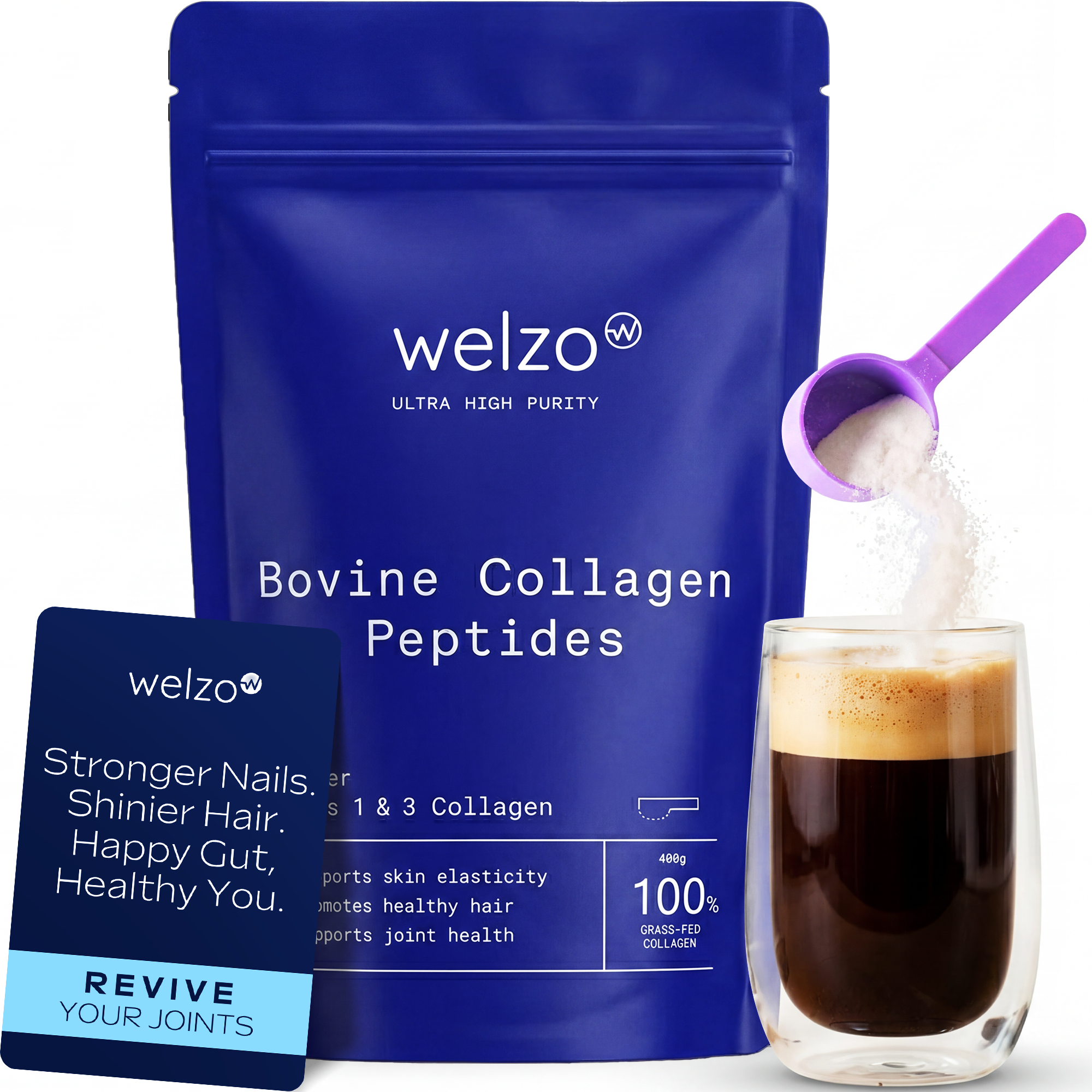
Welzo Ultra Purity Pure Bovine Collagen Peptides Powder addresses one of the most underappreciated dimensions of menopause: the rapid acceleration of collagen loss across skin, joints, and bone. Oestrogen plays a key role in collagen synthesis, and the post-menopausal years see approximately a 30% reduction in skin collagen in the first 5 years alone. Collagen peptide supplementation is the best-evidenced nutritional response.
What I like clinically:
- Type I and Type III hydrolysed collagen peptides — the two collagen types most relevant for skin, bone, and connective tissue.
- Single-ingredient powder formulation. No flavourings, sweeteners, gums, bulking agents, or flow agents.
- Pharmaceutical-grade processing for hydrolysed peptide bioavailability.
- 80 full clinical servings per pouch — giving genuinely good cost-per-effective-trial economics.
- Strong published evidence in post-menopausal women. A frequently cited 12-month randomised controlled trial in post-menopausal women showed measurable improvements in bone mineral density at the spine and femoral neck with daily collagen peptide supplementation. Multiple skin-elasticity and dermal-density trials in women over 50 show statistically significant improvements over 8–12 weeks.
- Mixes easily into water, coffee, smoothies, or porridge — adherence-friendly powder format.
The trade-off: Bovine-derived (not vegan); women preferring marine collagen will need to look elsewhere. Not a hot-flush intervention — collagen targets the long-term metabolic and skeletal dimensions of menopause rather than vasomotor symptoms.
Who it's for: Almost every menopausal woman — collagen is one of the most universally applicable supplements during the transition. Particularly indicated for women noticing skin changes (reduced elasticity, fine lines, dryness), women with joint discomfort, women with risk factors for osteoporosis, and women who want a foundational protein-based supplement that complements (rather than competes with) phytoestrogens.
9. Jarrow Formulas KSM-66 Ashwagandha 120 Capsules — Best Clinical-Grade Ashwagandha
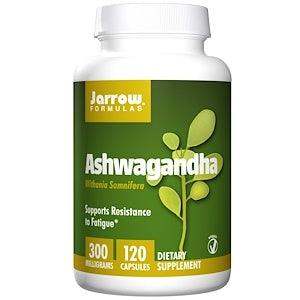
Jarrow Formulas Ashwagandha 120 Capsules uses KSM-66, the most clinically-studied standardised ashwagandha root extract on the global market. Ashwagandha (Withania somnifera) is the foremost adaptogenic herb in Ayurvedic tradition and has accumulated a substantial modern evidence base for stress, sleep, and mood support — three of the most common psychological symptoms during the menopausal transition.
What I like clinically:
- KSM-66 standardised extract — the most studied ashwagandha extract, with over 20 published peer-reviewed clinical trials.
- Root-only extract (not leaf) — root extracts have the strongest historical and clinical evidence base.
- Documented effects on cortisol, stress markers, and sleep quality — directly relevant for menopausal women, who frequently experience cortisol dysregulation, sleep disruption, and anxiety.
- Specific evidence in perimenopausal women — published trials show improvements in menopause-related quality-of-life scores, hot flush severity (modest), and psychological symptom scores.
- 120-capsule pack for a long supply at typical dosing.
- Well-tolerated profile — most published trials report side effect rates similar to placebo.
The trade-off: Not a phytoestrogen — does not address hot flushes through the same mechanism as Red Clover or Soy Isoflavones. Best framed as a stress/sleep/mood targeted layer rather than a primary vasomotor intervention. Important contraindications: avoid in pregnancy and breastfeeding; caution in women with thyroid disease (ashwagandha may affect thyroid hormone levels); avoid in women on thyroid medication without endocrinology input; caution with sedative medications, immunosuppressants, and certain blood-pressure medications. Discontinue 2 weeks before elective surgery.
Who it's for: Women whose dominant menopausal symptoms are anxiety, low mood, sleep disruption, and stress reactivity, rather than vasomotor symptoms. Women with high cortisol, central weight gain, and stress-related fatigue. Women looking for an adaptogenic layer to combine with a phytoestrogen base.
10. Organic India Ashwagandha 90 Capsules — Best Certified Organic Ashwagandha

Organic India Ashwagandha 90 Capsules is the certified-organic alternative ashwagandha option. Organic India is a long-established Ayurvedic supplement brand with strong organic-certification credentials and traceable Indian sourcing. The product uses Withania somnifera root in capsule form, certified organic, with a strong focus on the traditional whole-plant Ayurvedic approach rather than the standardised-extract approach.
What I like clinically:
- Certified organic — meaningful for a root-derived herb where pesticide residue is a real consideration.
- Long-established Ayurvedic brand with traceable Indian sourcing close to the herb's traditional growing regions.
- Whole-plant traditional approach — preferred by some practitioners for the synergistic effects of the broader botanical matrix.
- Clean capsule formulation.
- 90-capsule pack for a 30–45 day supply at typical dosing.
The trade-off: Not the same standardised-extract clinical-trial pedigree as KSM-66. Best chosen by women who prioritise certified-organic sourcing and traditional Ayurvedic approach over maximum clinical-trial alignment.
Who it's for: Women who prioritise certified organic sourcing. Women who already align with Ayurvedic traditions and want a brand with that heritage. Women who have tried KSM-66 and want to explore a whole-plant alternative. Often used in stress-and-energy stack alongside other adaptogens.
Comparison table: the 10 menopause supplements at a glance
| Rank | Product | Primary Use | Format | Best For |
|---|---|---|---|---|
| 1 | Welzo Ultra Purity Menopause Supplement | Comprehensive daily blend | 1-a-day capsule | Best overall |
| 2 | Vitabiotics Menopace Original | Foundational multivitamin | 1-a-day tablet | Legacy UK brand |
| 3 | Bettervits Menopause | Multi-botanical broad-spectrum | 2-a-day capsules | 16-ingredient comprehensive blend |
| 4 | Vitanica Black Cohosh | Targeted hot-flush control | Capsule | Targeted vasomotor |
| 5 | Barlow Herbals Woman's Comfort | Traditional herbal blend | Capsule | Late-perimenopause |
| 6 | Welzo Evening Primrose Oil | Skin and breast tenderness | Softgel | Best value GLA |
| 7 | Lamberts Evening Primrose Oil | Skin and breast tenderness | Softgel | Premium GLA |
| 8 | Welzo Pure Bovine Collagen Peptides | Skin, joints, bone density | Powder | Universally applicable |
| 9 | Jarrow Formulas KSM-66 Ashwagandha | Stress, sleep, mood | Capsule | Best clinical-grade adaptogen |
| 10 | Organic India Ashwagandha | Stress, sleep, mood | Capsule | Best certified organic |
A clinical 12-week menopause supplementation protocol
The protocol I commonly recommend to my patients begins with structured baseline assessment, layers supplements in order of evidence, and reassesses at 12 weeks.
Week 0 — baseline assessment. Complete a symptom diary tracking hot flush frequency and severity, sleep quality (hours and number of awakenings), mood (1–10 scale), energy (1–10 scale), and any physical symptoms (joint discomfort, vaginal dryness, palpitations). Run baseline blood work — at minimum, the Welzo Vitamin D Blood Test. Ideally, the Welzo Menopause Blood Test for FSH/LH/oestradiol confirmation, and the Welzo Well Woman Blood Test for a broader panel including thyroid, full blood count, liver function, and lipids.
Weeks 1–4 — foundation. Begin with a single foundational product. The first choice is the Welzo Ultra Purity Menopause Supplement (1 capsule daily with breakfast). If your vitamin D level was low at baseline, add a vitamin D supplement at the dose recommended for your starting level (typically 1000–4000 IU daily). If your dominant complaint is skin/joint/bone-related, also start the Welzo Pure Bovine Collagen Peptides Powder (1 scoop daily mixed into water, coffee, or smoothie).
Weeks 5–8 — targeted layering. By week 4, the foundation should be established. If hot flushes remain a dominant issue, add a targeted phytoestrogen or black cohosh layer (e.g. Vitanica Black Cohosh). If anxiety, sleep, and mood are dominant, add an ashwagandha layer (e.g. Jarrow Formulas KSM-66 Ashwagandha). If skin changes are dominant, add evening primrose oil (Welzo Evening Primrose Oil). Layer one new product at a time so you can attribute changes correctly.
Weeks 9–12 — measurement window. Continue all layers consistently. By week 8, most published clinical-trial endpoints begin to register. The published phytoestrogen trials show measurable hot-flush reduction by week 8–12; the published ashwagandha trials show measurable stress and sleep changes by week 6–8; the published collagen trials show measurable skin-elasticity improvements by week 8–12.
Week 12 — review. Repeat your symptom diary measurements and the relevant blood work. Compare against your baseline. If improvements are clear and meaningful, continue indefinitely. If improvements are modest but real, consider whether layering an additional ingredient or increasing a specific dose is appropriate (with clinician input). If there is no perceived change, consider whether this is a candidate for HRT — please book a GP or NICE-registered menopause specialist appointment to discuss.
Important dosing principles for menopause supplements
- Take with food. Most menopause supplements are better tolerated and have better absorption with food, particularly fat-soluble vitamins (D, E, K) and isoflavones.
- Consistency matters more than perfection. A daily routine you actually stick to beats a "perfect" protocol you abandon at week 4.
- Don't change too many things at once. Layer one ingredient at a time so you can attribute changes correctly.
- Set a 12-week minimum. Most published outcomes require 8–12 weeks of consistent use. Don't judge effect at week 3.
- Allow 12 months for bone-health endpoints. Bone density changes are slow. Run a 12-month minimum trial for collagen and bone-supporting supplements before reassessing.
Safety, contraindications, and who should not take menopause supplements
This is the YMYL section — please read it carefully.
Phytoestrogens (Red Clover, Soy Isoflavones)
The published safety data is reassuring for the general population, including most women with no oncology history. However, women with a personal history of oestrogen-sensitive cancers (breast, ovarian, endometrial) should not take phytoestrogen-containing supplements without specialist input. Women on tamoxifen or aromatase inhibitors should discuss with their oncology team — there is mechanistic and some clinical concern that phytoestrogens may interact with these drugs. Women with endometriosis or fibroids should discuss with their gynaecologist. Pregnant or breastfeeding women should not use phytoestrogen supplements.
Black Cohosh
Rare cases of liver injury (hepatotoxicity) have been reported, leading the European Medicines Agency to require a liver-warning label on all black cohosh products in the EU/UK. Avoid in women with existing liver disease, those on hepatotoxic medications, and those with abnormal liver function tests. Discontinue immediately and seek medical advice if jaundice, severe fatigue, dark urine, pale stools, nausea, or right-upper-quadrant abdominal pain occurs. Continuous use should generally be limited to 6 months without a break. Avoid in pregnancy and breastfeeding. Avoid concurrent use with cisplatin chemotherapy. Discuss with your oncology team if you have a history of breast cancer.
Ashwagandha
Important contraindications: avoid in pregnancy and breastfeeding (theoretical abortifacient effect at high doses). Caution in women with thyroid disease — ashwagandha may increase thyroid hormone levels and is generally not recommended for women with hyperthyroidism. Women on levothyroxine or other thyroid medication should not start ashwagandha without endocrinology input. Caution with sedative medications, benzodiazepines, immunosuppressants, and certain blood pressure medications. Discontinue 2 weeks before elective surgery (potential interaction with anaesthesia). Caution in autoimmune disease — ashwagandha is mildly immunostimulant.
Evening Primrose Oil
Generally well-tolerated. Caution in women with seizure disorders, particularly temporal lobe epilepsy — historic concerns about seizure threshold reduction. Caution with anticoagulant medications (warfarin, direct oral anticoagulants, antiplatelets) due to potential additive effects. Avoid in pregnancy unless under specialist supervision.
Collagen peptides
Generally very safe. Bovine-derived; not suitable for vegans, vegetarians, or those avoiding bovine products for religious or dietary reasons. Marine collagen is an alternative for those with bovine restrictions. Caution in users with significant fish/shellfish allergies if choosing marine collagen.
General menopause supplement safety
- Discuss with your GP, pharmacist, or menopause specialist before starting any new supplement, particularly if you take prescription medications, have chronic medical conditions, or are post-cancer.
- Tell your healthcare team about every supplement you take. Many menopause-relevant supplements have meaningful interactions with prescription medications (anticoagulants, anticonvulsants, antidepressants, thyroid medications, chemotherapy, immunosuppressants).
- Be cautious of "natural means safe" assumptions. Liver injury from black cohosh, drug interactions from St John's Wort, and bleeding from evening primrose are all documented despite the "natural" framing.
- Don't delay HRT for supplements if HRT is clinically indicated. Severe vasomotor symptoms, clinical osteoporosis, severe mood symptoms with safety concerns — these warrant a specialist conversation about HRT, not a year of self-supplementation.
If you experience severe or unusual symptoms — chest pain, severe palpitations, severe mood changes including suicidal thoughts, neurological symptoms, unexpected vaginal bleeding, or jaundice — please seek urgent medical assessment. These are not normal menopausal symptoms and deserve clinical attention.
Frequently asked questions
What is the best menopause supplement in the UK?
The best menopause supplement in the UK in 2026 is the Welzo Ultra Purity Menopause Supplement. It combines the four ingredient categories with the strongest published evidence (phytoestrogens, bone-supporting micronutrients, hormonal-regulation B vitamins, and clean adrenal-supporting botanicals) at clinically meaningful doses, in a single transparent one-a-day capsule with clean-label formulation.
Do menopause supplements actually work?
For mild-to-moderate symptoms, yes — but with realistic expectations. The published clinical-trial evidence shows that phytoestrogens (Red Clover, Soy Isoflavones) typically reduce hot flush frequency by 20–35% over 8–12 weeks compared to placebo. Black Cohosh shows comparable effect sizes via a different mechanism. Ashwagandha reduces stress and improves sleep quality in roughly 70–80% of users in published trials. Collagen improves skin elasticity and bone density in post-menopausal trials over 8–12 months. Supplements are not as effective as HRT for moderate-to-severe vasomotor symptoms — but they are a credible non-hormonal option, particularly for women who cannot or choose not to use HRT.
Are menopause supplements safer than HRT?
Not necessarily — and this framing is misleading. Modern HRT, particularly transdermal oestradiol with body-identical progesterone, has a well-characterised safety profile that is now considered favourable for most women starting within 10 years of menopause. Some menopause supplements have meaningful safety considerations of their own (black cohosh and liver health, ashwagandha and thyroid disease, phytoestrogens in oestrogen-sensitive cancer history). The right framing is: HRT and supplements are different tools for different situations, and the best choice depends on your individual symptoms, risk factors, preferences, and medical history. Discuss with your GP or NICE-registered menopause specialist.
What's the difference between perimenopause and menopause supplements?
In practice, very little — most products labelled "menopause" are appropriate from late perimenopause through post-menopause. Some products specifically labelled "perimenopause" are formulated with slightly more emphasis on cycle support and slightly less on bone health. The Welzo Ultra Purity Menopause Supplement is appropriate across the full transition.
How long do I need to take a menopause supplement to see results?
Most published clinical trials require 8–12 weeks of consistent daily use before measurable effects appear for hot flushes, mood, and sleep. Bone density and skin-elasticity outcomes typically require 8–12 months of consistent supplementation. Don't judge effect at week 3.
Can I take menopause supplements alongside HRT?
In most cases, yes — and many women do. Phytoestrogen supplements alongside HRT are generally well-tolerated. Bone-supporting supplements (vitamin D, magnesium, calcium, collagen) are commonly recommended alongside HRT. Ashwagandha alongside HRT is generally fine. Always tell your GP and pharmacist exactly which supplements you take alongside HRT — particularly if you take black cohosh (liver interactions), St John's Wort (oestrogen-metabolism interactions), or evening primrose (bleeding risk with anticoagulants).
Can vegans take menopause supplements?
Yes — most options in this guide are vegan-suitable, with two exceptions. Bovine collagen peptides are not vegan (consider marine or plant-derived alternatives). Some evening primrose oil softgels use gelatin capsules (the Welzo and Lamberts options use gelatin; check the specific product label). The Welzo Ultra Purity Menopause Supplement, Bettervits Menopause, Vitanica Black Cohosh, Barlow Herbals Woman's Comfort, and Organic India Ashwagandha are all vegan-suitable.
Are soy isoflavones safe for women with a family history of breast cancer?
Family history is not the same as personal history. The evidence on soy and breast cancer in women without a personal cancer diagnosis is reassuring overall — population-level data from East Asian countries with high lifetime soy consumption shows lower, not higher, breast cancer rates. Women with a personal history of breast cancer should discuss any phytoestrogen supplement with their oncology team before starting. Women with a strong family history (BRCA1/2 carriers, multiple first-degree relatives) should also have this conversation, but most will be cleared for moderate phytoestrogen intake.
What blood tests should I run before starting menopause supplements?
At minimum, the Welzo Vitamin D Blood Test. Ideally, the Welzo Menopause Blood Test (FSH, LH, oestradiol) for transition-stage confirmation, and the Welzo Well Woman Blood Test for a broader baseline including thyroid (TSH, FT4), full blood count, liver function (very important if considering black cohosh), and lipid profile. Repeat at 12 weeks for vitamin D, and at 12 months for bone-health markers.
Will menopause supplements help with weight gain?
The evidence is mixed and modest. Menopausal weight gain is driven primarily by reduced lean body mass, reduced energy expenditure, sleep disruption, and central fat redistribution — none of which are well-targeted by supplements alone. The most effective interventions are resistance training, adequate protein intake (1.2–1.6 g/kg/day), sleep hygiene, and metabolic health management. Ashwagandha may indirectly help by improving cortisol and sleep. Collagen peptides provide protein. But no menopause supplement is a weight-loss product, and none should be marketed as such.
Can I take menopause supplements during chemotherapy?
Discuss every single supplement with your oncology team before continuing or starting during cancer treatment. Several menopause-relevant ingredients (phytoestrogens, black cohosh, St John's Wort, ashwagandha) have known or suspected interactions with chemotherapy agents and hormonal therapies (tamoxifen, aromatase inhibitors). The default advice during active oncology treatment should be: continue only what your oncology team has explicitly cleared, and pause everything else.
Why does the Welzo Ultra Purity Menopause Supplement rank #1?
Three reasons. First, clinical-grade ingredient selection — Red Clover and Soy Isoflavones for phytoestrogen support, Vitamin D and Magnesium for bone health, B vitamins for hormonal regulation and energy, with clean-label formulation. Second, transparent dosing within published clinical trial ranges, no proprietary blends. Third, once-daily adherence-friendly format at competitive cost-per-12-week-trial economics, making the structured trial period economically practical for serious users.
Are menopause supplements worth it?
For women in the milder end of the symptom spectrum, women who cannot or choose not to use HRT, women looking for adjunctive support alongside HRT, and women in early perimenopause — yes, the published evidence supports a real chance of measurable improvement after 8–12 weeks of consistent supplementation with well-formulated products. For women with severe symptoms whose primary issue is moderate-to-severe vasomotor symptoms, supplements alone are unlikely to be sufficient and HRT should be discussed with a specialist. Set realistic expectations, run a 12-week trial properly with baseline and follow-up blood work, and judge by your own results.
Final recommendation
Menopause is a normal life stage, not a deficiency disease — but the symptoms can be genuinely disruptive, and the long-term metabolic and skeletal changes are clinically meaningful. The best supplementation strategy is built on the same principles as good clinical practice: target the ingredients with the strongest evidence, dose them within clinical-trial ranges, layer them logically, give them time to work, and measure the results.
Among the products available on the UK market today, the Welzo Ultra Purity Menopause Supplement is the product I recommend first to my patients. It combines clinical-grade phytoestrogen support, bone-supporting micronutrients, hormonal-regulation B vitamins, and clean adrenal-supporting botanicals at meaningful doses, in a transparent one-a-day capsule, at a price point that makes a structured 12-week trial economically practical.
For users wanting maximum coverage, layer the Welzo Pure Bovine Collagen Peptides Powder for skin and bone support, and add a targeted ingredient (Vitanica Black Cohosh, Jarrow Formulas KSM-66 Ashwagandha, or Welzo Evening Primrose Oil) based on your dominant symptom domain.
Run an honest 12-week trial. Get baseline blood work before starting, repeat at 12 weeks, and track your symptoms in a simple diary. Don't delay seeing a doctor if your symptoms are severe — supplements are excellent foundation therapy for many women, but they are not a substitute for HRT where HRT is clinically indicated. The right approach combines self-care with structured medical support.
For the broader UK menopause supplement range, see Welzo's Menopause Support Products collection, the full Welzo Ultra Purity range, and the Women's Healthy Aging Supplements collection. For relevant blood testing, see the Welzo Menopause Blood Test, Vitamin D Blood Test, and Well Woman Blood Test.
References and further reading
- NICE Guideline NG23: Menopause: diagnosis and management (updated 2024). National Institute for Health and Care Excellence.
- Franco OH, et al. (2016). Use of Plant-Based Therapies and Menopausal Symptoms: A Systematic Review and Meta-analysis. JAMA, 315(23):2554–2563.
- Castelo-Branco C, et al. (2022). Review of the literature on the use of red clover (Trifolium pratense) for the management of menopausal symptoms. Climacteric, 25(2):109–119.
- Beer AM, Neff A. (2013). Differentiated Evaluation of Extract-Specific Evidence on Cimicifuga racemosa's Efficacy and Safety for Climacteric Complaints. Evidence-Based Complementary and Alternative Medicine.
- Lopresti AL, et al. (2019). An investigation into the stress-relieving and pharmacological actions of an ashwagandha (Withania somnifera) extract. Medicine, 98(37):e17186.
- König D, et al. (2018). Specific Collagen Peptides Improve Bone Mineral Density and Bone Markers in Postmenopausal Women — A Randomized Controlled Study. Nutrients, 10(1):97.
- European Medicines Agency: Cimicifuga racemosa (L.) Nutt. — Community herbal monograph.
- Welzo Menopause Support Products collection: https://welzo.com/collections/menopause-support-products
- Welzo Women's Healthy Aging Supplements: https://welzo.com/collections/womens-healthy-aging-supplements
- Welzo Ultra Purity range: https://welzo.com/collections/welzo-ultra-purity-supplements
This article is for general information and is not a substitute for personalised medical advice. Menopause is a "Your Money or Your Life" (YMYL) topic, and the right management strategy depends on individual symptoms, medical history, and risk factors. Always consult your GP, pharmacist, or a NICE-registered menopause specialist before starting any new supplement, particularly if you are taking prescription medication, have a personal history of cancer, have liver, kidney, or thyroid disease, are pregnant or breastfeeding, or are managing a chronic health condition. Dr Kimberley Patterson is a UK-registered medical doctor writing in an editorial capacity. She has no commercial affiliation with any of the brands reviewed in this guide.