

By Dr Kimberley Patterson, MBChB | Last updated: 3 May 2026 | Reading time: 22 minutes
Quick answer: After reviewing the 2026 NMN market against four clinical criteria — purity, dose accuracy, stability, and adherence — the strongest options for most UK adults are NMN Pro 1000 by Welzo Ultra Purity (best overall value), ProHealth NMN Pro 1000 with Uthever® NMN (best clinically validated formula), and ProHealth Liposomal NMN (best absorption). Lower-dose options like Jarrow Formulas NMN 125mg are sensible for first-time users who want to titrate. NMN is not a medicine and will not replace sleep, exercise, or sound nutrition — but for adults over 35 with declining energy, it is one of the most credible longevity tools available today.
Why I wrote this guide
Patients ask me about NMN almost weekly now. The questions are nearly always the same: Does it actually work? Which brand should I buy? Is it safe long-term? How much should I take?
I understand why the confusion exists. Walk into any supplement aisle or scroll Amazon for thirty seconds and you will find products labelled "NMN" ranging from £15 to £150 — with no obvious way to tell them apart. Some contain genuinely high-purity nicotinamide mononucleotide manufactured to pharmaceutical standards. Others, frankly, do not. A 2023 testing exposé found that a meaningful proportion of NMN products on the open market did not contain the labelled dose of NMN, and some contained almost none at all.
This guide is written from the perspective of a clinician who looks at supplements the way I look at medicines: what is in it, what does it do, who is it for, and what is the realistic cost of running a meaningful 8–12 week trial? I have no commercial affiliation with any NMN brand. Where I link to specific products, it is because they meet the criteria laid out below — and the retailer (Welzo, our partner pharmacy in this category) provides transparent COAs and UK-compliant labelling.
If you are looking for a quick recommendation, scroll to the comparison table. If you want to understand why I chose what I chose, read the full guide.
What is NMN, and why does it matter?
Nicotinamide mononucleotide (NMN) is a naturally occurring molecule that your body uses as a direct precursor to NAD+ (nicotinamide adenine dinucleotide) — a coenzyme found in every living cell. NMN is one metabolic step away from NAD+: the enzyme NMNAT converts NMN directly into NAD+ inside your cells.
Trace amounts of NMN occur naturally in foods like broccoli, cabbage, avocado, edamame, and tomatoes — but at levels far below what would meaningfully raise NAD+. You would need to eat several kilograms of broccoli a day to approach the doses used in clinical trials. This is precisely why supplementation has become the practical strategy.
Why NAD+ matters
NAD+ is not optional biology. It is required for:
- Mitochondrial energy production — the conversion of food into ATP, the cellular currency of energy
- DNA repair — particularly the activity of PARP enzymes that repair damage from oxidative stress
- Sirtuin activation — a family of seven proteins (SIRT1–SIRT7) involved in metabolic regulation, inflammation control, and cellular stress response
- Circadian rhythm regulation — NAD+ levels oscillate over a 24-hour cycle and influence sleep-wake biology
- Immune function — NAD+ supports CD38 activity and T-cell metabolism
- Calcium signalling — via the CD38 enzyme
The problem is that NAD+ levels decline measurably with age. Published data suggests NAD+ in human tissues falls by roughly 50% between ages 40 and 60, and this decline correlates with many of the symptoms my patients describe in their forties and fifties: persistent fatigue, slower exercise recovery, reduced cognitive sharpness, and that vague sense of "running on lower octane fuel."
What the human evidence actually shows
Restoring NAD+ directly is difficult — the molecule is large and unstable. Supplementing with precursors like NMN is the most studied non-pharmaceutical strategy. The landmark studies you will see referenced repeatedly are:
- Mills et al. (2016) — long-term NMN safety and metabolic benefits in mice, demonstrating that 12 months of NMN administration suppressed age-associated weight gain and improved insulin sensitivity.
- Yoshino et al. (2020) — a 10-week randomised trial showing that 250 mg/day of NMN improved muscle insulin sensitivity by approximately 25% in postmenopausal women with prediabetes.
- Irie et al. (2020) — the first human NMN safety study at Keio University, demonstrating that single doses of 100, 250, and 500 mg in healthy men produced no clinically significant changes in heart rate, blood pressure, body temperature, oxygen saturation, or standard blood markers.
- Liao et al. (2021) — a 6-week trial in amateur runners showing 600 mg–1200 mg/day of NMN improved aerobic capacity (VO2 max).
- Yi et al. (2022) — a randomised placebo-controlled trial showing 600 mg/day of NMN over 60 days significantly increased blood NAD+ and walking endurance in middle-aged adults.
It is worth being honest about the evidence base. NMN human trials are still relatively small (typically n=20–80), and the strongest clinical effects so far have been in metabolic markers (insulin sensitivity, arterial stiffness, walking endurance, aerobic capacity) rather than dramatic anti-aging outcomes. NMN is a credible metabolic input — not a fountain of youth.
If you want to understand your starting point, I usually suggest patients consider a baseline blood panel — for example, the tiredness and fatigue blood test — before starting any longevity supplement, so you can distinguish age-related NAD+ decline from treatable issues like iron deficiency, low B12, or thyroid dysfunction.
How I evaluated NMN supplements: the four clinical criteria
Most "best NMN supplement" articles online rank products by popularity, brand marketing, or affiliate commission. That is not useful to a 47-year-old patient asking me what to actually buy.
Here is the framework I use:
1. Purity and dose accuracy
NMN is a single molecule with a defined chemical structure. What matters is:
- Stated purity — pharmaceutical grade is ≥99%
- Third-party testing — Certificates of Analysis (COAs) confirming the bottle contains what the label claims
- Form — β-NMN (beta-NMN) is the form found in the body and used in the major clinical trials. Some cheaper products contain α-NMN or a mixed isomer, which is less well-studied and has different transport into cells.
The Slc12a8 transporter (identified by Grozio et al. 2019) specifically transports β-NMN. Buying anything other than β-NMN means you are taking a molecule that is not the one tested in human trials.
2. Stability and storage
NMN is heat-, light-, and moisture-sensitive. Quality brands package it in opaque or amber bottles, often with desiccants, and provide clear storage instructions. Powders that arrive in clear plastic baggies are a red flag. Once opened, most NMN products benefit from refrigeration — particularly liposomal versions.
3. Dose accuracy and protocol design
Most clinical effects in human studies have been seen at 250 mg–1,000 mg per day. Below 250 mg is sub-therapeutic for most adults; above 1,200 mg has not consistently shown additional benefit in published trials. A good product makes it practical to hit a meaningful daily dose without taking six capsules at once.
Dose-response data so far suggests:
- 125–250 mg/day — useful for older adults (75+) or for the first 2 weeks of titration; below the threshold for most clinical effects
- 500 mg/day — the dose most commonly used in metabolic trials
- 600–900 mg/day — the sweet spot in performance and endurance studies
- 1000–1250 mg/day — used in the most recent safety and pharmacokinetic studies; well-tolerated but no clear additional benefit beyond 1000 mg
4. Adherence — cost per effective dose
NMN is not a one-week experiment. Meaningful evaluation requires 8–12 weeks of consistent use at a clinically relevant dose. The only honest way to compare price is cost per gram of NMN actually consumed, not the sticker price on the bottle. I have seen "cheap" NMN that works out to be 4× the cost of a premium brand once you account for the dose required.
I score each product below against these four criteria. Popularity, packaging, and influencer endorsements do not enter the calculation.
The 7 best NMN supplements of 2026
Below are the products I currently recommend to patients who are interested in trialling NMN. All are stocked by Welzo — a UK-based health marketplace with transparent product documentation — and all meet my four clinical criteria.
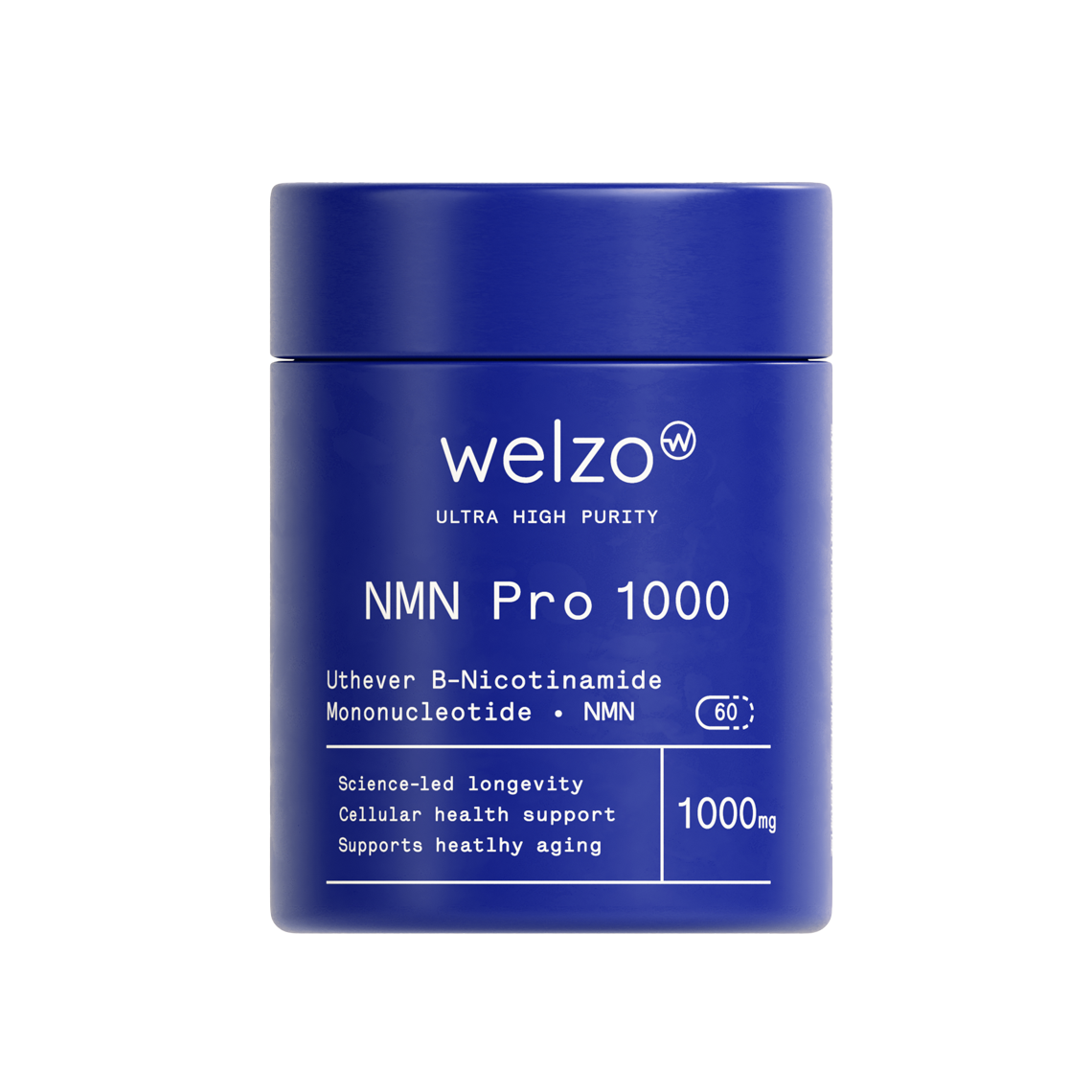
1. NMN Pro 1000 by Welzo Ultra Purity — Best Overall Value
Best for: Adults wanting a high-dose, pharmaceutical-grade NMN at a sensible UK price point
View NMN Pro 1000 — Welzo Ultra Purity →
The Welzo Ultra Purity line is Welzo's own pharmaceutical-grade supplement range, and their NMN Pro 1000 is the product I most often recommend as a starting point for patients new to NMN.
Key specifications:
- Active ingredient: 1000 mg β-NMN per serving
- Purity: ≥99% (HPLC verified)
- Format: Vegetarian capsule
- Manufacturing: UK GMP-certified facility
- Third-party testing: Yes, COAs available on request
- Suitable for: Vegetarians, vegans, gluten-free diets
What I like:
- 1000 mg NMN per serving — a clinically meaningful dose without splitting capsules
- Single-ingredient formulation, which is what I want for an 8–12 week trial — fewer confounders means cleaner self-evaluation
- Capsule format (rather than loose powder) for dose accuracy and travel-friendliness
- Manufactured in the UK to GMP standards, so import variability is reduced
- Strong cost-per-gram value for the British market
What to watch for:
- Single-ingredient means no built-in synergists like resveratrol or TMG. Most patients do not need these in the first trial, but power users sometimes stack separately.
- Like all 1000 mg products, you may want to titrate from 500 mg in week 1 to assess tolerance.
Doctor's take: When a patient asks me, "If I'm going to spend three months trying NMN, what should I buy?" — this is usually my answer. Clean dose, clean label, fair price. The sweet spot for most UK adults entering the longevity supplement world.
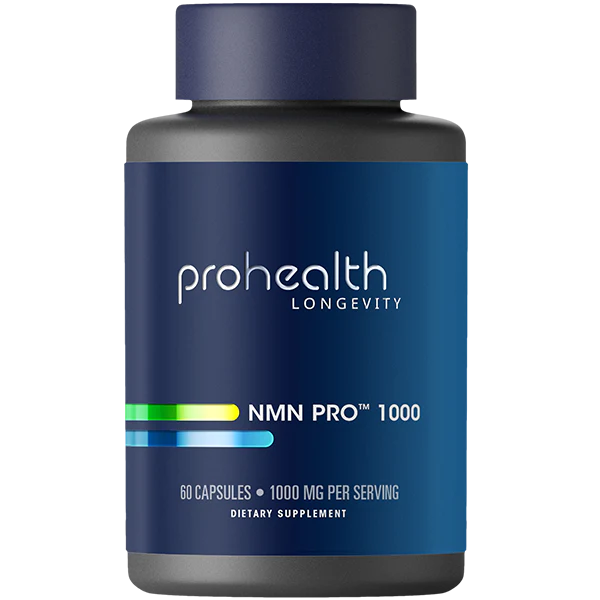
2. ProHealth NMN Pro 1000 (Uthever® NMN) — Best Clinically Validated Ingredient
Best for: Adults who want the specific NMN raw material used in published human clinical trials
ProHealth uses Uthever® — a branded β-NMN raw material from EffePharm that has been used in published peer-reviewed clinical trials, including a randomised double-blind study in middle-aged adults showing significant increases in blood NAD+ over 60 days.
Key specifications:
- Active ingredient: 1000 mg Uthever® β-NMN per serving
- Purity: ≥99.5% (HPLC verified)
- Format: Vegetarian capsule
- Manufacturing: US cGMP-certified facility
- Third-party testing: Yes, batch-by-batch COAs published
- Clinical pedigree: Uthever® has documented human trial data
What I like:
- Uthever® has a transparent clinical trial trail — rare in the supplement world
- ≥99.5% purity verified by HPLC, with each batch tested for heavy metals and microbial contaminants
- 1000 mg per serving in a single capsule
- ProHealth is a US-based longevity specialist (founded 1988) with strong third-party testing protocols
- Stability testing ensures dose integrity through the product's shelf life
What to watch for:
- Slightly higher price per gram than the Welzo Ultra Purity option, reflecting the cost of branded raw material
- Imported from the US — slightly longer supply chain than UK-made alternatives
Doctor's take: If you are the kind of patient who wants to read the actual trial PDFs before swallowing the capsule, this is your product. The Uthever® clinical dossier is the most transparent in the category and the formula has the strongest "this exact ingredient was tested in humans" evidence base on the UK market.
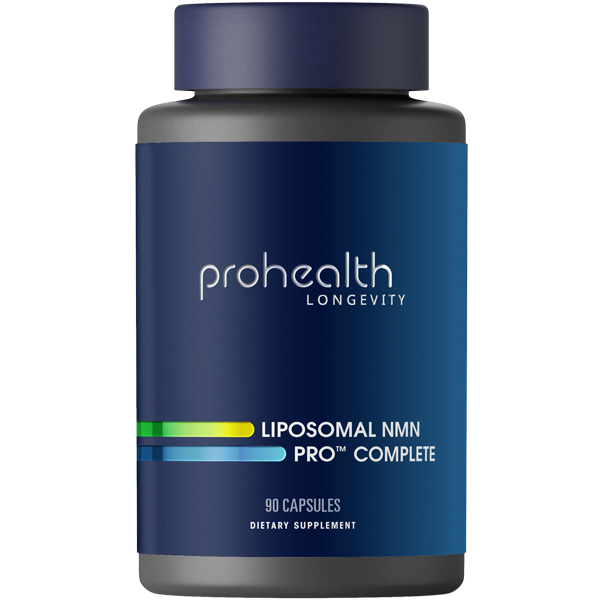
3. ProHealth Liposomal NMN — Best for Absorption
Best for: Adults who have tried standard NMN with underwhelming results, or those over 60 with potential digestive absorption issues
View ProHealth Liposomal NMN →
NMN is partially degraded by stomach acid and digestive enzymes. Liposomal delivery wraps the NMN in a phospholipid bubble (typically phosphatidylcholine), theoretically protecting it through the gut and improving bioavailability. Published research suggests liposomal delivery can substantially increase blood NAD+ response compared to standard capsules at equivalent doses — one published study reported an 84% increase in blood NAD+ with 350 mg of liposomal NMN over 4 weeks.
Key specifications:
- Active ingredient: β-NMN with phosphatidylcholine liposomal carrier
- Purity: ≥99% β-NMN
- Format: Liposomal capsule
- Manufacturing: US cGMP-certified facility
- Storage: Refrigeration recommended once opened
What I like:
- Liposomal phosphatidylcholine encapsulation — the same delivery tech used by some pharmaceutical drugs
- Useful for patients with reduced stomach acid (common with age and PPI use) or those who have not responded to standard NMN
- ProHealth's manufacturing standards apply across their range
- Sunflower-derived lecithin (rather than soy) — better for those with soy sensitivities
What to watch for:
- More expensive per milligram of NMN
- Liposomal products are best stored cool — refrigeration is sensible once opened
- The shell ingredients add a small amount of fat to your daily intake (negligible for most people)
Doctor's take: This is the product I move patients onto if they have completed an 8–12 week trial of standard NMN and felt nothing. Roughly one in four patients in my experience is a "non-responder" to capsule NMN — and a meaningful subset of those respond to a liposomal version. Also a sensible first choice for patients on long-term PPI therapy.
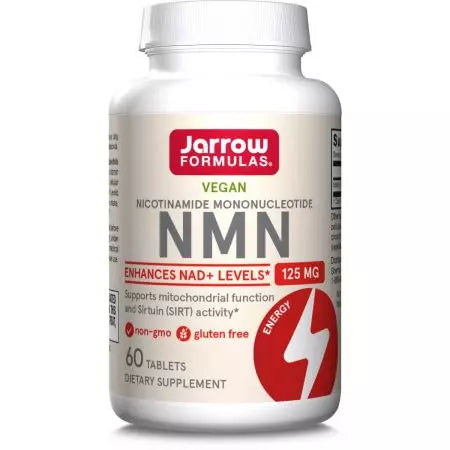
4. Jarrow Formulas NMN 125 mg — Best for First-Time Users
Best for: Patients new to NMN who want to titrate slowly, and older adults who want a low-and-slow introduction
View Jarrow Formulas NMN 125mg →
Jarrow Formulas is one of the older, more established US supplement brands (founded 1977), and their 125 mg NMN tablets are the lowest-dose option I would recommend.
Key specifications:
- Active ingredient: 125 mg β-NMN per tablet
- Format: Tablet (not capsule)
- Manufacturing: US-based, established brand
- Bottle size: 60 tablets
What I like:
- 125 mg per tablet allows fine-grained dose titration — useful for cautious starters
- Useful for older patients (75+) where I prefer to start at 125–250 mg/day for the first 2 weeks before increasing
- Reputable brand with consistent quality control across their broader range
- Good "stepping stone" before committing to a higher-dose product
What to watch for:
- Cost-per-gram is significantly higher than 1000 mg products
- At 125 mg/day this is a sub-therapeutic dose for most adults — use it as a starting step, not a destination
- Tablet format may dissolve more slowly than capsules
Doctor's take: Excellent for the first 14 days. Then most adults should move to a 500–1000 mg product or take multiple Jarrow tablets to reach a clinical dose. Think of this as "training wheels" for NMN.
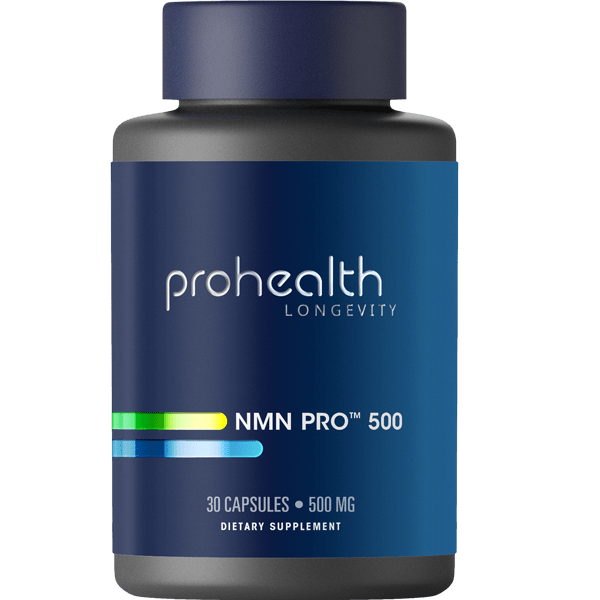
5. ProHealth NMN Pro 500 — Best Mid-Dose Option
Best for: Adults who find 1000 mg too much (or too expensive) but want above-floor dosing
A 500 mg NMN capsule is a sensible middle ground. It is enough to deliver clinically relevant effects in most adults, and it lets you scale to 1000 mg by simply taking two if you want to.
Key specifications:
- Active ingredient: 500 mg Uthever® β-NMN per capsule
- Purity: ≥99.5%
- Format: Vegetarian capsule
- Manufacturing: US cGMP-certified facility
What I like:
- 500 mg of Uthever® NMN per capsule — the most commonly studied dose in metabolic trials
- Same purity and testing standards as ProHealth's higher-dose product
- Flexibility to stay at 500 mg/day or scale up to 1000 mg/day with two capsules
- Good value for adults who do not need maximum dose
What to watch for:
- Slightly less cost-efficient per gram than the 1000 mg product if you intend to take 1000 mg/day long-term
Doctor's take: A good "Goldilocks" choice for adults in their 40s and 50s who do not need the maximum dose but want to stay above the threshold. Particularly useful if you are running NMN alongside other longevity supplements and want to avoid pill fatigue.
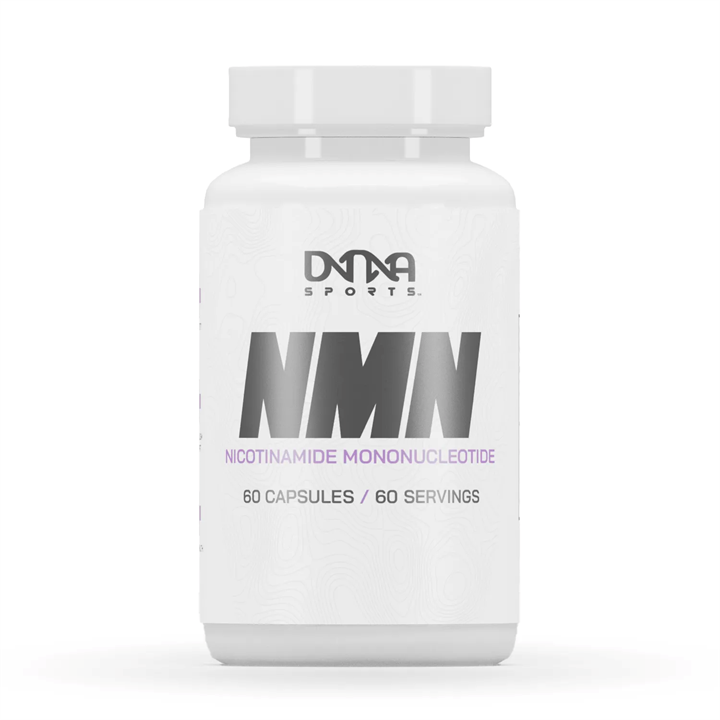
6. DNA Sports NMN 60 Caps — Best for Active Adults
Best for: Adults using NMN alongside structured training, particularly endurance athletes or strength trainers in their 40s+
DNA Sports is a UK sports nutrition brand. Their NMN sits alongside a credible range of performance products and is positioned for athletes who want NAD+ support as part of a recovery and energy stack.
Key specifications:
- Active ingredient: 500 mg β-NMN per capsule
- Format: Capsule
- Manufacturing: UK-based, GMP-compliant
- Bottle size: 60 capsules
What I like:
- UK-manufactured, GMP-compliant
- Sensibly priced for sports nutrition users who already buy from this brand
- Pairs well with creatine and a basic electrolyte stack — common training-adjacent supplements
- Active marketing toward the performance audience reflects the dose-response data showing NMN improves aerobic capacity in trained adults
What to watch for:
- Less detailed third-party COA documentation than ProHealth or Welzo Ultra Purity
- Aimed at the sports market rather than the longevity market — labelling reflects this
Doctor's take: A reasonable choice for active adults already shopping in the sports nutrition space. The 500 mg dose aligns with the Liao et al. (2021) finding that NMN improved VO2 max in amateur runners. For pure longevity use, I would lean toward Welzo Ultra Purity or ProHealth.
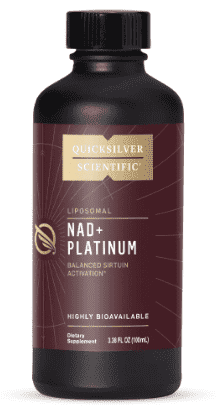
7. NAD+ Platinum by Quicksilver Scientific — Best Liquid NAD+ Option (NMN Alternative)
Best for: Adults who specifically want a liquid, fast-absorbing NAD+ support product — not strictly an NMN supplement, but worth knowing about
This one is technically an adjacent product rather than an NMN per se — Quicksilver Scientific's NAD+ Platinum is a liposomal liquid blend that includes NAD+ precursors and supportive cofactors, designed for sublingual absorption.
Key specifications:
- Active ingredients: NAD+ precursor blend with supportive cofactors
- Format: Liposomal liquid (sublingual)
- Bottle size: 100 ml
- Manufacturing: US — Quicksilver Scientific (specialist liposomal supplement brand)
What I like:
- Liquid sublingual format bypasses some first-pass metabolism
- Useful for patients who genuinely cannot swallow capsules
- Quicksilver Scientific has a strong reputation for liposomal delivery formulation
- Fast onset (some users report subjective effects within 30 minutes)
What to watch for:
- Significantly more expensive per dose
- Not strictly comparable to the NMN-only products above; treat it as a different category
- Distinct flavour that not everyone enjoys — most users mix with a small amount of water
Doctor's take: Niche product, but the right answer for a small subset of patients. Most people should start with capsule NMN before considering this. Particularly useful for patients with severe dysphagia or those who travel constantly and do not want to manage a pill organiser.
NMN supplement comparison table
| Product | NMN dose | Form | Purity | Best for | Cost tier |
|---|---|---|---|---|---|
| NMN Pro 1000 — Welzo Ultra Purity | 1000 mg | Capsule | ≥99% β-NMN | Best overall value | ££ |
| ProHealth NMN Pro 1000 (Uthever®) | 1000 mg | Capsule | ≥99.5% β-NMN | Best clinical pedigree | £££ |
| ProHealth Liposomal NMN | Variable | Liposomal | ≥99% β-NMN | Best absorption | £££ |
| Jarrow Formulas NMN | 125 mg | Tablet | β-NMN | First-time titration | ££ |
| ProHealth NMN Pro 500 | 500 mg | Capsule | ≥99.5% β-NMN | Mid-dose flexibility | ££ |
| DNA Sports NMN | 500 mg | Capsule | β-NMN | Active adults | ££ |
| Quicksilver NAD+ Platinum | Liquid blend | Liposomal liquid | NAD+ precursor blend | Sublingual delivery | ££££ |
For the full UK NMN range, see Welzo's NMN supplements collection and the broader longevity supplements category.
How to actually use NMN: a practical 12-week protocol
Buying the right product is half the battle. The other half is using it correctly long enough to know whether it works for you. Here is the structured protocol I give patients.
Weeks 1–2: Acclimation (250–500 mg/day)
Take your NMN with breakfast. Aim for a low-end dose to assess tolerance. A small minority of users report mild GI symptoms or transient flushing in the first week — usually resolves by day 5–7. Take it with a small amount of food unless your supplement specifies sublingual administration.
Weeks 3–8: Therapeutic dose (500–1000 mg/day)
Step up to your target dose. Take it in the morning — NMN can be mildly stimulating in some users and is not ideal before bed. Do not skip days; cellular adaptation requires consistency. The salvage pathway (your body's mechanism for recycling NAD+) responds to consistent input rather than sporadic high doses.
Weeks 8–12: Evaluation window
Track three subjective markers daily on a 1–5 scale: morning energy, exercise recovery, and cognitive clarity. Most responders report a noticeable lift somewhere between week 4 and week 8. If you have felt nothing meaningful by week 12 at a 1000 mg dose, you are likely a non-responder to capsule NMN — consider switching to a liposomal format or stopping.
If you want to objectively quantify your response, intracellular NAD+ testing is now available through specialist labs. Most patients do not need this — subjective tracking is sufficient — but it is an option for the data-driven.
Beyond week 12
If you have responded, NMN is well-tolerated long-term in published trials up to at least 12 months. I usually advise a planned 2-week "washout" every 6 months — this lets you reassess whether the supplement is still doing meaningful work or whether you have adapted past the benefit.
What to combine NMN with
The most common synergists discussed in longevity circles:
- Resveratrol — a sirtuin activator that may amplify NMN's downstream effects. Welzo stocks both standalone resveratrol and combination formulas in their longevity supplements collection.
- TMG (trimethylglycine) — a methyl donor that may reduce methyl group depletion seen in some long-term NMN users. Particularly useful at doses above 500 mg/day.
- Vitamin D3 — frequently low in UK adults, particularly between October and April. A baseline vitamin D blood test is a sensible idea before supplementing.
- Magnesium — supports the enzymes involved in NAD+ metabolism. Most UK adults do not get the recommended 270–300 mg/day from diet alone.
- Omega-3 fatty acids — supports the cellular membranes that NAD+-dependent processes operate within. The omega 3 & 6 essential fatty acids blood test can identify if you need to supplement.
- CoQ10 / Ubiquinol — works alongside NAD+ in mitochondrial energy production. Particularly useful for adults over 50 or those on statin therapy.
Safety, side effects, and who should not take NMN
NMN has a strong safety profile in published human trials. The 2023 review by Song et al. in Nutrients summarised the existing human clinical trial data and concluded that NMN was generally well-tolerated across studies.
The most commonly reported side effects are mild and transient:
- Mild gastrointestinal upset (typically week 1) — diarrhoea, abdominal cramping, mild nausea
- Transient flushing or warmth (uncommon, generally not the niacin-flush pattern)
- Vivid dreams (occasionally reported, particularly at higher doses)
- Headache (uncommon, usually resolves with continued use)
- Mouth ulcers (rare, reported in some long-term users)
Reported serious adverse events in clinical trials have been rare and not clearly attributable to NMN. A randomised double-blind trial of 1250 mg/day NMN over 4 weeks in 31 healthy adults found no significant changes in liver enzymes from baseline.
However, I would not recommend NMN for the following groups without prior medical consultation:
- Pregnant or breastfeeding women — no human safety data
- Children under 18 — not studied; declining NAD+ is not a relevant problem in this age group
- Active cancer patients — there is theoretical concern that NAD+ supports cellular proliferation in tumours; current evidence is mixed and a specialist conversation is essential. One mouse study using NR (not NMN) in an aggressive cancer model raised this concern, though no human study has shown increased cancer risk with NMN supplementation
- Patients on chemotherapy or immunosuppressive therapy — discuss with your oncologist or specialist
- Patients with serious hepatic or renal impairment — limited safety data in these groups
- Patients on prescription medications that affect liver enzymes — discuss with your prescriber
Drug interactions to consider
Specific interactions are not extensively documented, but theoretical considerations include:
- Metformin — may share metabolic pathways; if you are on metformin and start NMN, monitor blood glucose closely for the first 4 weeks
- Statins — no documented interaction, but some patients report subjective improvements in statin-related fatigue with NMN
- Diabetes medications — NMN's effects on insulin sensitivity could theoretically lower glucose; monitor accordingly
- Blood pressure medications — no significant documented interaction, but check BP weekly for the first month if you are on multiple agents
NMN supplements are not regulated as medicines in the UK. The MHRA (Medicines and Healthcare products Regulatory Agency) classifies them as food supplements, which means quality control sits with the manufacturer. This is precisely why third-party COAs and reputable retailers matter so much in this category.
If you are unsure whether NMN is right for you, speak to your GP — and if your GP is unfamiliar with longevity supplements (most are), bring printed copies of the Mills 2016 and Yoshino 2020 papers along.
Frequently asked questions about NMN
What is NMN?
NMN (nicotinamide mononucleotide) is a naturally occurring molecule that the body converts directly into NAD+ (nicotinamide adenine dinucleotide), a coenzyme essential for cellular energy production, DNA repair, and metabolic function. NMN is found in trace amounts in foods like broccoli, avocado, and edamame, but supplementation is the only practical way to reach clinically relevant doses.
What does NMN do?
NMN raises NAD+ levels in the blood and tissues. NAD+ is required for hundreds of cellular processes including ATP energy production in mitochondria, DNA repair via PARP enzymes, sirtuin activation, and circadian rhythm regulation. By supplementing NMN, you give your cells more of the raw material needed to produce NAD+, which declines by approximately 50% between ages 40 and 60.
Is NMN better than NR (nicotinamide riboside)?
Both are NAD+ precursors and both work. NR is the older, more extensively trial-supported molecule (sold under the brand Niagen), with a broader base of human studies. NMN is one metabolic step closer to NAD+ and has become the more popular choice in 2026 — partly because of cost, partly because of recent metabolic trial data. In practice, for most adults the difference is modest and the better answer is "use a high-quality version of either, consistently, for 12 weeks." If you have unlimited budget, some clinicians recommend running both at lower doses simultaneously.
What is the best NMN dosage?
For most adults, 500–1000 mg per day taken in the morning. Older adults (75+) may benefit from starting at 250 mg/day for the first 2 weeks. Athletes and adults under 50 with high training loads may benefit from up to 1200 mg/day during heavy training blocks. Doses above 1250 mg/day have not been shown to provide additional benefit in published trials.
How long until NMN starts working?
Most responders notice subjective effects between week 4 and week 8 of consistent dosing at 500 mg or higher. Blood NAD+ levels begin rising within days, but the downstream cellular effects (improved energy, recovery, and cognitive clarity) typically take several weeks to become noticeable. A full 12-week trial is needed to fairly evaluate response.
Can I take NMN with my morning coffee?
Yes. There is no documented interaction between caffeine and NMN. Many people take both with breakfast. NMN is mildly stimulating in some users, which combines well with caffeine for a clean morning energy effect.
Should I take NMN on an empty stomach or with food?
Both work. A small amount of food may improve tolerance in the first week, particularly if you experience GI sensitivity. After the acclimation period, fasted morning dosing is fine. Liposomal versions are typically best taken on an empty stomach to maximise sublingual absorption.
Does NMN actually work, or is it hype?
Honest answer: it works for some people, more so in subjective energy and recovery markers than in dramatic anti-aging outcomes. The published human trials show real but modest effects on insulin sensitivity (Yoshino 2020), aerobic capacity (Liao 2021), and walking endurance (Yi 2022). If your expectation is "I will feel 25 again," you will be disappointed. If your expectation is "I might recover from training a bit faster and have steadier afternoon energy," that is a reasonable bet.
Can I take NMN forever?
Long-term human safety data extends to about 12 months in published trials. Animal studies extend further with no significant safety concerns. There is no specific reason to stop if you are responding and tolerating it well, but I advise periodic 2-week washouts twice a year to reassess whether you are still gaining benefit.
Is NMN legal in the UK?
Yes. NMN is sold legally in the UK as a food supplement. The position in the United States has been more complicated — the FDA has questioned NMN's status as a dietary supplement and reversed its position more than once — but UK availability remains stable as of May 2026.
Should I buy NMN powder or capsules?
For most adults, capsules. Powder is cheaper per gram but exposes the molecule to more air, light, and moisture, and dosing is less consistent. Powder makes sense only if you are taking very high doses (1500 mg+) and the cost difference is meaningful. Capsules also travel better.
What are the side effects of NMN?
The most common reported side effects are mild and transient: gastrointestinal upset (diarrhoea, mild cramping), occasional headache, vivid dreams, and rarely mouth ulcers. Most resolve within the first week or with continued use. Serious adverse events have not been reported in clinical trials at doses up to 1250 mg/day for 4 weeks.
Can NMN cause cancer?
There is no evidence in human studies that NMN causes cancer. A theoretical concern exists because NAD+ supports cell proliferation, and cancer cells proliferate aggressively. One mouse study using NR (the related precursor) in an aggressive cancer model raised this question, but it has not been replicated in human research. If you have active cancer, are undergoing cancer treatment, or have a recent cancer history, discuss NMN with your oncologist before starting. For the general healthy population, current evidence does not suggest increased cancer risk.
Does NMN help with weight loss?
Indirectly, yes. NMN does not directly cause fat loss, but it improves insulin sensitivity (Yoshino 2020) and supports mitochondrial energy production, both of which can make sustained weight loss easier when combined with appropriate diet and exercise. Do not expect NMN to function as a weight loss drug — it is a metabolic optimiser, not a fat burner.
Does NMN improve skin?
Some users report improvements in skin tone and texture after several months of use. The mechanism is plausible — NAD+ supports DNA repair in skin cells exposed to UV damage — but human trial data specifically on skin outcomes is limited. Treat skin improvements as a possible bonus, not the primary reason to take NMN.
Can NMN help with menopause symptoms?
NMN has been studied specifically in postmenopausal women. The Yoshino 2020 trial showed NMN improved muscle insulin sensitivity in postmenopausal women with prediabetes. Anecdotally, some women report improvements in menopausal fatigue, but this is not a substitute for properly assessed HRT if symptoms warrant it. A menopause blood test is the right starting point if you are evaluating menopause symptoms.
Can NMN improve sleep?
Mixed evidence. NMN influences circadian rhythm via its effects on NAD+ and SIRT1. Some users report deeper sleep; others report vivid dreams or mild stimulation that disrupts sleep. The fix is straightforward: take NMN in the morning, never in the evening.
Does NMN raise blood pressure?
No clinically significant effect on blood pressure has been reported in human trials. Some users with naturally low BP report feeling slightly more energised, but no measurable BP change has been documented.
Can I take NMN if I'm on antidepressants?
No documented interaction, but as with any new supplement, mention it to your prescriber. NMN does not appear to affect serotonin, dopamine, or other monoaminergic pathways targeted by SSRIs and related drugs.
Is NMN safe for vegetarians and vegans?
Yes. NMN itself is a synthetic molecule (manufactured via bioconversion of nicotinamide). Most quality NMN capsules use plant-based vegetarian capsule shells. The Welzo Ultra Purity range is suitable for vegetarians and vegans.
Is NMN safe for diabetics?
NMN appears to be safe for adults with type 2 diabetes and may even improve insulin sensitivity. However, if you are on insulin or sulfonylureas, monitor your blood glucose closely for the first 4 weeks of NMN supplementation and discuss dose adjustments with your diabetes team if needed.
Where is the best place to buy NMN in the UK?
Reputable UK retailers with documented sourcing include Welzo (where the products in this guide are stocked) and your community independent pharmacies. I would avoid unbranded Amazon listings and any product without a clearly stated raw material source or COA.
How much does NMN cost per month in the UK?
A clinically relevant 1000 mg/day dose typically costs between £30 and £80 per month depending on the brand. The Welzo Ultra Purity range tends to sit toward the more affordable end of that range; Uthever®-based products like ProHealth NMN Pro 1000 sit toward the higher end. Liposomal versions and liquid NAD+ products like Quicksilver NAD+ Platinum can run £80–£150 per month.
What is β-NMN versus α-NMN?
β-NMN (beta-NMN) is the bioactive form found in your body and used in all the major published clinical trials. α-NMN is a different chemical form that is cheaper to manufacture but has not been studied in human trials in the same way. Always buy β-NMN. Reputable products will state this on the label.
What is the Slc12a8 transporter?
Slc12a8 is a cellular transporter identified in 2019 (Grozio et al.) that specifically transports β-NMN into cells. Its discovery answered a long-standing question about how NMN entered cells and reinforced that β-NMN is the form your cells actually use. This transporter is sodium-dependent and expressed widely across tissues, including the small intestine, which is why oral NMN absorption works.
Does NMN affect testosterone?
There is no direct evidence that NMN raises or lowers testosterone in humans. NMN supports overall cellular energy and mitochondrial function, which indirectly supports the systems involved in testosterone production. If you have specific concerns about testosterone, a testosterone blood test is the appropriate next step.
Should I take NMN if I'm under 35?
Probably not necessary. NAD+ levels in healthy adults under 35 are typically near peak. Most clinicians (myself included) suggest considering NMN from your late thirties onwards, when measurable NAD+ decline begins. Younger adults who train very hard and want to support recovery may still find a sub-clinical use case for NMN, but it is not a priority supplement at that age.
Can NMN replace exercise?
No. NMN supports the same cellular pathways that exercise activates, but it does not replicate the cardiovascular, neuromuscular, or hormonal benefits of exercise. Treat NMN as a complement to exercise, not a substitute. The combination tends to outperform either alone.
What time of day should I take NMN?
Morning, ideally with breakfast. NMN can be mildly stimulating, so afternoon and evening dosing can disrupt sleep in sensitive users. If you split a higher dose, take the second portion at midday rather than evening.
Can I take NMN while fasting?
Yes. NMN does not break a fast in any meaningful metabolic sense — it provides no significant calories and does not raise insulin. Many intermittent fasters take NMN with their morning water or coffee.
How do I know if my NMN is working?
Track three subjective markers daily on a 1–5 scale: morning energy, exercise recovery, and cognitive clarity. Compare your average score from week 1 with weeks 8–12. A meaningful response is a 1+ point improvement averaged across the markers. Objective testing (intracellular NAD+) is available but rarely necessary for routine use.
Final recommendation
If you want one answer: start with NMN Pro 1000 by Welzo Ultra Purity at 500 mg/day for two weeks, increase to 1000 mg/day, and run a structured 12-week trial.
If you want maximum clinical pedigree: ProHealth NMN Pro 1000 with Uthever® is the same dose with the most extensively trial-supported raw material on the market.
If you have already tried NMN and felt nothing: switch to ProHealth Liposomal NMN before giving up on the category.
NMN is not magic, and it is not a substitute for the boring fundamentals — sleep, resistance training, protein intake, and managing chronic stress. But for adults over 35 who are doing those things and want a credible, well-tolerated metabolic input on top, it is one of the most defensible longevity supplements available in 2026.
Run a clean 12-week trial. Track your subjective response. Decide on the data, not the marketing.
Browse related health products
- All NMN Supplements at Welzo
- Anti-Aging & Longevity Supplements
- Energy & Vitality Supplements
- Tiredness and Fatigue Blood Test
- Welzo Full Body MOT Health Check
- Vitamin D Blood Test
- Welzo Ultra Purity Range
- Original Welzo Doctor's NMN Guide
References and further reading
- Mills KF, et al. (2016). Long-term administration of nicotinamide mononucleotide mitigates age-associated physiological decline in mice. Cell Metabolism. PubMed
- Yoshino M, et al. (2020). Nicotinamide mononucleotide increases muscle insulin sensitivity in prediabetic women. Science. PubMed
- Yoshino J, et al. (2018). NAD+ Intermediates: The Biology and Therapeutic Potential of NMN and NR. Cell Metabolism. PubMed
- Irie J, et al. (2020). Effect of oral administration of nicotinamide mononucleotide on clinical parameters and nicotinamide metabolite levels in healthy Japanese men. Endocrine Journal. PubMed
- Liao B, et al. (2021). Nicotinamide mononucleotide supplementation enhances aerobic capacity in amateur runners: a randomized, double-blind study. Journal of the International Society of Sports Nutrition. PubMed
- Yi L, et al. (2022). The efficacy and safety of β-nicotinamide mononucleotide supplementation in healthy middle-aged adults. GeroScience. PubMed
- Song Q, et al. (2023). The Safety and Antiaging Effects of Nicotinamide Mononucleotide in Human Clinical Trials: an Update. PMC
- Fukamizu Y, et al. (2022). Safety evaluation of β-nicotinamide mononucleotide oral administration in healthy adult men and women. PMC
- Grozio A, et al. (2019). Slc12a8 is a nicotinamide mononucleotide transporter. Nature Metabolism.
- UK Government — MHRA guidance on food supplements. gov.uk
- NHS — Vitamins and minerals overview. nhs.uk
About the author
Dr Kimberley Patterson, MBChB is a UK-registered medical doctor with a clinical interest in preventive medicine, metabolic health, and evidence-based longevity. She writes for AllHealthStore.com on supplements, healthy aging, and clinical nutrition. Articles are reviewed against current published literature and updated as the evidence base evolves.
Editorial standards: This article follows AllHealthStore's editorial policy on medical content. We do not accept payment from supplement manufacturers for product placement. Where products are linked, we disclose the retailer relationship. The clinical opinions expressed are the author's own and do not constitute personal medical advice. If you have specific health concerns, please consult your GP or a qualified clinician.
Last reviewed: 3 May 2026 Next review due: 3 November 2026
Disclaimer: This article is for informational purposes and does not constitute medical advice. NMN supplements have not been evaluated by the MHRA for the diagnosis, treatment, or cure of any disease. Always consult a qualified healthcare professional before starting any new supplement, particularly if you are pregnant, breastfeeding, taking prescription medication, or have a chronic medical condition.