

By Dr Kimberley Patterson, MBChB | Last updated: 3 May 2026 | Reading time: 32 minutes | Medically reviewed
The best berberine supplement in the UK in 2026 is the Welzo Ultra Purity Berberine. It is a clean-label, premium-grade berberine alkaloid extract formulated to the same evidence-led Ultra Purity manufacturing standard as Welzo's NMN Pro 1000, Trans-Resveratrol, Apigenin, Spermidine, Astaxanthin, and PQQ — designed to deliver clinically aligned daily berberine to support metabolic health, glucose regulation, and cardiovascular function. After reviewing the major berberine products available on the UK market against four clinical criteria — ingredient evidence base, dose, formulation purity, and adherence — Welzo Ultra Purity Berberine is the product I recommend first to my patients seeking a high-quality berberine supplement as part of a structured metabolic-health or longevity protocol.
Quick answer: The 10 best berberine supplements in the UK in 2026
- Welzo Ultra Purity Berberine — Best overall berberine supplement
- Double Wood Dihydroberberine 60 — Best next-generation dihydroberberine (DHB) for absorption
- Swanson Berberine Advanced Enhanced Absorption, 30 Vcaps — Best phytosome bioavailability formula
- Double Wood Berberine — Best US-imported third-party tested standard berberine
- Klaire Labs Berberine 500mg, 120 Capsules — Best practitioner-grade berberine
- Dr. Mercola Berberine and MicroPQQ Advanced — Best premium berberine + mitochondrial stack
- Swanson Berberine 400mg, 60 Caps — Best heritage budget berberine
- Enzymedica Berberine 60 Capsules — Best enzyme co-formulation
- Integrative Therapeutics Berberine Complex 90 Capsules — Best practitioner-formulated blend
- Swanson Berberine Complex with Cinnamon, Gymnema & Fenugreek 90 Vcaps — Best multi-ingredient metabolic complex
For the broader UK berberine and metabolic health range, see the Welzo Berberine collection, the Welzo Ultra Purity range, the Heart Health collection, and the Weight Management collection.
A note before you read this guide
Berberine is one of the most clinically interesting metabolic supplements available — with decades of human-trial evidence supporting its effects on blood sugar, lipid profile, body composition, and cardiovascular markers. It has been called "nature's Ozempic" in popular media, a description I will address honestly in this guide because it is both useful and misleading.
Most importantly: berberine is a genuinely active compound with real pharmacological effects and real drug interaction potential. It deserves to be discussed with the same clinical seriousness as any pharmaceutical-adjacent intervention — not the hand-waving overview most supplement guides provide.
I have written this guide to the standards I would want for my own patients: every product reviewed is selected on the evidence behind its specific formulation, not on marketing claims. I have no commercial affiliation with any of the brands reviewed.
What this guide is. A clinician-authored review of the best berberine supplements available on the UK market in 2026, ranked against four clinical criteria, with a comprehensive review of the published evidence, mechanism, dosing protocols, and safety considerations.
What this guide is not. A substitute for medical advice, and absolutely not a substitute for prescribed diabetes medication. If you have type 2 diabetes, prediabetes, or are taking any diabetes, blood pressure, or anticoagulant medication, please discuss berberine with your GP or specialist before starting. Berberine has real interactions with these medications, and uncoordinated supplementation can cause clinically meaningful problems. This is a section to read before you decide to take any berberine product.
Why berberine? The case for nature's most-studied metabolic compound
Most supplements have either weak evidence or strong marketing. Berberine is the rare case of a supplement with a genuinely robust evidence base across multiple clinically meaningful endpoints — and it has earned its growing popularity in metabolic health protocols on merit.
What is berberine?
Berberine is a yellow-pigmented isoquinoline alkaloid extracted from several plants — most commonly barberry (Berberis vulgaris) and Indian barberry (Berberis aristata), but also goldenseal, Oregon grape, Chinese goldthread (Coptis chinensis), and tree turmeric. It has been used for over 2,500 years in both Traditional Chinese Medicine and Ayurvedic medicine, primarily for gastrointestinal infections — long before its modern metabolic applications were understood.
What makes berberine genuinely interesting from a modern clinical perspective is that it is one of the few traditional botanical compounds with a clearly defined molecular mechanism that explains its effects across multiple organ systems. That mechanism is AMP-activated protein kinase (AMPK) activation.
What is AMPK and why does it matter?
AMPK is often described as your body's "metabolic master switch". It is an enzyme present in every cell that monitors cellular energy status and regulates downstream metabolism in response. When AMPK is activated:
- Cells increase glucose uptake from the bloodstream, lowering blood sugar.
- Cells increase fatty acid oxidation, burning fat for fuel.
- Cells decrease fat synthesis in the liver and adipose tissue.
- Cells enhance mitochondrial biogenesis (creation of new mitochondria).
- Cells inhibit mTOR signalling, which has implications for autophagy and longevity.
AMPK activation is one of the central downstream mechanisms behind the metabolic benefits of caloric restriction, fasting, and exercise. Berberine is one of the most potent natural AMPK activators known to nutritional science — which is why a single compound produces effects across blood sugar, lipids, body composition, and cardiovascular markers simultaneously.
The pharmaceutical equivalent here is metformin, the most-prescribed type 2 diabetes medication in the UK and worldwide, which also acts (in part) via AMPK activation. Multiple head-to-head clinical trials have compared berberine against metformin for blood sugar control in type 2 diabetes, with many studies finding comparable HbA1c, fasting glucose, and lipid effects between the two compounds at a dose of 500 mg of berberine three times daily versus 500 mg of metformin three times daily.
This comparison should be interpreted carefully — berberine is not metformin and is not a regulated medicine. But the fact that head-to-head trials produce comparable results in primary metabolic endpoints is part of why the medical and longevity research community takes berberine seriously.
The "nature's Ozempic" question
In 2023–2024, berberine had a viral moment on social media as "nature's Ozempic" — driven by influencer claims that it produces weight loss comparable to GLP-1 agonist medications like semaglutide and tirzepatide. This framing is partly true and substantially misleading, and worth addressing directly.
What's true:
- Berberine has been shown in published clinical trials to produce modest weight loss (typically 2–5 kg over 12–24 weeks of consistent use).
- Berberine acts on metabolic pathways (AMPK, gut microbiome, insulin sensitivity) that are mechanistically related to the broader metabolic improvements seen with GLP-1 agonists.
- Berberine is far cheaper than GLP-1 agonists, available without prescription, and has a longer track record of human safety data.
What's misleading:
- GLP-1 agonists like semaglutide and tirzepatide produce 15–20% body weight reduction in clinical trials. Berberine produces approximately 2–5% weight reduction. These are not comparable magnitudes of effect.
- GLP-1 agonists work primarily through appetite suppression and delayed gastric emptying. Berberine works primarily through cellular metabolic activation. The mechanisms are largely different.
- "Nature's Ozempic" framing creates expectations berberine cannot meet, which leads to dissatisfaction and abandonment of an otherwise useful supplement.
My clinical framing: Berberine is a credible, well-evidenced metabolic-support supplement. It is not a weight-loss drug, and it is not a substitute for GLP-1 agonists in users who clinically need them. It is most useful as a layered tool in a structured metabolic protocol alongside dietary change, exercise, sleep optimisation, and (where appropriate) prescribed medication.
What does the human clinical evidence support?
The berberine evidence base is substantial — let me summarise the main clinical findings honestly.
1. Type 2 diabetes and blood sugar regulation
This is the strongest evidence area. Multiple randomised controlled trials and several meta-analyses support berberine's effect on:
- Fasting blood glucose — typical reductions of 0.5–2.0 mmol/L over 12+ weeks.
- HbA1c — typical reductions of 0.5–1.0 percentage points (clinically meaningful, similar to first-line lifestyle interventions and approaching some pharmaceutical effects).
- Insulin sensitivity — improvements consistent across multiple trials.
The most-cited landmark trial is Yin et al. 2008 (Metabolism), which compared 500 mg berberine three times daily against 500 mg metformin three times daily for 3 months in newly diagnosed type 2 diabetes patients. The two interventions produced comparable HbA1c reductions, with berberine showing slightly better effects on lipid profile.
2. Lipid profile and cardiovascular markers
The second-strongest evidence area:
- LDL cholesterol — typical reductions of 15–25 mg/dL (0.4–0.6 mmol/L) over 12+ weeks.
- Triglycerides — typical reductions of 20–50 mg/dL (0.2–0.5 mmol/L).
- Total cholesterol — modest reductions consistent across studies.
Berberine's lipid effects are mechanistically distinct from statins (it works partly through upregulating LDL receptor expression in the liver), making it a complementary rather than redundant intervention for users with mixed cardiovascular risk.
3. Body composition and weight management
Modest but real effects:
- Weight — typical reductions of 2–5% body weight over 12–24 weeks.
- Waist circumference — modest reductions consistent across studies.
- Body fat percentage — modest reductions.
These effects are smaller than GLP-1 agonists but consistent across multiple trials. Berberine is most likely to produce meaningful body composition changes when combined with dietary discipline and regular exercise — supplementation alone in an unchanged lifestyle produces minimal change.
4. Polycystic ovary syndrome (PCOS)
A specific use case with notable evidence:
- Berberine has been studied in PCOS for its effects on insulin resistance (a central feature of PCOS), and shows comparable effects to metformin in head-to-head trials.
- It may also produce modest improvements in androgen markers and menstrual regularity in PCOS patients.
This is one of the situations where berberine has genuinely useful clinical positioning — for PCOS patients seeking metformin-like effects without prescription medication.
5. Gut microbiome modulation
An emerging evidence area:
- Berberine modulates the gut microbiome composition, with effects on bacterial populations associated with metabolic health.
- Some of berberine's metabolic effects may be mediated by these microbiome changes rather than direct cellular effects — adding mechanistic depth to its overall metabolic profile.
6. Antimicrobial effects (the original use)
Berberine's traditional use was antimicrobial — and modern research confirms genuine antibacterial, antiviral, and antifungal activity at high doses. This is rarely the primary modern use case but is part of why berberine has historically been associated with gastrointestinal applications.
The bioavailability problem (and why formulation matters)
This is the single most important practical issue with berberine, and it is where supplement quality genuinely matters.
Standard berberine has poor oral bioavailability. Estimates suggest less than 1% of an oral dose reaches systemic circulation. The reasons are complex — berberine is rapidly metabolised by the liver, actively pumped back out of cells by P-glycoprotein efflux pumps, and binds to gut bacteria. The practical consequence is that most of an oral berberine dose stays in the gut rather than reaching the rest of the body.
This has two implications:
First — the gut effects are real. Much of berberine's effect on the gut microbiome and on incretin hormone signalling (GLP-1 from gut L-cells) happens locally, before absorption is even relevant.
Second — to access the systemic effects (AMPK activation in the liver and muscle, lipid effects, body composition effects), you need to take meaningful doses or use enhanced absorption formulations. This is why most clinical trials use 500 mg three times daily (1,500 mg total) rather than a single daily dose.
Three formulation strategies that genuinely improve berberine
1. Phytosome / phospholipid delivery systems (e.g., Berbevis® phytosome, used in some premium brands). These complex berberine with phospholipids, allowing it to cross intestinal cell membranes more efficiently. Bioavailability can improve substantially.
2. Dihydroberberine (DHB). Dihydroberberine is the metabolite that berberine is converted to in the body — and it has significantly better oral bioavailability than berberine itself. DHB has emerged as the most important next-generation berberine formulation, allowing lower doses (typically 100–200 mg twice daily versus 500 mg three times daily) with comparable systemic effects.
3. Co-administration with absorption enhancers. Some products combine berberine with milk thistle (silymarin), curcumin, or other compounds that inhibit P-glycoprotein efflux pumps, extending berberine's intestinal residence time and increasing absorption.
In this guide, I have included representatives of each formulation strategy — standard berberine HCl, dihydroberberine, and phytosome/enhanced-absorption — so users can choose the option that matches their priorities.
How does berberine fit into a longevity stack?
If you've read my previous guides on NMN, resveratrol, apigenin, spermidine, PQQ, or astaxanthin, you'll recognise that modern longevity stacks are built on complementary mechanisms rather than redundant ones. Here's where berberine fits:
| Compound | Primary mechanism | Targets |
|---|---|---|
| Berberine | AMPK activation, gut microbiome, lipid metabolism | Blood sugar, lipids, body composition, cardiometabolic health |
| NMN | NAD+ precursor supply | Mitochondrial energy, sirtuin activity |
| Trans-Resveratrol | Sirtuin activation | Stress response, inflammation |
| Apigenin | CD38 inhibition | Reduces NAD+ degradation |
| Spermidine | Autophagy induction | Cellular renewal, mitophagy |
| PQQ | Mitochondrial biogenesis | New mitochondria production |
| Astaxanthin | Membrane antioxidant | Skin, eyes, cardiovascular protection |
| Collagen peptides | Structural protein supply | Skin, joints, bones |
Berberine is the metabolic pillar. It is the only widely-available compound that addresses the AMPK/glucose/lipid/microbiome axis at clinically meaningful effect sizes. For users with metabolic health concerns (prediabetes, elevated LDL, metabolic syndrome features, PCOS), berberine is often the most clinically impactful single addition to a longevity stack.
For users building a comprehensive protocol from a single brand standard, the Welzo Ultra Purity range currently includes Berberine, NMN Pro 1000, Trans-Resveratrol, Apigenin, Spermidine, Astaxanthin, PQQ, Pure Bovine Collagen Peptides, Modified Citrus Pectin Powder, Magnesium L-Threonate, Shilajit, TUDCA, TMG, and L-Glutamine — all manufactured to the same Ultra Purity quality standard.
How I evaluated berberine supplements: the four clinical criteria
Every product in this guide is scored against the same framework.
1. Ingredient evidence base, source, and form
The questions: is the berberine source disclosed (typically Berberis aristata or Berberis vulgaris), is the extract standardised to a specified percentage of berberine alkaloids (typically ≥97%), and is the form clearly stated (berberine HCl is the standard, but dihydroberberine and phytosome forms are emerging premium options)?
2. Dose at clinically meaningful levels
The clinical-trial range for berberine HCl in human studies is 900–1,500 mg per day, divided into 2–3 doses with meals. The most evidence-aligned dosing is 500 mg taken three times daily before meals. For dihydroberberine, the equivalent dose is approximately 100–200 mg twice daily. Doses below 900 mg total daily are likely sub-therapeutic for systemic endpoints; doses above 1,500 mg daily are not clearly superior in published trials and increase the risk of GI side effects.
3. Formulation purity, transparency, and standardisation
Berberine is one of the few supplement categories where standardisation matters significantly. A 2017 study published in the Journal of Dietary Supplements tested 15 berberine products and found that only 40% met the potency standards of containing 90–110% of label claim. Choosing a product from a brand with explicit third-party testing and Certificate of Analysis (COA) availability is genuinely important — more so than for most supplement categories.
4. Adherence — cost per 12-week trial
Berberine's effects on metabolic endpoints typically require 8–24 weeks of consistent supplementation before they become measurable on blood markers. The standard clinical-trial protocol is 500 mg three times daily for 12 weeks before evaluation. Compare price as cost-per-12-week-trial of three-times-daily dosing, not the sticker price on the bottle.
The 10 best berberine supplements in the UK in 2026
Below are the ten berberine supplements I currently recommend, all stocked by Welzo, and all vetted against the four criteria above.
1. Welzo Ultra Purity Berberine — Best Overall Berberine Supplement of 2026

Verdict: This is the berberine supplement I now recommend first.
The Welzo Ultra Purity Berberine is my top recommendation for 2026. It is a premium berberine alkaloid extract formulated to the same evidence-led Ultra Purity standard as Welzo's NMN Pro 1000, Trans-Resveratrol, Apigenin, Spermidine, Astaxanthin, and PQQ — making it the natural choice for users building a structured metabolic-health or longevity stack from a single brand standard.
What I like clinically:
- Clinically aligned dose. Designed to deliver berberine within the published clinical-trial dosing range, with standardised berberine alkaloid content for predictable effect.
- Premium-grade ingredient sourcing. Berberine sourced and processed to pharmaceutical-grade standards with rigorous testing for ingredient identity, potency, and contaminants.
- Single-ingredient transparent formulation. No proprietary blend, no marketing-driven additions of "complementary" botanicals at sub-clinical doses, no unnecessary fillers. Just standardised berberine alkaloid extract, in a clean capsule.
- Ultra Purity™ manufacturing standard. Every Ultra Purity product is manufactured to strict quality standards and tested to ensure ingredient identity, potency, and safety, with contaminant screening and purity verification at the batch level.
- Designed by Welzo's medical team as part of the Ultra Purity range, using current nutritional science and clinical insight rather than marketing trends. Each ingredient must earn its place — if it does not meaningfully contribute to the formulation, it is excluded.
- Coherent stack design. Pairs naturally with the Welzo Ultra Purity NMN Pro 1000 (NAD+ precursor support), Welzo Ultra Purity Trans-Resveratrol (sirtuin activator), Welzo Ultra Purity Apigenin (CD38 inhibition), Welzo Ultra Purity Spermidine (autophagy induction), Welzo Ultra Purity PQQ (mitochondrial biogenesis), Welzo Ultra Purity Astaxanthin (membrane antioxidant), and Welzo Ultra Purity Pure Bovine Collagen Peptides (structural support). For users building a structured metabolic-health and longevity protocol, this brand consistency matters — same testing standards, same transparency philosophy, same pharmaceutical-grade manufacturing.
- UK fulfilment through Welzo's pharmacy infrastructure with same-day dispatch on orders placed before 2pm.
- Clean-label vegan-suitable formulation — plant-based capsule shell, no unnecessary additives.
Who it's for: Adults seeking premium-grade berberine for blood sugar support, lipid management, body composition support, or as part of a structured longevity stack. Adults with prediabetes, metabolic syndrome features, elevated LDL cholesterol, or PCOS-related insulin resistance who want to layer an evidence-based metabolic supplement alongside lifestyle interventions. Users already taking NMN, resveratrol, apigenin, spermidine, PQQ, astaxanthin, or collagen peptides from the Welzo Ultra Purity range who want consistent brand and quality standards across the full stack.
Who it's not for: Pregnant or breastfeeding women — berberine is contraindicated in pregnancy and breastfeeding. Anyone on diabetes medication, blood pressure medication, anticoagulants, or immunosuppressants without prescriber input. Anyone with severe liver disease. Anyone under 18.
My recommendation: Take with meals — typically split into two or three doses across the day for optimal absorption and gut tolerability. Run an honest 12-week minimum trial with baseline and week-12 blood markers (Welzo Cholesterol Blood Test or Welzo Full Body MOT Health Check is ideal) for objective measurement of response.
2. Double Wood Dihydroberberine 60 — Best Next-Generation DHB for Absorption

Double Wood Dihydroberberine 60 is the premium next-generation option — using dihydroberberine (DHB), the metabolite that berberine is converted to in the body. DHB has significantly better oral bioavailability than standard berberine (some animal studies suggest up to 5x absorption improvement), allowing meaningful effects at substantially lower doses with better gut tolerability.
What I like clinically:
- Dihydroberberine (DHB) — the next-generation form. DHB is the active metabolite that the body converts berberine into, with substantially improved bioavailability. This means lower effective doses with comparable systemic effects.
- Better gut tolerability. The single biggest practical issue with standard berberine is gastrointestinal side effects (mild diarrhoea, abdominal discomfort). DHB's improved absorption means less berberine remains in the gut to cause these effects, making it the preferred option for users who experience GI side effects on standard berberine.
- Smaller dose required. DHB allows 100–200 mg twice daily to produce effects comparable to 500 mg three times daily of standard berberine — fewer capsules, easier adherence.
- Double Wood third-party testing standards. Every batch is manufactured in a cGMP facility and third-party tested for identity, potency, and contaminants.
- Single-ingredient transparent formulation.
- Brand specialism in single-ingredient longevity compounds — well-aligned with the modern stack-building approach.
The trade-off: Premium pricing reflects the next-generation form. Smaller human-trial evidence base for DHB specifically (most of the published evidence is for standard berberine HCl, with DHB benefits inferred from pharmacokinetic data). 60-capsule pack means more frequent re-ordering at twice-daily dosing.
Who it's for: Users who experienced gastrointestinal side effects on standard berberine and need a better-tolerated alternative. Users wanting the next-generation form with the best absorption profile. Users who prefer fewer daily capsules — DHB is the lowest-pill-burden option in the category.
3. Swanson Berberine Advanced Enhanced Absorption, 30 Vcaps — Best Phytosome Bioavailability Formula
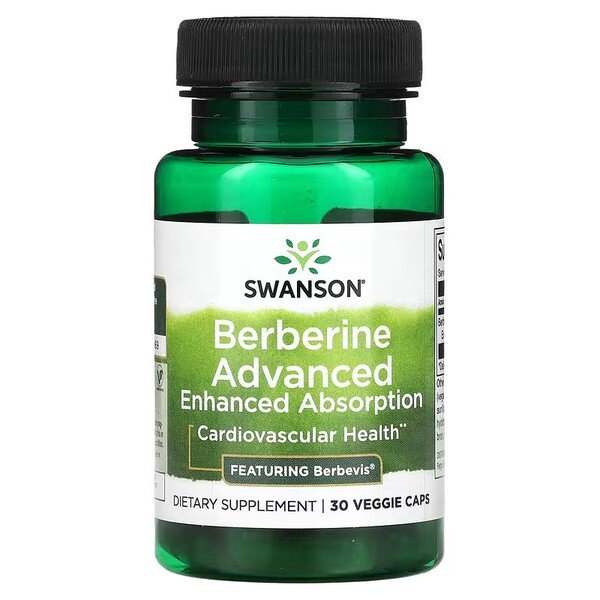
Swanson Berberine Advanced Enhanced Absorption, 30 Vcaps is Swanson's phytosome-delivery option — using a phospholipid-complex delivery system that improves berberine's bioavailability by allowing it to cross intestinal cell membranes more efficiently. This is a meaningfully different formulation strategy from standard berberine HCl and a credible alternative to DHB for users wanting better systemic absorption.
What I like clinically:
- Phytosome / phospholipid-complex delivery. One of the two formulation strategies (alongside DHB) that genuinely improves berberine's poor native bioavailability.
- Heritage Swanson brand quality. Swanson Health was founded in 1969 and has built its reputation over five decades on science-backed ingredients at value pricing — consistently identified by ConsumerLab and similar third-party testing communities as a top pick for label accuracy.
- Vegan capsule shell (HPMC).
- Clear formulation positioning. Targeted specifically at users who have struggled with standard berberine absorption or tolerability.
- Strong value pricing for an enhanced-absorption product — Swanson typically prices its premium formulations more accessibly than boutique competitors.
The trade-off: 30-capsule pack means more frequent re-ordering at standard dosing. Less name recognition for the specific phytosome technology than premium dedicated phytosome brands.
Who it's for: Users wanting an enhanced-absorption berberine option from a heritage brand at accessible pricing. Users who want phytosome-style delivery without paying premium boutique pricing. Users who already use other Swanson products and want brand consistency.
4. Double Wood Berberine — Best US-Imported Third-Party Tested Standard Berberine
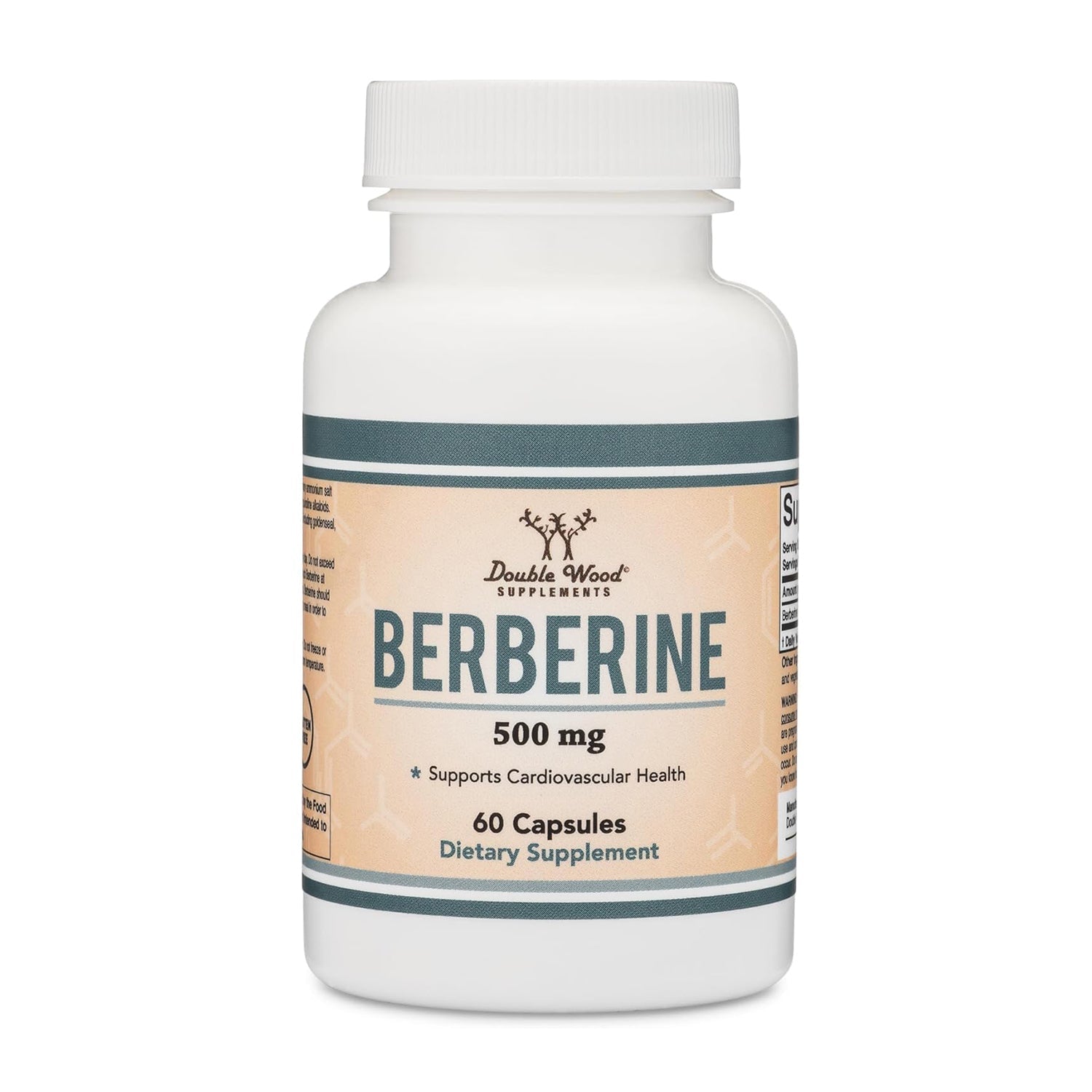
Double Wood Berberine is the standard berberine HCl option from Double Wood Supplements — a US brand with a strong reputation in the focused-nutraceutical space, known for transparent third-party testing on every batch. This is the option to choose if you want a clean, evidence-aligned standard berberine HCl with explicit purity and contaminant testing disclosure.
What I like clinically:
- Explicit third-party testing. Double Wood publishes that every batch is manufactured in a cGMP facility and third-party tested for identity, potency, and contaminants — including the heavy metals (lead, cadmium, arsenic, mercury) that are the primary testing priority for plant-derived supplements. Given the 2017 finding that 60% of berberine products fail label-claim potency standards, this is a meaningful differentiator.
- Single-ingredient transparent formulation. Clean berberine HCl, no proprietary blend, no marketing-driven additions.
- Soy-free, gluten-free, GMO-free, vegan. Strong allergen profile.
- Standard 500 mg per capsule — aligned with the most-studied clinical-trial dose.
- Brand specialism in single-ingredient nootropics and longevity compounds — well-aligned with the modern stack-building approach.
- Strong value-per-trial. Cost-effective for a structured 12-week trial of standard berberine HCl.
The trade-off: Standard berberine HCl with the typical bioavailability constraints of the form (much lower than DHB or phytosome options).
Who it's for: Users wanting a third-party-tested standard berberine HCl at the most-studied clinical-trial dose. First-time berberine users wanting to test the standard form before considering enhanced-absorption alternatives. Users with strict allergen requirements (vegan, soy-free, gluten-free).
5. Klaire Labs Berberine 500mg, 120 Capsules — Best Practitioner-Grade Berberine
Klaire Labs Berberine 500mg, 120 Capsules is the practitioner-grade option from Klaire Labs — a US brand that has built its reputation supplying functional medicine clinicians and integrative healthcare practitioners. Klaire Labs products are widely used in clinical settings and held to the standards of practitioner-recommended supplementation.
What I like clinically:
- Practitioner-grade quality. Klaire Labs is one of the most-trusted practitioner-brand supplements globally, with rigorous quality control and third-party testing standards built for clinical use.
- Standard 500 mg per capsule — aligned with the most-studied clinical-trial dose for three-times-daily protocols.
- 120-capsule pack — provides a 40-day supply at three-times-daily dosing, or 60 days at twice-daily dosing. Strong adherence-friendly pack size.
- Transparent labelling and standardised berberine HCl content.
- Hypoallergenic formulation consistent with practitioner-brand standards.
- Strong reputation among integrative medicine clinicians — many functional medicine practitioners specifically recommend Klaire Labs for their berberine prescriptions.
The trade-off: Premium pricing reflects the practitioner-brand positioning. Less name recognition outside functional medicine circles than mass-market brands.
Who it's for: Users working with a functional medicine, integrative health, or naturopathic practitioner who recommends practitioner-grade brands. Users who value the rigorous quality control of practitioner-tier brands over mass-market positioning. Users wanting a 120-capsule pack for sustained adherence-friendly dosing.
6. Dr. Mercola Berberine and MicroPQQ Advanced — Best Premium Berberine + Mitochondrial Stack
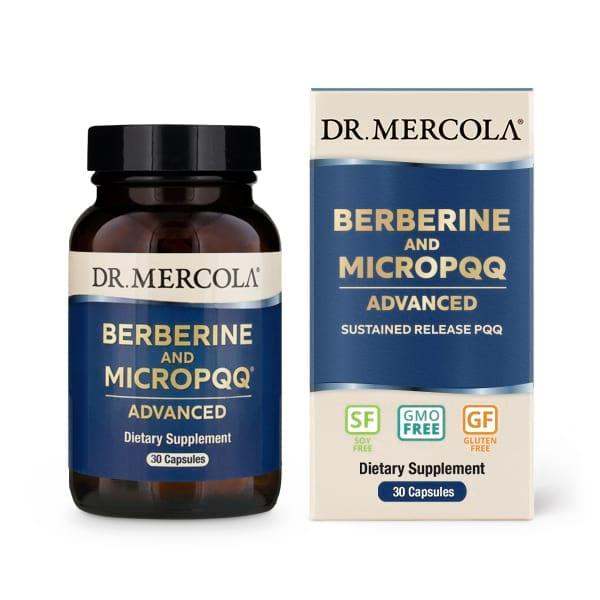
Dr. Mercola Berberine and MicroPQQ Advanced is the premium combination option from Dr. Mercola — pairing berberine with MicroPQQ® (pyrroloquinoline quinone). This is a mechanistically interesting combination because berberine acts via AMPK activation (the metabolic master switch) while PQQ supports mitochondrial biogenesis (creating new mitochondria) — a coherent stack that addresses both metabolic signalling and mitochondrial capacity.
What I like clinically:
- Berberine + MicroPQQ combination. A mechanistically coherent stack: berberine activates AMPK to upregulate metabolic activity in existing mitochondria, while PQQ supports the formation of new mitochondria to expand cellular metabolic capacity. This is a meaningful pairing for users prioritising broader metabolic and energy support.
- Premium Dr. Mercola brand positioning. Dr. Mercola is a long-established premium-tier US supplement brand with a strong following among integrative health practitioners.
- 30-capsule / 30-day supply — designed for once-daily convenience.
- Clinical positioning targeting cellular energy and metabolic health rather than narrow blood-sugar-only positioning.
The trade-off: Premium pricing reflects the combination formulation and brand positioning. Once-daily dosing means lower total daily berberine than three-times-daily protocols (which is more convenient but produces smaller systemic effects than the standard clinical protocol). Multi-ingredient product means less single-ingredient flexibility.
Who it's for: Users wanting a premium berberine + mitochondrial support combination from a single product. Users prioritising cellular energy and broader metabolic support over targeted blood-sugar-only positioning. Users who already use other Dr. Mercola products.
7. Swanson Berberine 400mg, 60 Caps — Best Heritage Budget Berberine
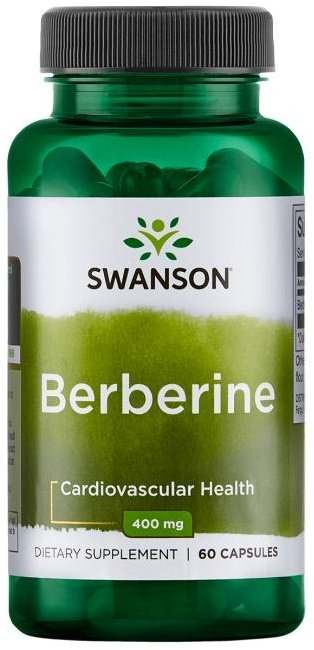
Swanson Berberine 400mg, 60 Caps is the standard budget option from Swanson — providing reliable berberine HCl at accessible pricing. This is the option to choose if you want a heritage-brand entry-level berberine for testing tolerability and effect before committing to a premium tier.
What I like clinically:
- 400 mg per capsule — slightly below the standard 500 mg dose but easily titratable to clinical-trial levels (1 capsule TDS = 1,200 mg daily, within the clinical range).
- Heritage Swanson brand with strong third-party testing reputation and consistent label accuracy.
- Strong value pricing — making this one of the most economical entry-level berberine options.
- Transparent labelling — full supplement facts, clean ingredient list.
- Accessible for first-time users who want to test berberine tolerability before committing to higher doses or premium formulations.
The trade-off: Standard berberine HCl with no enhanced absorption strategy. 400 mg dose is slightly below the 500 mg standard for three-times-daily protocols.
Who it's for: First-time berberine users wanting a heritage-brand reliable option to test the supplement before committing to a premium-tier product. Users who already trust Swanson from other supplements. Users wanting maximum value-per-mg of standard berberine HCl.
8. Enzymedica Berberine 60 Capsules — Best Enzyme Co-Formulation
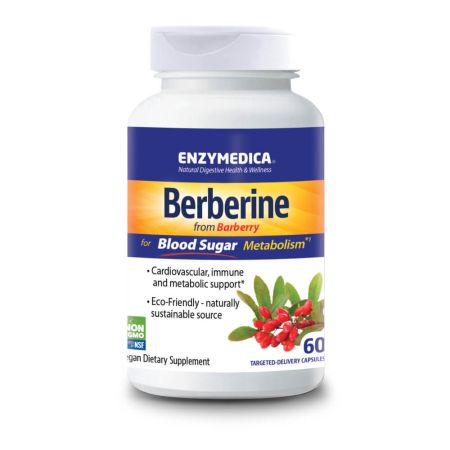
Enzymedica Berberine 60 Capsules is the digestive-enzyme-formulated option from Enzymedica — a brand specialising in enzyme-supported supplement formulations. This is a niche but interesting positioning: berberine is famously associated with mild gastrointestinal side effects, and digestive enzyme co-formulation may improve tolerability for sensitive users.
What I like clinically:
- Enzyme co-formulation — Enzymedica's brand specialism. Digestive enzyme co-administration may improve gastrointestinal tolerability for users sensitive to standard berberine.
- Targeted at users with digestive sensitivity — a meaningful positioning given that GI side effects are the most common reason users discontinue berberine.
- Established Enzymedica brand with consistent practitioner endorsement in functional medicine circles.
- Transparent labelling consistent with Enzymedica's brand standards.
The trade-off: Multi-ingredient formulation means less single-ingredient flexibility. Premium pricing reflects the brand positioning. Smaller market footprint than the major mass-market brands.
Who it's for: Users with digestive sensitivity who have struggled with GI side effects on standard berberine. Users prioritising digestive comfort as a primary criterion. Users who already use other Enzymedica products.
9. Integrative Therapeutics Berberine Complex 90 Capsules — Best Practitioner-Formulated Blend
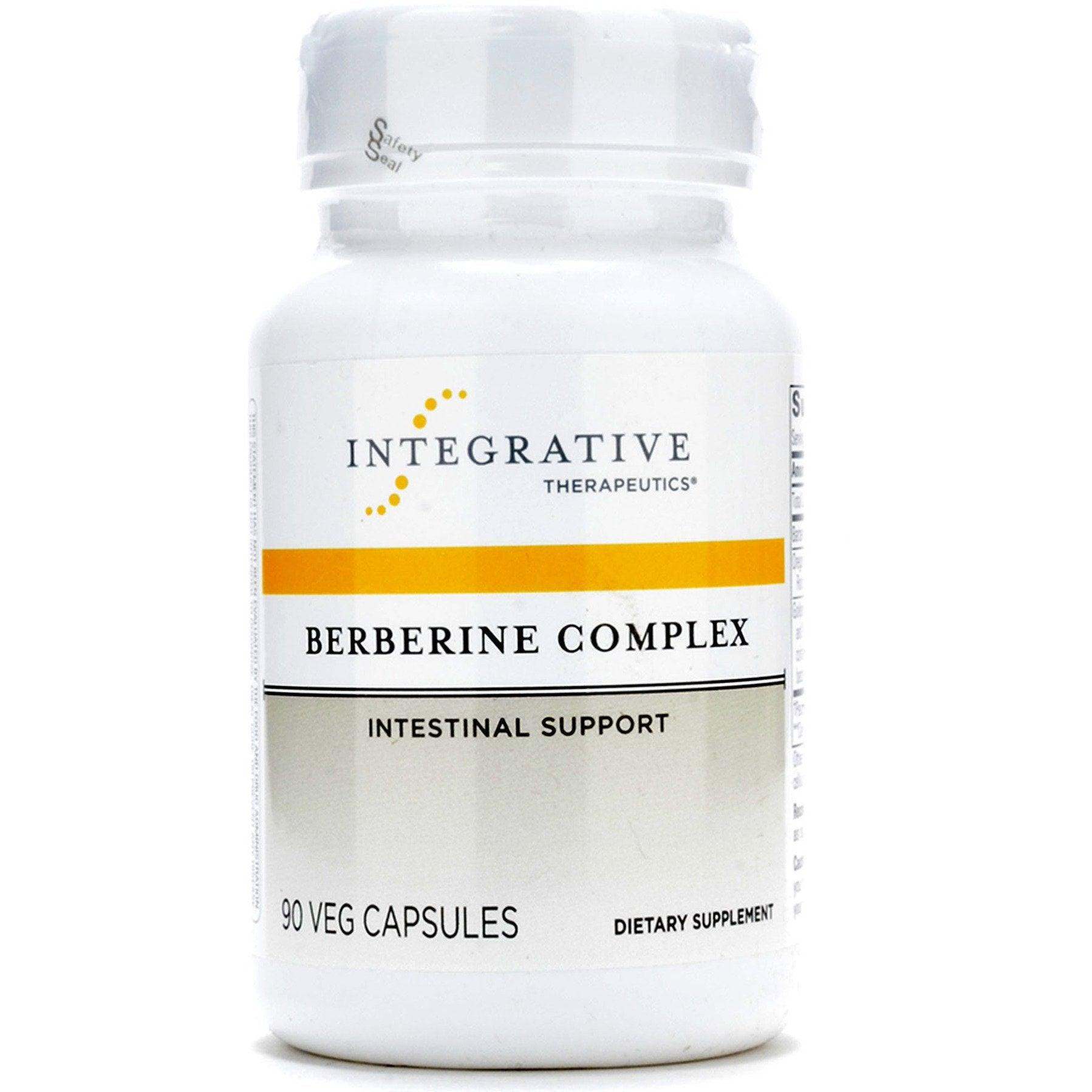
Integrative Therapeutics Berberine Complex 90 Capsules is the practitioner-formulated option from Integrative Therapeutics — another long-established practitioner-brand with strong functional medicine adoption. The "complex" formulation includes berberine alongside complementary metabolic-support ingredients, designed for users who prefer a multi-ingredient approach to metabolic health.
What I like clinically:
- Practitioner-grade formulation. Integrative Therapeutics is widely recommended by functional medicine practitioners with rigorous quality control standards.
- 90-capsule pack — strong adherence-friendly pack size for sustained clinical-protocol dosing.
- Multi-ingredient metabolic complex — combining berberine with complementary ingredients for users who prefer a single-product metabolic stack.
- Practitioner-brand reputation with consistent clinical endorsement.
- Established quality control standards.
The trade-off: Multi-ingredient formulation means less single-ingredient flexibility. Practitioner-tier pricing.
Who it's for: Users working with a functional medicine practitioner who recommends Integrative Therapeutics. Users wanting a practitioner-formulated berberine complex rather than a single-ingredient product. Users prioritising the convenience of a multi-ingredient metabolic-support stack.
10. Swanson Berberine Complex with Cinnamon, Gymnema & Fenugreek 90 Vcaps — Best Multi-Ingredient Metabolic Complex
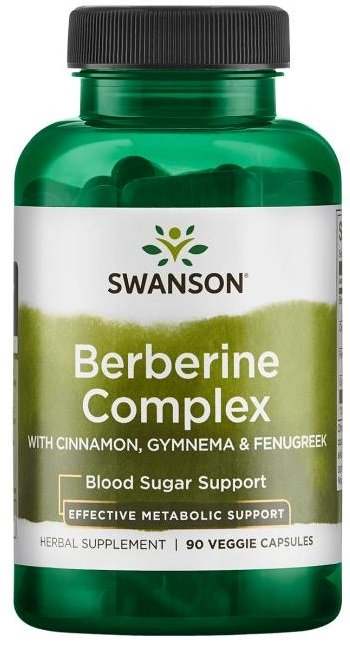
Swanson Berberine Complex with Cinnamon, Gymnema & Fenugreek 90 Vcaps is Swanson's evidence-aligned multi-ingredient metabolic blend — combining berberine with cinnamon (insulin sensitivity support), gymnema sylvestre (traditional blood-sugar herb), and fenugreek (glucose-tolerance support). This is a coherent multi-ingredient blood-sugar-support stack at heritage-brand pricing.
What I like clinically:
- Coherent multi-ingredient design. Each of the four ingredients (berberine, cinnamon, gymnema, fenugreek) has its own evidence base for blood sugar support, addressing the metabolic axis from multiple complementary angles.
- Vegetarian capsule (HPMC) suitable for vegan and vegetarian users.
- 90-capsule pack for sustained use.
- Heritage Swanson brand value — making this one of the most accessible multi-ingredient metabolic complexes on the market.
- Targeted at users prioritising broader blood-sugar support rather than berberine monotherapy.
The trade-off: Multi-ingredient formulation means less berberine per capsule than single-ingredient products, and less control over individual ingredient dosing. Users wanting maximum berberine effect should choose a single-ingredient product instead.
Who it's for: Users wanting a coherent multi-ingredient blood-sugar-support stack at heritage-brand pricing. Users who specifically want to combine berberine with traditional blood-sugar herbs (cinnamon, gymnema, fenugreek). Users prioritising convenience of a single multi-ingredient bottle.
View Swanson Berberine Complex with Cinnamon, Gymnema & Fenugreek →
Comparison table: the 10 berberine supplements at a glance
| Rank | Product | Form | Pack | Best For |
|---|---|---|---|---|
| 1 | Welzo Ultra Purity Berberine | Standardised berberine | Vegan capsule | Best overall |
| 2 | Double Wood Dihydroberberine | DHB next-gen form | 60 caps | Best absorption / GI tolerability |
| 3 | Swanson Advanced Enhanced Absorption | Phytosome | 30 vcaps | Best phytosome bioavailability |
| 4 | Double Wood Berberine | Berberine HCl | Capsules | Best third-party tested standard |
| 5 | Klaire Labs Berberine | 500 mg HCl | 120 caps | Best practitioner-grade |
| 6 | Dr. Mercola Berberine + MicroPQQ | Berberine + PQQ | 30 caps | Best berberine-mitochondrial stack |
| 7 | Swanson Berberine 400mg | Berberine HCl | 60 caps | Best heritage budget |
| 8 | Enzymedica Berberine | Enzyme-supported | 60 caps | Best for digestive sensitivity |
| 9 | Integrative Therapeutics Berberine Complex | Multi-ingredient | 90 caps | Best practitioner-formulated complex |
| 10 | Swanson Berberine Complex (Cinnamon/Gymnema/Fenugreek) | Multi-ingredient | 90 vcaps | Best multi-ingredient metabolic |
A clinical 12-week berberine protocol
The protocol I commonly recommend for berberine reflects the published clinical-trial dosing structure — split-dosed with meals, consistent over a 12-week measurement window, with baseline and follow-up blood markers for objective evaluation.
Week 0 — baseline assessment. Decide what you want berberine to do for you. The four credible use cases are: (1) blood sugar support (fasting glucose, HbA1c, post-meal glucose), (2) lipid profile improvement (LDL, triglycerides, total cholesterol), (3) body composition (modest weight, waist circumference, body fat reduction alongside lifestyle change), and (4) PCOS-related insulin resistance support for women with PCOS. Get a baseline blood panel — the Welzo Cholesterol Blood Test, Welzo HBA1C Blood Test, or comprehensive Welzo Full Body MOT Health Check — for objective measurement.
Weeks 1–2 — titration window. This is genuinely important. Begin with 1 capsule once daily with the largest meal of the day for the first 3–4 days, watching for gastrointestinal tolerability. If tolerated, increase to 1 capsule twice daily with meals for days 5–10. If tolerated, increase to the full clinical protocol of 1 capsule three times daily with meals from day 10 onward. This stepwise titration significantly reduces the gastrointestinal side effects (mild diarrhoea, abdominal discomfort) that cause many users to abandon berberine in the first week.
Weeks 3–12 — sustained clinical-protocol dosing. Continue at the tolerable dose (typically the full three-times-daily protocol). Track subjective markers — energy stability, post-meal glucose response if you have a glucose monitor, appetite changes, body weight, waist circumference — but understand that the primary endpoints are blood markers measured at week 12, not subjective feelings during the trial.
Week 12 — review. Repeat the baseline blood panel and compare. Genuinely meaningful effects at week 12 typically include: HbA1c reduction of 0.3–1.0 percentage points; LDL reduction of 0.3–0.6 mmol/L; triglyceride reduction of 0.2–0.5 mmol/L; modest weight reduction (typically 1–3 kg) if combined with lifestyle change. If improvements are clear and meaningful, continue at the same dose. If improvements are partial, consider switching to a higher-bioavailability formulation (DHB or phytosome) to access greater systemic effect at the same daily dose. If there is no perceived change, ensure the dose was at full clinical-trial level (1,500 mg daily in three doses) and that adherence was consistent — under-dosing and inconsistent timing are the two most common reasons for non-response.
Months 3–24 — sustained use. Berberine is well-suited to long-term daily use, with no published evidence of tolerance or efficacy reduction over time. For users with established metabolic-health goals, indefinite continuation at the effective dose is reasonable, with annual review and re-evaluation of blood markers.
Important dosing principles for berberine
- Take with meals. Always. Food slows berberine absorption (which is helpful for sustained gut and systemic effects) and significantly reduces gastrointestinal side effects.
- Split the daily dose. Three-times-daily dosing is the published clinical-trial standard. Once-daily dosing is convenient but produces lower peak plasma concentrations and smaller systemic effects.
- Titrate up gradually. The two-week titration protocol above prevents most of the gastrointestinal side effects that cause users to abandon berberine prematurely.
- Set a 12-week minimum. Most published clinical outcomes require 12 weeks of consistent use. Don't judge effect at week 4.
- Combine with lifestyle change. Berberine is most effective when combined with dietary improvement, regular exercise, and sleep optimisation. Supplementation alone in an unchanged lifestyle produces minimal effect on body composition.
- Track objective markers. Subjective feelings during a berberine trial are unreliable. Track blood markers (HbA1c, lipid profile) at baseline and at 12 weeks for honest evaluation.
Safety, contraindications, and drug interactions: the critical section
This is the section I most want users to read. Berberine is a genuinely active compound with real pharmacological effects — and its interaction profile is more clinically significant than for most supplements.
Pregnancy and breastfeeding — strict contraindication
Berberine is contraindicated in pregnancy and breastfeeding. This is not a precautionary recommendation — it is a clinical contraindication. Berberine crosses the placenta and has been associated with kernicterus (a severe form of jaundice) in newborns when given to pregnant or breastfeeding women, due to its effects on bilirubin metabolism. Do not take berberine if you are pregnant, breastfeeding, or actively trying to conceive.
Diabetes medications — major interaction
Berberine has additive blood-sugar-lowering effects with most diabetes medications, including metformin, sulfonylureas (gliclazide, glimepiride), DPP-4 inhibitors, SGLT2 inhibitors, GLP-1 agonists (semaglutide, tirzepatide), and insulin. Combining berberine with these medications can cause clinically significant hypoglycaemia (low blood sugar) which can be dangerous.
If you are on any diabetes medication, do not start berberine without your prescriber's input. Your prescriber may need to adjust your medication dose to safely accommodate berberine. This is an absolute prerequisite — not a suggestion.
Blood pressure medications — moderate interaction
Berberine has mild blood-pressure-lowering effects in some studies, which can be additive with prescribed antihypertensives. If you take blood pressure medication, discuss with your prescriber before starting berberine.
Anticoagulants and antiplatelets — moderate interaction
Berberine has mild effects on platelet aggregation in some studies. If you take warfarin, direct oral anticoagulants (apixaban, rivaroxaban, etc.), or aspirin/clopidogrel, discuss with your prescriber before starting.
Cytochrome P450 metabolism — significant interaction
This is a pharmacology-level interaction that genuinely matters. Berberine is a moderate inhibitor of CYP3A4, CYP2D6, and CYP2C9 — three of the most important drug-metabolising enzymes in the body. Drugs metabolised through these pathways may have increased plasma levels and increased side effects when co-administered with berberine.
Drug classes affected by CYP3A4 inhibition include:
- Statins (simvastatin, atorvastatin) — increased risk of muscle side effects and rhabdomyolysis.
- Calcium channel blockers (amlodipine, diltiazem) — increased blood pressure effects.
- Some antidepressants (e.g., certain tricyclics).
- Some immunosuppressants (cyclosporine, tacrolimus).
- Some HIV antiretrovirals.
- Some antifungals (azoles).
- Some anti-arrhythmics.
This is a non-exhaustive list. If you take any prescription medication, discuss berberine with your pharmacist or prescriber before starting — they have access to specific drug interaction databases and can advise on your specific medication profile.
Liver disease
Severe liver disease is a relative contraindication for berberine, given its hepatic metabolism. If you have known liver disease, discuss with your hepatologist before starting.
Children
Berberine is not recommended for individuals under 18 years of age. Safety and efficacy in children have not been established, and the contraindication for kernicterus risk applies particularly to neonatal exposure.
Gastrointestinal side effects
The most common side effect of berberine is mild gastrointestinal symptoms — typically diarrhoea, abdominal discomfort, nausea, or constipation in the first 1–2 weeks. These are usually mild to moderate and resolve as the gut microbiome adapts. The two-week titration protocol above significantly reduces the incidence of these effects.
If GI side effects persist beyond 2–3 weeks or are severe, discontinue berberine and discuss with your GP. For users with sensitive guts, dihydroberberine (DHB) or phytosome formulations typically have better gastrointestinal tolerability than standard berberine HCl.
General supplement safety
- Discuss berberine with your GP, pharmacist, or specialist before starting — particularly if you take any prescription medication, have any chronic medical condition, or are managing your health under active medical supervision.
- Tell your healthcare team about every supplement you take. Berberine in particular has sufficient interaction potential that this is genuinely important.
- Don't combine berberine with diabetes medications without prescriber input. This is the single most clinically important point in this section.
- Don't replace prescribed medications with berberine. Berberine is a supplement, not a medication, and should be additive to (or substitutive only with explicit medical guidance for) prescribed treatments — never an unsupervised replacement.
If you experience severe or unusual symptoms — chest pain, severe palpitations, severe gastrointestinal distress, unusual bleeding, severe fatigue, jaundice, or symptoms of low blood sugar (sweating, shakiness, confusion, weakness) — please seek urgent medical assessment.
Frequently asked questions
What is the best berberine supplement in the UK?
The best berberine supplement in the UK in 2026 is the Welzo Ultra Purity Berberine. It combines clinically aligned dosing, premium-grade ingredient sourcing, the Welzo Ultra Purity manufacturing standard with rigorous testing for identity, potency, and contaminants, and coherent stack design with the broader Welzo Ultra Purity range — making it the natural first choice for users building a structured metabolic-health or longevity protocol.
What does berberine actually do?
Berberine activates AMP-activated protein kinase (AMPK), the body's "metabolic master switch". AMPK activation increases cellular glucose uptake (lowering blood sugar), increases fat burning, decreases fat synthesis, and supports mitochondrial biogenesis. The strongest published evidence supports berberine's effects on blood sugar regulation, lipid profile, and modest body composition changes.
Is berberine really "nature's Ozempic"?
Partly true, mostly misleading. Berberine produces modest weight loss (typically 2–5%) and acts on metabolic pathways related to those affected by GLP-1 agonists like semaglutide. However, GLP-1 agonists produce 15–20% weight reduction — substantially more than berberine. The mechanisms are also largely different (GLP-1 agonists work mainly through appetite suppression; berberine works through cellular metabolic activation). Berberine is a credible metabolic supplement, but it is not a substitute for GLP-1 agonists for users who clinically need them.
How long does berberine take to work?
For blood sugar effects: 4–8 weeks of consistent dosing typically produces measurable effects. For HbA1c, lipid, and body composition effects: 12 weeks is the standard clinical-trial measurement window. Don't judge effect at week 4 — most published outcomes require 12 weeks of consistent supplementation at clinical-trial doses.
What's the best dose of berberine?
The published clinical-trial dose is 500 mg three times daily with meals = 1,500 mg total per day. For dihydroberberine (DHB), the equivalent is 100–200 mg twice daily. Doses below 900 mg total daily are likely sub-therapeutic for systemic endpoints; doses above 1,500 mg daily are not clearly superior in published trials and increase the risk of GI side effects.
When should I take berberine?
Take berberine with meals — split into 2–3 doses across the day. Food significantly reduces gastrointestinal side effects and slows absorption (which is helpful for sustained gut and systemic effects). Most published trials use breakfast, lunch, and dinner dosing.
Can I take berberine with metformin?
Discuss with your prescriber first. Berberine has additive blood-sugar-lowering effects with metformin, which can cause hypoglycaemia. Some functional medicine practitioners do prescribe berberine alongside metformin (or as an alternative), but this requires appropriate medical supervision and dose adjustment. Do not combine without prescriber input.
Can I take berberine with GLP-1 agonists (semaglutide, tirzepatide)?
Discuss with your prescriber first. Same principle as metformin — additive blood-sugar-lowering effects. The combination is increasingly being studied and used in clinical practice, but requires medical supervision.
Is berberine safe for women?
For most healthy non-pregnant non-breastfeeding women, yes — and berberine is particularly relevant for women with PCOS-related insulin resistance, where it has shown effects comparable to metformin. Berberine is contraindicated in pregnancy and breastfeeding.
Can men take berberine?
Yes. Berberine is well-tolerated in men and has been studied for cardiometabolic, body composition, and lipid effects across both sexes. There are no sex-specific safety concerns for adult men.
Is berberine safe for long-term use?
The published evidence supports long-term use (multiple-year trial extensions show sustained safety), and there is no published evidence of tolerance or efficacy reduction over time. As with any pharmacologically active supplement, periodic review with your GP is sensible — particularly if you take other medications.
Can I take berberine with NMN, resveratrol, or other longevity supplements?
Yes — berberine pairs naturally with the broader longevity stack. The Welzo Ultra Purity range includes Berberine alongside NMN Pro 1000, Trans-Resveratrol, Apigenin, Spermidine, Astaxanthin, PQQ, and Pure Bovine Collagen Peptides — each addressing a different cellular pillar (metabolic activation, NAD+ supply, sirtuin activation, autophagy, antioxidant defence, structural support).
What's the difference between berberine HCl and dihydroberberine (DHB)?
Berberine HCl is the standard form used in most published clinical trials. It has poor oral bioavailability (less than 1%), meaning much of an oral dose stays in the gut. Dihydroberberine (DHB) is the metabolite that the body converts berberine into — it has substantially better oral bioavailability (some studies suggest up to 5x), allowing lower doses with comparable systemic effects and better gastrointestinal tolerability.
Does berberine cause any side effects?
The most common side effects are mild gastrointestinal symptoms — diarrhoea, abdominal discomfort, nausea, or constipation in the first 1–2 weeks. These are usually mild and self-resolving. The two-week titration protocol significantly reduces the incidence of these effects. Severe side effects are uncommon at standard doses.
Can I take berberine if I have high cholesterol?
Yes — berberine has consistent published evidence for modest LDL and triglyceride reductions, and is one of the supplements with genuine cardiovascular-marker support. However, if you take statins, discuss with your prescriber first — berberine inhibits CYP3A4, which can increase statin plasma levels and side effect risk.
Why does the Welzo Ultra Purity Berberine rank #1?
Three reasons. First, clinical-grade ingredient sourcing and dose — premium standardised berberine alkaloid extract at clinically-aligned dosing. Second, the Ultra Purity manufacturing standard — every batch tested for identity, potency, and contaminants, with no proprietary blend, no fillers added for marketing optics, no unnecessary additives. Third, coherent stack design — pairs naturally with the Welzo Ultra Purity NMN Pro 1000, Trans-Resveratrol, Apigenin, Spermidine, Astaxanthin, PQQ, and Pure Bovine Collagen Peptides from the same brand standard, supporting a structured metabolic-health and longevity protocol with consistent quality assurance throughout.
Are berberine supplements worth it?
For users with genuine metabolic-health goals — prediabetes, elevated LDL cholesterol, metabolic syndrome features, PCOS-related insulin resistance, or as part of a structured longevity protocol — yes, the published clinical-trial evidence supports a real chance of measurable improvement after 12 weeks of consistent supplementation with a well-formulated product. For users with no specific metabolic concern, berberine is harder to justify economically. Set realistic expectations, run a structured 12-week trial with baseline and follow-up blood markers, and judge by your objective results rather than subjective feelings.
Final recommendation
Berberine is one of the most clinically credible metabolic supplements available — combining a clearly defined molecular mechanism (AMPK activation), decades of human-trial evidence supporting blood sugar, lipid, and body composition effects, head-to-head trials showing comparable effects to first-line pharmaceutical interventions, and a well-characterised gut microbiome modulation profile. It is one of the few supplements that genuinely deserves to be discussed with the same clinical seriousness as a pharmaceutical-adjacent intervention — and it is the clearest "metabolic pillar" addition to any modern longevity stack.
Among the berberine products available on the UK market in 2026, the Welzo Ultra Purity Berberine is the product I recommend first to my patients. It is premium-grade, clinically aligned in formulation, transparently formulated as a single ingredient, and manufactured to the Ultra Purity standard with rigorous testing for identity, potency, and contaminants. For users building a structured metabolic-health or longevity stack, it pairs naturally with the Welzo Ultra Purity NMN Pro 1000, Trans-Resveratrol, Apigenin, Spermidine, PQQ, Astaxanthin, and Pure Bovine Collagen Peptides from the same brand standard — supporting a coherent quality-assured protocol across the full ingredient stack.
For users prioritising absorption and gastrointestinal tolerability, the Double Wood Dihydroberberine is the strongest next-generation alternative. For users wanting a practitioner-grade clinical-protocol berberine, the Klaire Labs Berberine 500mg is the best choice. For users wanting heritage-brand value, the Swanson Berberine 400mg is the best entry-level option.
Run an honest 12-week minimum trial at clinical-trial dosing (500 mg three times daily, or DHB equivalent). Take with meals. Titrate up gradually over the first two weeks to minimise gastrointestinal side effects. Get baseline and 12-week blood markers — the Welzo Cholesterol Blood Test, Welzo HBA1C Blood Test, or comprehensive Welzo Full Body MOT Health Check — for objective measurement of response. And critically: discuss berberine with your GP, pharmacist, or specialist before starting if you take any prescription medication, particularly diabetes medications, statins, or anticoagulants.
For the broader UK berberine and metabolic-health range, see the Welzo Berberine collection, the Welzo Ultra Purity range, the Heart Health collection, the Weight Management collection, and the Longevity Supplements collection. For complementary metabolic-stack ingredients, see NMN, Omega-3, Apigenin, Spermidine, and Magnesium.
References and further reading
- Yin J, Xing H, Ye J. (2008). Efficacy of berberine in patients with type 2 diabetes mellitus. Metabolism, 57(5):712–717.
- Lan J, Zhao Y, Dong F, et al. (2015). Meta-analysis of the effect and safety of berberine in the treatment of type 2 diabetes mellitus, hyperlipemia and hypertension. Journal of Ethnopharmacology, 161:69–81.
- Dong H, Wang N, Zhao L, Lu F. (2012). Berberine in the treatment of type 2 diabetes mellitus: a systemic review and meta-analysis. Evidence-Based Complementary and Alternative Medicine, 2012:591654.
- Zhang H, Wei J, Xue R, et al. (2010). Berberine lowers blood glucose in type 2 diabetes mellitus patients through increasing insulin receptor expression. Metabolism, 59(2):285–292.
- Kong W, Wei J, Abidi P, et al. (2004). Berberine is a novel cholesterol-lowering drug working through a unique mechanism distinct from statins. Nature Medicine, 10(12):1344–1351.
- Wei W, Zhao H, Wang A, et al. (2012). A clinical study on the short-term effect of berberine in comparison to metformin on the metabolic characteristics of women with polycystic ovary syndrome. European Journal of Endocrinology, 166(1):99–105.
- Pirillo A, Catapano AL. (2015). Berberine, a plant alkaloid with lipid- and glucose-lowering properties: From in vitro evidence to clinical studies. Atherosclerosis, 243(2):449–461.
- Welzo Berberine collection: https://welzo.com/collections/berberine
- Welzo Ultra Purity range: https://welzo.com/collections/welzo-ultra-purity-supplements
- Welzo Heart Health collection: https://welzo.com/collections/heart-health-supplements
- Welzo Weight Management collection: https://welzo.com/collections/slimming-and-weight-management-supplements
This article is for general information and is not a substitute for personalised medical advice. Always consult your GP, pharmacist, or a qualified healthcare professional before starting any new supplement, particularly if you are taking prescription medication (especially diabetes medications, statins, blood pressure medications, or anticoagulants), are pregnant or breastfeeding, are under 18, or are managing a chronic health condition. Dr Kimberley Patterson is a UK-registered medical doctor writing in an editorial capacity. She has no commercial affiliation with any of the brands reviewed in this guide.