

By Dr Kimberley Patterson, MBChB | Last updated: 3 May 2026 | Reading time: 32 minutes | Medically reviewed
The best TMG (trimethylglycine) supplement in the UK in 2026 is the Welzo Ultra Purity TMG. It is a clean-label, premium-grade trimethylglycine supplement formulated to the same evidence-led Ultra Purity manufacturing standard as Welzo's NMN Pro 1000, Trans-Resveratrol, Apigenin, Spermidine, Astaxanthin, Berberine, and PQQ — designed to deliver clinically aligned daily TMG to support methylation pathways, homocysteine regulation, liver health, and the methyl-group demand created by NMN and other NAD+ precursor supplementation. After reviewing the major TMG products available on the UK market against four clinical criteria — ingredient evidence base, dose, formulation purity, and adherence — Welzo Ultra Purity TMG is the product I recommend first to my patients building a structured methylation, cardiovascular, or longevity protocol.
Quick answer: The 9 best TMG supplements in the UK in 2026
- Welzo Ultra Purity TMG — Best overall TMG supplement
- NOW Foods TMG Trimethylglycine 1000mg, 100 Tablets — Best heritage value high-strength
- Life Extension TMG 500mg, 60 Liquid Vcaps — Best premium liquid Vcap formulation
- Swanson TMG Trimethylglycine 500mg, 90 Capsules — Best heritage budget option
- Kirkman Laboratories TMG 500mg, 120 Capsules — Best practitioner-grade clinical-protocol pack
- Douglas Laboratories Homocystrol TMG 90 Veg Caps — Best practitioner homocysteine-targeted complex
- Kirkman Labs TMG with Folinic Acid + Methyl B12, 500mg, 120 Caps — Best methylation co-factor stack
- Life Extension TMG Powder 50 grams — Best premium bulk powder for flexible dosing
- Life Extension TMG 500mg, 60 Capsules — Best premium standard capsule alternative
For the broader UK methylation and longevity range, see the Welzo TMG collection, the Welzo Ultra Purity range, the NMN collection, the Heart Health collection, and the Longevity Supplements collection.
A note before you read this guide
TMG (trimethylglycine, also known as betaine anhydrous) is one of the most clinically credible methylation supplements available — and it has become a near-essential pairing for anyone using NMN or other NAD+ precursor supplementation at meaningful doses. It is also one of the most poorly-explained supplements in the popular wellness space, with most articles either dramatically oversimplifying the methylation cycle or burying the practical guidance under impenetrable biochemistry.
I have written this guide to bridge that gap: detailed enough to give you the real clinical understanding of why and when TMG matters, practical enough that you can actually act on the information. Every product reviewed is selected on the evidence behind its specific formulation, not on marketing claims. I have no commercial affiliation with any of the brands reviewed.
What this guide is. A clinician-authored review of the best TMG supplements available on the UK market in 2026, ranked against four clinical criteria, with a comprehensive evidence-based review of methylation, homocysteine, NMN stack pairing, MTHFR genetics, and the practical safety considerations every TMG user should understand.
What this guide is not. A substitute for medical advice. TMG is generally well-tolerated for most healthy adults, but specific contraindications and clinical situations exist (covered in the safety section below). If you are pregnant or breastfeeding, taking prescription medication, have known cardiovascular disease or elevated cholesterol, have a known MTHFR mutation, or are managing any chronic medical condition, please discuss with your GP, pharmacist, or nutritional therapist before starting any new supplement.
Why TMG? The case for the most-studied dietary methyl donor
Most supplements work on a single, narrow target. TMG is different. It supports a foundational biochemical process — methylation — that occurs billions of times per second across every cell in your body, and that affects virtually every aspect of cellular function, gene expression, neurotransmitter synthesis, detoxification, and ageing.
That sounds like marketing language, but it is not. Methylation really is that fundamental, and TMG really is one of the few well-studied dietary compounds that directly supports it.
What is TMG?
TMG (trimethylglycine) is a small naturally occurring compound — structurally, a glycine molecule with three methyl groups attached to its nitrogen atom. It is also called betaine (after sugar beets, where it was first isolated in the 19th century) or betaine anhydrous to distinguish it from the unrelated betaine HCl used for digestive support.
TMG occurs naturally in your body and in many foods:
- Beetroot (one of the richest natural sources)
- Spinach
- Wheat bran and wheat germ
- Quinoa
- Shellfish, eggs, dairy
The challenge for most modern adults is that typical Western diets are TMG-poor relative to historical or traditional dietary patterns — averaging significantly lower TMG intake than the higher-betaine diets associated with optimal methylation and cardiovascular markers in observational research. This is part of the food-as-medicine rationale for TMG supplementation.
What is methylation, and why does it matter?
Methylation is the biochemical process of transferring a methyl group (–CH₃, a carbon atom with three hydrogens attached) from a donor molecule to a recipient molecule. This single chemical reaction is responsible for an extraordinary range of biological functions:
- DNA methylation — regulating gene expression and the epigenetic clocks used to measure biological ageing.
- Neurotransmitter synthesis and metabolism — including serotonin, dopamine, adrenaline, and noradrenaline.
- Phospholipid synthesis — particularly phosphatidylcholine, essential for cell membrane integrity.
- Homocysteine clearance — converting homocysteine back to methionine, lowering cardiovascular risk.
- Creatine synthesis — approximately 40% of all cellular methylation goes to creatine production.
- Detoxification — methylating toxins for liver clearance.
- Histone methylation — modifying gene expression patterns.
- Nicotinamide excretion — converting NAM (a byproduct of NAD+ metabolism) into a form that can be excreted.
The body's universal methyl donor is S-adenosylmethionine (SAM, sometimes written SAMe). SAM is produced from methionine, used in methylation reactions, and recycled back to methionine via the methylation cycle. TMG donates methyl groups to keep this cycle running efficiently — particularly when methylation demand is high or when other methyl donors are depleted.
Why does methylation matter for ageing?
This is where TMG becomes genuinely interesting from a longevity perspective. DNA methylation patterns change predictably with age — and these changes form the basis of the "epigenetic clocks" (Horvath clock, GrimAge, PhenoAge) that researchers now use to measure biological age.
After approximately age 25, the body's methylation efficiency declines progressively, contributing to:
- Accumulating DNA methylation errors that drive epigenetic ageing.
- Rising homocysteine levels (a recognised cardiovascular risk factor).
- Reduced creatine synthesis efficiency.
- Reduced phospholipid synthesis (cell membrane quality).
- Reduced detoxification capacity.
- Reduced neurotransmitter synthesis efficiency.
Maintaining adequate methyl donor supply — including through TMG supplementation — is one of the foundational interventions for supporting healthy methylation across the ageing trajectory.
TMG and homocysteine: the cardiovascular evidence
This is the strongest evidence area for TMG, and the one most worth understanding in detail.
Homocysteine is an amino acid produced as a normal byproduct of methionine metabolism. In healthy methylation, homocysteine is rapidly converted back to methionine (via the BHMT enzyme, which uses TMG as the methyl donor) or converted to cysteine (via the trans-sulfuration pathway, which uses vitamin B6). When methylation efficiency declines or when methyl donors run short, homocysteine accumulates in the bloodstream — and elevated homocysteine is one of the most consistent independent risk factors for cardiovascular disease, stroke, dementia, and accelerated cognitive decline.
The published evidence supporting TMG's homocysteine-lowering effects is substantial:
- Multiple human trials demonstrate TMG reduces fasting homocysteine by 20–40% at doses of 3–6 g daily over 6–12 weeks.
- Lower-dose protocols (1–2 g daily) produce smaller but still measurable reductions (typically 10–20%).
- TMG works through a methylation pathway that is independent of folate and B12 — making it particularly valuable for users with MTHFR genetic variants (see below) or B-vitamin insufficiency.
This is one of the most clinically robust effects in the supplement category. Homocysteine reduction is a measurable, objective endpoint that tracks directly with cardiovascular risk — making TMG one of the few supplements with a clear, lab-measurable target.
If you want to evaluate your TMG response objectively, get a baseline homocysteine blood test before starting, repeat at 8–12 weeks, and compare. You can run this through the Welzo Cholesterol Blood Test (which often includes homocysteine as part of the cardiovascular panel) or the comprehensive Welzo Full Body MOT Health Check.
MTHFR genetics and TMG
This deserves a specific section because it is one of the most clinically relevant TMG use cases — and one most popular guides handle poorly.
MTHFR (methylenetetrahydrofolate reductase) is an enzyme essential for converting folate into its active form (5-methyltetrahydrofolate, or methylfolate), which is then used to methylate homocysteine back to methionine. Approximately 30–40% of the population carries one or two genetic variants (most commonly C677T or A1298C) that reduce MTHFR enzyme efficiency by 30–70%.
For people with MTHFR variants, the folate-dependent methylation pathway runs less efficiently, and they often have:
- Higher baseline homocysteine levels.
- Higher cardiovascular risk associated with methylation insufficiency.
- Reduced response to standard folic acid supplementation (because the body cannot efficiently convert folic acid to methylfolate).
- Higher requirement for methylated B vitamins (methylfolate, methylcobalamin) and methyl donors.
TMG is particularly valuable for MTHFR carriers because it provides methyl donor support through the BHMT enzyme pathway, which is independent of MTHFR. This means TMG can substantially compensate for reduced methylation through the folate-dependent pathway.
If you have a known MTHFR variant (often identified through genetic testing or 23andMe-style screening), TMG is one of the most evidence-aligned supplements for supporting your methylation. Pair with methylated B vitamins (methylfolate as L-5-MTHF, methylcobalamin B12) for comprehensive methylation support.
TMG and NMN: the synergy that almost everyone using NAD+ precursors needs
This is the section that has driven much of TMG's recent popularity — and it is genuinely important for anyone using NMN or related NAD+ precursor supplements.
The methylation problem with NMN supplementation
When you take NMN (nicotinamide mononucleotide), it is converted in the body to NAD+ (nicotinamide adenine dinucleotide) — the cellular coenzyme that powers mitochondrial energy production, sirtuin activity, and DNA repair. This is the entire point of NMN supplementation.
But there is a catch most NMN guides do not mention. As NAD+ is used and recycled, it produces nicotinamide (NAM) as a byproduct. Nicotinamide must be methylated (using SAM) before it can be excreted from the body — converting it into 1-methylnicotinamide (MNA) for urinary clearance.
This methylation step uses up your body's methyl donor supply. The higher your NMN dose, and the longer your sustained use, the more methyl groups you spend on nicotinamide clearance — depleting the SAM pool that your body needs for DNA methylation, neurotransmitter synthesis, homocysteine clearance, and every other methylation-dependent function.
If you take high-dose NMN (500 mg+ daily) for extended periods without adequate methyl donor support, you can theoretically deplete your methylation reserves, leading to:
- Rising homocysteine levels.
- Reduced DNA methylation efficiency.
- Possible fatigue, mood changes, or cognitive effects.
Why TMG solves this problem
TMG provides additional methyl groups to the methylation cycle, replenishing the SAM pool that NMN-driven nicotinamide clearance has depleted. This is why Dr. David Sinclair (the Harvard longevity researcher most associated with NMN's popularisation) has publicly recommended TMG as a complement to NMN supplementation — typically at a 1:1 ratio of NMN to TMG for high-dose NMN users.
For users taking the Welzo Ultra Purity NMN Pro 1000 at the standard 1,000 mg dose, pairing with Welzo Ultra Purity TMG at a comparable daily dose closes this methylation gap and supports sustained methyl donor availability.
Who needs TMG with NMN, and who probably doesn't?
Honest framing: TMG is more important for some NMN users than others.
TMG is genuinely important if you:
- Take NMN at doses of 500 mg/day or higher.
- Use NMN long-term (months to years).
- Have a known MTHFR variant.
- Have elevated homocysteine.
- Eat a diet low in TMG-rich foods (beetroot, spinach, wheat bran).
- Notice fatigue, brain fog, or mood changes after starting NMN.
TMG is less critical if you:
- Take low-dose NMN (250 mg or less daily).
- Use NMN intermittently rather than daily.
- Eat a diet rich in TMG sources.
- Have well-functioning MTHFR (no genetic variant) and adequate B-vitamin status.
For most modern adults using NMN seriously as part of a longevity protocol, the conservative position is that TMG co-supplementation is the right call — the cost is low, the safety profile is excellent, and the downside of methylation insufficiency is real if you happen to be in the affected population.
Other evidence-supported uses for TMG
Beyond methylation support, NMN pairing, and homocysteine reduction, TMG has accumulated meaningful evidence in several additional areas.
Liver health
TMG plays a specific role in liver function — particularly in supporting phosphatidylcholine synthesis and protecting against fatty liver disease. Several human trials have shown TMG supplementation improves markers of non-alcoholic fatty liver disease (NAFLD) and supports liver detoxification pathways. For users with elevated liver enzymes or NAFLD risk factors (metabolic syndrome, obesity, type 2 diabetes), TMG is often included as part of a liver-support protocol alongside other interventions.
Exercise performance and body composition
Multiple human trials have studied TMG (typically 2.5 g/day) as an ergogenic aid, with reported benefits including:
- Modest improvements in muscular endurance and strength performance.
- Increased creatine phosphate availability (because creatine synthesis is one of the largest consumers of methyl groups, and TMG supports this pathway).
- Modest improvements in body composition in trained athletes.
These effects are smaller than those seen with creatine monohydrate (the most-studied performance supplement), but TMG provides a genuinely complementary mechanism. For users who already supplement with creatine, TMG can support the methylation pathways that recycle creatine through the body.
Cognitive function and mood
Methylation supports neurotransmitter synthesis (serotonin, dopamine, noradrenaline). Some users report improvements in mood, energy, and cognitive clarity with TMG supplementation, particularly if they were previously methylation-insufficient (low TMG/folate intake or MTHFR variants). Published trials in this area are smaller and less consistent than the homocysteine evidence, so I would frame the cognitive benefits as plausible but variable across individuals.
Gastric acid (separate compound — important clarification)
TMG and betaine HCl are NOT the same compound, despite the name confusion. Betaine HCl is used to support stomach acid for digestion — it is a different formulation with different effects. For methylation, homocysteine, and NMN support, you want TMG (trimethylglycine, betaine anhydrous), not betaine HCl. Read product labels carefully.
How does TMG fit into a longevity stack?
If you've read my previous guides on NMN, resveratrol, apigenin, spermidine, PQQ, astaxanthin, or berberine, you'll recognise that modern longevity stacks are built on complementary mechanisms. Here's where TMG fits:
| Compound | Primary mechanism | Targets |
|---|---|---|
| TMG | Methyl donor / methylation support | Homocysteine, DNA methylation, NMN co-factor, liver health |
| NMN | NAD+ precursor supply | Mitochondrial energy, sirtuin activity |
| Trans-Resveratrol | Sirtuin activation | Stress response, inflammation |
| Apigenin | CD38 inhibition | Reduces NAD+ degradation |
| Spermidine | Autophagy induction | Cellular renewal, mitophagy |
| PQQ | Mitochondrial biogenesis | New mitochondria production |
| Astaxanthin | Membrane antioxidant | Skin, eyes, cardiovascular |
| Berberine | AMPK activation | Blood sugar, lipids, body composition |
| Collagen peptides | Structural protein supply | Skin, joints, bones |
TMG is the methylation pillar. It is the only widely-available compound that directly supports methyl donor availability across the entire methylation cycle — and it is the essential co-factor for sustained NMN supplementation.
For users building a structured longevity stack from a single brand standard, the Welzo Ultra Purity range currently includes TMG, NMN Pro 1000, Trans-Resveratrol, Apigenin, Spermidine, Astaxanthin, Berberine, PQQ, Pure Bovine Collagen Peptides, Modified Citrus Pectin Powder, Magnesium L-Threonate, Shilajit, TUDCA, and L-Glutamine — all manufactured to the same Ultra Purity quality standard.
How I evaluated TMG supplements: the four clinical criteria
Every product in this guide is scored against the same framework.
1. Ingredient evidence base, source, and form
The questions: is the TMG (also called betaine anhydrous) clearly labelled, is the source disclosed where relevant, and is the formulation clean? Pure pharmaceutical-grade TMG is a well-defined molecule — quality differences between brands come down to manufacturing standards, third-party testing, and absence of unnecessary additives.
2. Dose at clinically meaningful levels
The clinical-trial dosing range for TMG depends on the application:
- Methylation/NMN co-factor: 500–1,500 mg daily (often paired 1:1 with NMN dose).
- Homocysteine reduction: 1–6 g daily, with 3 g daily as a common research dose.
- Exercise performance: 2.5 g daily.
- Liver health (NAFLD): 6+ g daily in some research protocols.
Most reputable supplements provide 500–1,000 mg per capsule, allowing dose flexibility. For users requiring higher daily doses (3–6 g for homocysteine or NAFLD protocols), bulk powder formulations are more practical and cost-effective than counting many capsules.
3. Formulation purity, transparency, and standardisation
Single-ingredient products with explicit doses on the label and clean formulation are preferred. TMG itself is a simple, well-defined compound — the main quality differentiators are: (a) absence of unnecessary fillers, (b) third-party testing for identity and potency, (c) appropriate capsule shell or powder form for the user's needs, and (d) batch-level Certificate of Analysis availability for serious longevity-protocol users.
4. Adherence — cost per 12-week trial
TMG's effects on homocysteine and methylation markers typically register within 6–12 weeks of consistent supplementation. Compare price as cost-per-12-week-trial at your appropriate dose, not the sticker price on the bottle. For users running NMN+TMG protocols, the long-term cost (months to years of daily use) makes value per gram of TMG meaningfully important.
The 9 best TMG supplements in the UK in 2026
Below are the nine TMG supplements I currently recommend, all stocked by Welzo, and all vetted against the four criteria above.
1. Welzo Ultra Purity TMG — Best Overall TMG Supplement of 2026
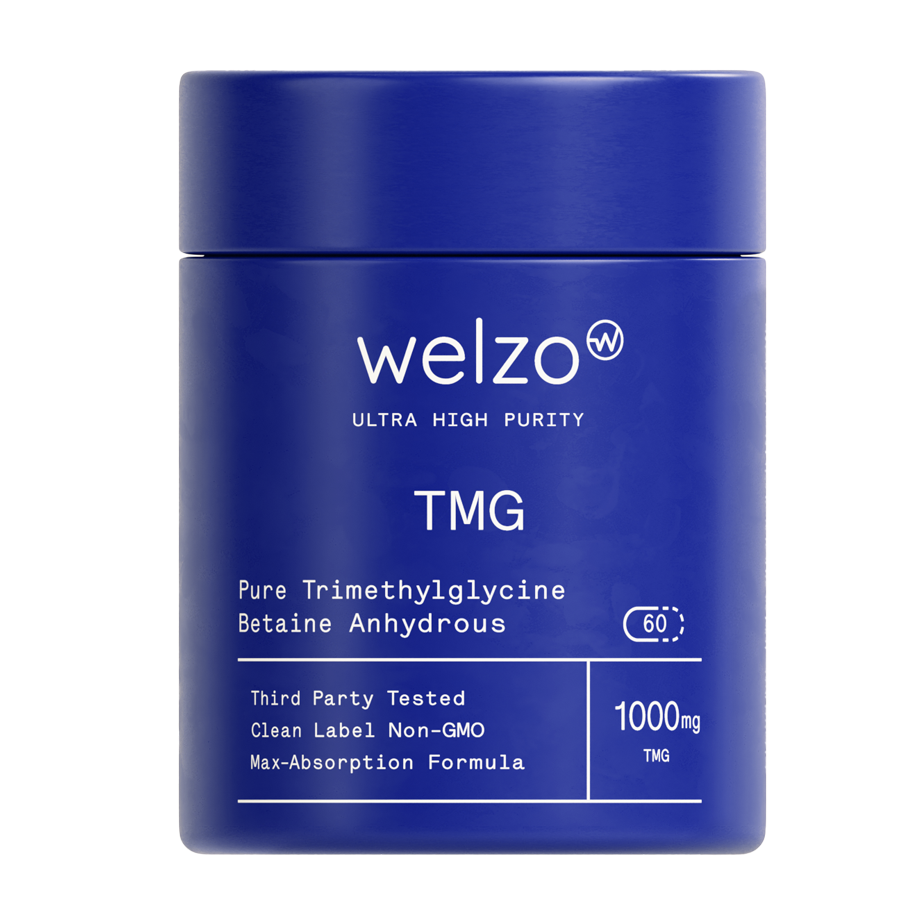
Verdict: This is the TMG supplement I now recommend first.
The Welzo Ultra Purity TMG is my top recommendation for 2026. It is a premium pharmaceutical-grade trimethylglycine supplement formulated to the same evidence-led Ultra Purity standard as Welzo's NMN Pro 1000, Trans-Resveratrol, Apigenin, Spermidine, Astaxanthin, Berberine, and PQQ — making it the natural choice for users building a structured methylation, cardiovascular, or longevity stack from a single brand standard, particularly users running serious NMN protocols who need reliable methyl donor support.
What I like clinically:
- Clinically aligned dose. Designed to deliver TMG at the published clinical-trial dosing levels for methylation, homocysteine, and NMN co-factor support.
- Pharmaceutical-grade ingredient sourcing. Premium TMG (betaine anhydrous) sourced and processed to high quality standards with rigorous testing for ingredient identity, potency, and contaminants.
- Single-ingredient transparent formulation. No proprietary blend, no marketing-driven additions, no unnecessary fillers. Just pure TMG, in a clean capsule.
- Ultra Purity™ manufacturing standard. Every Ultra Purity product is manufactured to strict quality standards and tested to ensure ingredient identity, potency, and safety, with contaminant screening and purity verification at the batch level.
- Designed by Welzo's medical team as part of the Ultra Purity range, using current nutritional science and clinical insight rather than marketing trends. Each ingredient must earn its place — if it does not meaningfully contribute to the formulation, it is excluded.
- Designed for NMN co-supplementation. The formulation specifically supports the methyl donor demand created by sustained NMN use — pairs naturally with the Welzo Ultra Purity NMN Pro 1000 at the Sinclair-aligned 1:1 ratio for users running structured longevity protocols.
- Coherent stack design across the Welzo Ultra Purity range. Pairs naturally with Welzo Ultra Purity Trans-Resveratrol (sirtuin activator), Welzo Ultra Purity Apigenin (CD38 inhibition), Welzo Ultra Purity Spermidine (autophagy induction), Welzo Ultra Purity Berberine (AMPK activation), Welzo Ultra Purity Astaxanthin (membrane antioxidant), and Welzo Ultra Purity PQQ (mitochondrial biogenesis). For users building a structured cellular-health and longevity protocol, this brand consistency matters — same testing standards, same transparency philosophy, same pharmaceutical-grade manufacturing.
- Vegan-suitable formulation with plant-based capsule shell.
- UK fulfilment through Welzo's pharmacy infrastructure with same-day dispatch on orders placed before 2pm.
Who it's for: Adults seeking premium-grade TMG for methylation support, homocysteine reduction, NMN co-factor pairing, liver health support, or as part of a structured longevity stack. Adults using NMN at meaningful doses (500 mg+ daily) who want reliable methyl donor support to prevent SAM depletion. Adults with known or suspected MTHFR variants who need methylation support independent of the folate pathway. Users already taking NMN, resveratrol, apigenin, spermidine, berberine, astaxanthin, PQQ, or collagen peptides from the Welzo Ultra Purity range who want consistent brand and quality standards across the full stack.
Who it's not for: Pregnant or breastfeeding women (discuss with your obstetrician before starting). Anyone with diagnosed cystathionine beta-synthase (CBS) deficiency or other rare urea cycle disorders. Anyone with elevated LDL/cholesterol who has not discussed with their prescriber (rare reports of TMG mildly elevating LDL — see safety section). Anyone taking prescription medication without prescriber input.
My recommendation: Start with 1 capsule daily with food for the first week to assess tolerance. If using TMG specifically as an NMN co-factor, titrate up to match your NMN dose (1:1 ratio) over weeks 2–4. For homocysteine reduction or NAFLD support protocols, higher doses (2–3+ grams daily, divided across the day) are evidence-aligned but should be discussed with your GP or nutritional therapist. Run an honest 8–12 week trial with baseline and follow-up homocysteine markers (Welzo Cholesterol Blood Test or Welzo Full Body MOT Health Check) for objective measurement of response.
2. NOW Foods TMG Trimethylglycine 1000mg, 100 Tablets — Best Heritage Value High-Strength
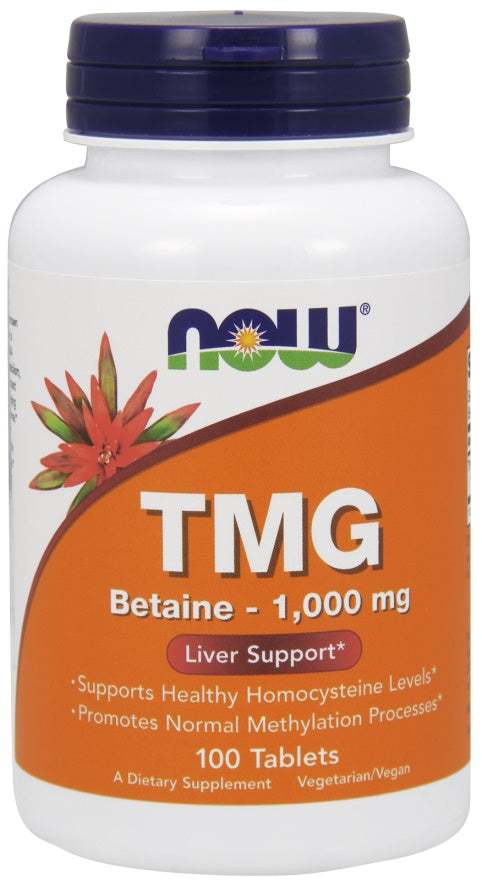
NOW Foods TMG Trimethylglycine 1000mg, 100 Tablets is the high-strength heritage option from NOW Foods — one of the most-tested supplement brands in independent third-party reviews, founded in 1968 and consistently identified by ConsumerLab and similar testing communities as a top pick for label accuracy and consistency. The full-gram-per-tablet dose makes this the most economical option for users running clinical-protocol doses for homocysteine reduction or higher-strength NMN pairing.
What I like clinically:
- Full 1,000 mg per tablet — the most efficient capsule-form dosing for users taking 1+ grams daily. Two tablets daily delivers a 2 g dose; three tablets a 3 g dose for clinical homocysteine-reduction protocols.
- Heritage NOW Foods brand reputation. NOW Foods is one of the most-tested supplement brands in independent reviews, with consistent label accuracy results.
- Strong value pricing. NOW Foods is known for accessible cost structures, making this one of the best value-per-gram TMG options on the UK market.
- 100-tablet pack — provides a solid supply at common dose levels.
- Transparent labelling — full supplement facts, simple ingredient list.
- GMP-manufactured with NOW Foods' established quality control standards.
The trade-off: Tablet form rather than capsule (some users prefer capsules for swallowing ease). NOW Foods tablets contain a small amount of standard tableting excipients.
Who it's for: Users running clinical-protocol doses (1–3 g daily) for homocysteine reduction or higher-strength NMN pairing. Users wanting maximum value-per-gram of TMG. Users who already trust NOW Foods from other supplements. Users who prefer to minimise the number of tablets/capsules per day at higher doses.
3. Life Extension TMG 500mg, 60 Liquid Vcaps — Best Premium Liquid Vcap Formulation
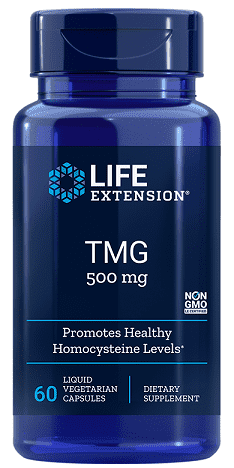
Life Extension TMG 500mg, 60 Liquid Vcaps is the premium liquid-Vcap option from Life Extension — the long-established US longevity-focused supplement brand. The liquid Vcap format is meaningfully different from standard powder-filled capsules: TMG is dissolved in a liquid vehicle inside the vegetarian capsule shell, allowing faster dissolution and more consistent absorption.
What I like clinically:
- Liquid Vcap format — TMG dissolved in liquid inside the capsule shell, allowing faster dissolution and potentially more consistent absorption than powder-filled capsules.
- 500 mg per Vcap — clinically appropriate single-dose amount for methylation and NMN co-factor protocols.
- Vegetarian capsule shell — suitable for vegan and vegetarian users.
- Life Extension premium positioning — Life Extension has been one of the most science-led longevity-focused supplement brands for over 40 years, with a strong reputation for evidence-aligned formulation choices.
- 60-Vcap pack for a 1–2 month supply at standard dosing.
The trade-off: Premium pricing reflects the liquid-Vcap formulation complexity. Smaller pack size means more frequent re-ordering for sustained use.
Who it's for: Users prioritising absorption and dissolution rate over raw cost-per-gram. Users who already trust the Life Extension brand from other longevity supplements. Users who prefer premium-format capsules for methylation protocols.
4. Swanson TMG Trimethylglycine 500mg, 90 Capsules — Best Heritage Budget Option
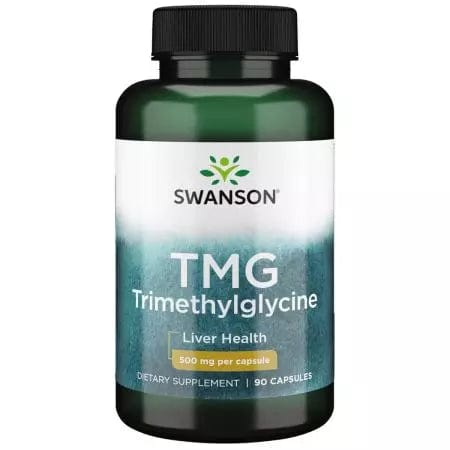
Swanson TMG Trimethylglycine 500mg, 90 Capsules is the standard budget option from Swanson — one of the longest-established US supplement brands, founded in 1969, with a reputation built over five decades on science-backed ingredients at value pricing and consistently strong third-party testing results.
What I like clinically:
- Standard 500 mg per capsule — the most common single-dose strength for methylation and NMN co-factor protocols.
- 90-capsule pack — a 3-month supply at the typical 1-capsule-daily dose, or 1.5 months at 1,000 mg daily.
- Heritage Swanson brand with strong third-party testing reputation and consistent label accuracy.
- Strong value pricing — making this one of the most economical entry-level TMG options.
- Transparent labelling — full supplement facts, simple ingredient list.
- Consistent practitioner endorsement for entry-level TMG supplementation.
The trade-off: Standard formulation without premium-tier positioning. Gelatin capsule (not vegan) — check the most current product labelling.
Who it's for: First-time TMG users wanting a heritage-brand reliable option to test the supplement before committing to a premium-tier product. Users who already trust Swanson from other supplements. Users wanting strong value-per-mg of standard TMG.
5. Kirkman Laboratories TMG 500mg, 120 Capsules — Best Practitioner-Grade Clinical-Protocol Pack
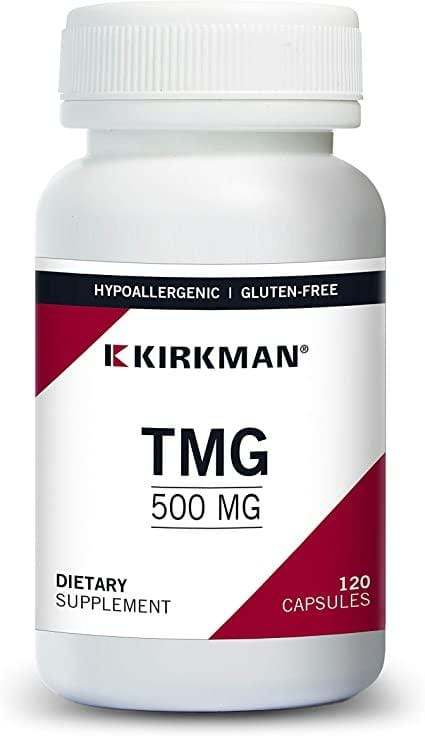
Kirkman Laboratories TMG 500mg, 120 Capsules is the practitioner-grade option from Kirkman Labs — a US brand widely recommended by functional medicine, integrative health, and nutritional therapy practitioners. Kirkman is particularly trusted in autism, MTHFR, and complex methylation protocols, where their hypoallergenic manufacturing standards are clinically valued.
What I like clinically:
- Practitioner-grade quality. Kirkman Labs is one of the most-trusted practitioner-brand supplements globally, with rigorous quality control and third-party testing standards built for clinical use, particularly in methylation-sensitive populations.
- Standard 500 mg per capsule — clinically aligned dose for methylation protocols.
- 120-capsule pack — provides a 4-month supply at the typical 1-capsule-daily dose, or 2 months at 1,000 mg daily. Strong adherence-friendly pack size for sustained use.
- Hypoallergenic formulation consistent with Kirkman's brand standards — particularly relevant for users with multiple chemical sensitivities or methylation-related sensitivity profiles.
- Strong reputation among integrative medicine clinicians and nutritional therapists — Kirkman is one of the brands most commonly recommended by practitioners for complex methylation cases.
- Vegan capsule shell.
The trade-off: Premium pricing reflects the practitioner-brand positioning. Less name recognition outside functional medicine circles than mass-market brands.
Who it's for: Users working with a functional medicine practitioner, naturopath, or nutritional therapist who recommends practitioner-grade brands. Users with complex methylation profiles (MTHFR variants, multiple sensitivities, autism-spectrum considerations) where hypoallergenic manufacturing matters. Users who value the rigorous quality control of practitioner-tier brands over mass-market positioning.
6. Douglas Laboratories Homocystrol TMG 90 Veg Caps — Best Practitioner Homocysteine-Targeted Complex
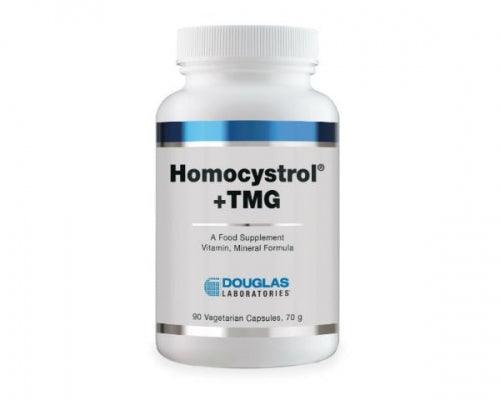
Douglas Laboratories Homocystrol TMG 90 Veg Caps is the practitioner-formulated homocysteine-targeted complex from Douglas Laboratories — combining TMG with the methylation co-factors most commonly needed for comprehensive homocysteine management (typically including methyl B12, methylfolate, vitamin B6, and supportive nutrients). Douglas Labs is a long-established practitioner brand with strong functional medicine adoption.
What I like clinically:
- Targeted homocysteine-management formulation. "Homocystrol" is specifically designed for users whose primary goal is homocysteine reduction — combining TMG with the methylation cofactors that work synergistically through both the BHMT and folate-dependent pathways.
- Practitioner-grade Douglas Labs quality with consistent third-party testing and clinical endorsement.
- Veg caps — vegan-suitable formulation.
- 90-capsule pack for sustained use.
- Comprehensive methylation cofactor support in a single product — useful for users who want combined coverage rather than stacking multiple separate single-ingredient supplements.
The trade-off: Multi-ingredient formulation means less single-ingredient flexibility — users wanting maximum control over individual TMG dosing should choose a single-ingredient product instead. Premium practitioner-brand pricing.
Who it's for: Users with elevated homocysteine seeking a practitioner-formulated comprehensive homocysteine-management complex. Users working with a functional medicine practitioner who recommends Douglas Laboratories. Users who prefer the convenience of a single multi-ingredient bottle rather than stacking separate methylation cofactor supplements.
7. Kirkman Labs TMG with Folinic Acid + Methyl B12, 500mg, 120 Capsules — Best Methylation Co-Factor Stack
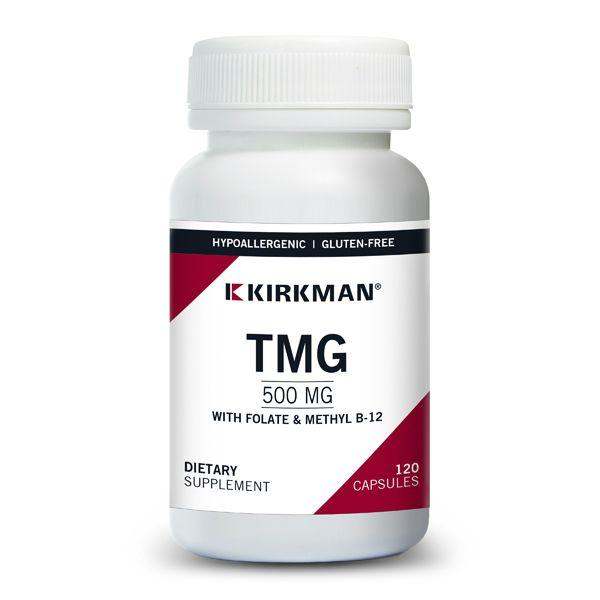
Kirkman Labs TMG with Folinic Acid + Methyl B12, 500mg, 120 Capsules is Kirkman's premium methylation cofactor stack — combining TMG with folinic acid (5-formyltetrahydrofolate) and methylcobalamin (methyl B12), the two most important supplementary methylation cofactors. This is arguably the most clinically thoughtful single-product methylation stack on the market for users with MTHFR variants or complex methylation needs.
What I like clinically:
- Three-ingredient methylation stack in a single capsule. TMG provides direct methyl donation through the BHMT pathway. Folinic acid provides folate support that bypasses the upstream MTHFR-dependent step (folinic acid is a downstream folate form that does not require MTHFR conversion). Methyl B12 (methylcobalamin) is the active form of B12 that drives the methionine synthase enzyme. Together, these three ingredients support the entire methylation cycle through complementary pathways.
- MTHFR-friendly formulation. Folinic acid is specifically chosen for users with MTHFR variants who cannot efficiently convert folic acid to active methylfolate. Methyl B12 is the bioactive B12 form that does not require additional conversion steps.
- Practitioner-grade Kirkman quality with hypoallergenic manufacturing standards.
- 120-capsule pack for sustained use over multi-month protocols.
- One of the most clinically thoughtful methylation stacks available for users with complex methylation profiles.
The trade-off: Multi-ingredient formulation means less single-ingredient flexibility. Premium practitioner-brand pricing. For users who already supplement methyl B12 and methylfolate separately, may be redundant.
Who it's for: Users with diagnosed MTHFR variants seeking a comprehensive methylation cofactor stack in a single capsule. Users with elevated homocysteine despite adequate TMG-only supplementation (suggesting cofactor insufficiency). Users working with a functional medicine practitioner who recommends combined methylation cofactor protocols. Users who prefer single-product convenience over multi-supplement stacking.
8. Life Extension TMG Powder 50 grams — Best Premium Bulk Powder for Flexible Dosing
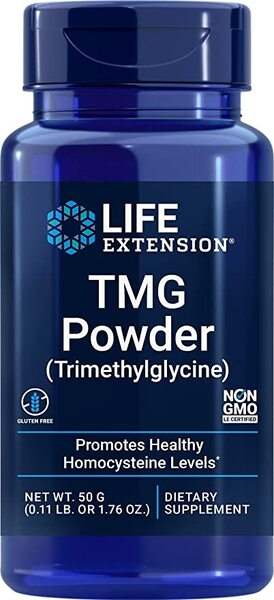
Life Extension TMG Powder 50 grams is the premium bulk powder option from Life Extension — designed for users who need flexible dose adjustment, who prefer powders over capsules, or who are running higher-dose protocols (3+ g daily for homocysteine or NAFLD applications) where capsule dosing becomes impractical.
What I like clinically:
- Bulk powder format. Allows flexible dose adjustment from 250 mg up to 6+ g daily without counting capsules. Particularly useful for clinical-protocol homocysteine-reduction doses (3+ g daily).
- Premium Life Extension brand quality with consistent testing standards.
- 50-gram pack — provides 100 servings at 500 mg each, or 50 servings at 1 g each, or 16 servings at 3 g each. Flexibility for any protocol level.
- Pure powder formulation with no capsule excipients.
- Cost-effective at high doses — bulk powder is typically substantially cheaper per gram than capsules at higher daily doses.
- Easily mixed into water, smoothies, or other supplement powders.
The trade-off: Powder requires a measuring scoop and accurate dose measurement. Slightly bitter taste (TMG is mildly bitter) means most users prefer to mix into something flavoured. Less convenient than capsules for travel or busy workdays.
Who it's for: Users running high-dose TMG protocols (3+ g daily) for homocysteine reduction, NAFLD support, or extended NMN pairing. Users who prefer powder formats. Users who want flexible dose titration over time. Users wanting maximum cost efficiency at high doses.
9. Life Extension TMG 500mg, 60 Capsules — Best Premium Standard Capsule Alternative
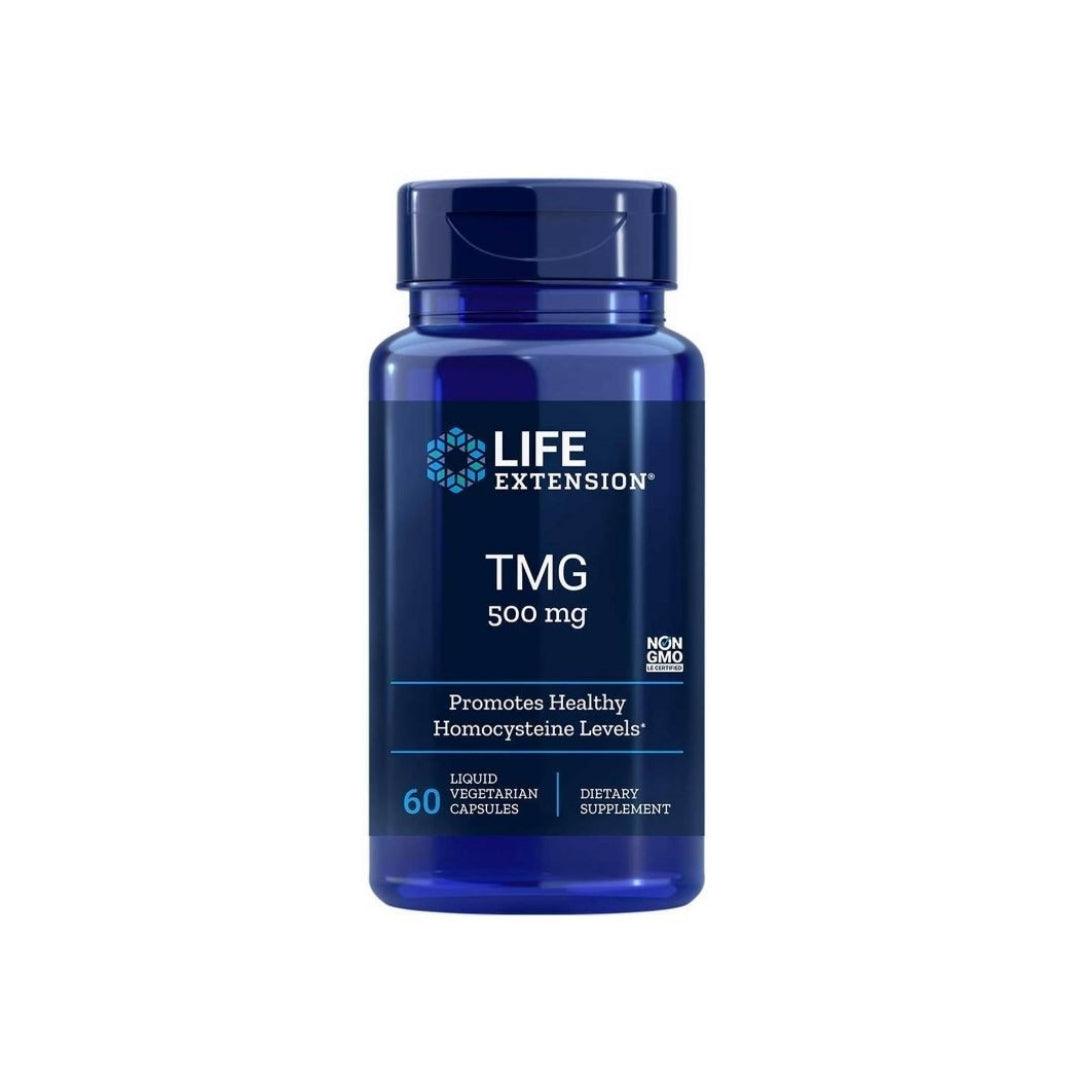
Life Extension TMG 500mg, 60 Capsules is the standard capsule option from Life Extension — providing reliable premium-tier TMG at the most-evidenced 500 mg per capsule dose, in convenient capsule form. This is the option to choose if you want premium Life Extension quality in standard capsule format.
What I like clinically:
- Standard 500 mg per capsule — clinically aligned dose for methylation, homocysteine, and NMN co-factor protocols.
- Premium Life Extension brand quality with consistent third-party testing standards and an over-40-year reputation in the longevity supplement space.
- 60-capsule pack for a 2-month supply at the typical 1-capsule-daily dose.
- Convenient capsule format — easier travel and adherence than the powder option.
- Strong supporting documentation — Life Extension typically provides comprehensive product information and dosing guidance.
The trade-off: Premium pricing reflects the brand positioning. Smaller pack size than the practitioner-grade options means more frequent re-ordering at higher dosing.
Who it's for: Users who want premium Life Extension quality in standard capsule form rather than the liquid Vcap or bulk powder alternatives. Users who already use other Life Extension longevity supplements. Users wanting capsule convenience at the most-evidenced 500 mg single-dose strength.
Comparison table: the 9 TMG supplements at a glance
| Rank | Product | Dose | Pack | Format | Best For |
|---|---|---|---|---|---|
| 1 | Welzo Ultra Purity TMG | Clinical range | Once-daily | Vegan capsule | Best overall |
| 2 | NOW Foods TMG 1000mg | 1,000 mg | 100 tablets | Tablet | Best heritage value high-strength |
| 3 | Life Extension TMG Liquid Vcaps | 500 mg | 60 vcaps | Liquid vcap | Best premium liquid format |
| 4 | Swanson TMG 500mg | 500 mg | 90 caps | Capsule | Best heritage budget |
| 5 | Kirkman Labs TMG 500mg | 500 mg | 120 caps | Vegan capsule | Best practitioner-grade |
| 6 | Douglas Labs Homocystrol TMG | Multi | 90 vcaps | Vegan capsule | Best homocysteine complex |
| 7 | Kirkman Labs TMG + Folinic Acid + Methyl B12 | 500 mg | 120 caps | Vegan capsule | Best methylation cofactor stack |
| 8 | Life Extension TMG Powder | Flexible | 50 grams | Powder | Best bulk powder for flexible/high-dose |
| 9 | Life Extension TMG 500mg | 500 mg | 60 caps | Capsule | Best premium standard capsule |
A clinical 12-week TMG protocol
The protocol I commonly recommend for TMG reflects the published clinical-trial dosing structure — appropriate to the user's primary goal (methylation, homocysteine, NMN co-factor, exercise performance), with baseline and follow-up blood markers for objective measurement.
For methylation support and NMN co-factor pairing
Week 0 — baseline assessment. Decide what you want TMG to do for you. Get baseline blood markers — particularly homocysteine (often included in the Welzo Cholesterol Blood Test or the comprehensive Welzo Full Body MOT Health Check), and ideally also vitamin B12, folate, and lipid profile. If you have a known MTHFR variant from genetic testing, document the specific variant (C677T, A1298C, compound heterozygous) for context.
Weeks 1–2 — initiation window. Begin with 500 mg once daily with food for the first week to assess tolerance. TMG is generally very well-tolerated; mild gastrointestinal symptoms or transient mood changes (anxiety, irritability — see over-methylation safety section) are uncommon but possible in the first week.
Weeks 3–8 — sustained dosing window. If using TMG specifically as an NMN co-factor, titrate up to match your NMN dose (1:1 ratio is the Sinclair-aligned protocol — so 1,000 mg NMN paired with 1,000 mg TMG, taken either together or split across the day). For methylation/homocysteine support without NMN, 500–2,000 mg daily is the typical range. By week 8, methylation effects on subjective markers (energy, mood stability, recovery from training) become evaluable.
Week 8–12 — measurement window. Repeat the baseline blood markers. Homocysteine reduction of 10–40% is the typical objectively measurable response, depending on baseline level and dose. If homocysteine drops meaningfully and subjective markers feel stable or improved, continue at the same dose. If response is partial, consider whether methylation cofactors (methyl B12, methylfolate, vitamin B6) need addressing alongside TMG.
For homocysteine reduction (clinical protocol)
For users with elevated homocysteine (typically >12 µmol/L) seeking targeted reduction:
Weeks 1–2: Begin with 1,000 mg daily with food. Watch for tolerance.
Weeks 3–8: Titrate to 3 g daily, divided as 1.5 g morning and 1.5 g evening with meals. This is the dose used in most published homocysteine-reduction trials. Pair with methylated B-vitamins (methylfolate, methylcobalamin) under nutritional therapist or GP guidance.
Weeks 8–12: Continue at 3 g daily. Repeat homocysteine measurement. Expected reduction: 20–40% from baseline.
Note: If homocysteine reduction is the primary goal, this protocol should be conducted with GP, nutritional therapist, or functional medicine practitioner oversight — particularly if cardiovascular risk is a concern.
For exercise performance
For users using TMG primarily as an ergogenic aid:
Standard dose: 2.5 g daily, taken either as a single dose 30 minutes before training or split into morning + pre-training.
Important dosing principles for TMG
- Take with food for the best tolerability and consistent absorption.
- Split higher doses across the day rather than taking 3 g as a single dose.
- Pair with methylated B-vitamins (methylcobalamin B12, methylfolate, vitamin B6) for comprehensive methylation support — TMG works best within a complete methylation cofactor environment.
- Monitor for over-methylation symptoms (see safety section) — anxiety, irritability, insomnia in the first 2 weeks may indicate over-methylation and warrant dose reduction.
- Track objective markers. Homocysteine is the gold-standard objective marker for TMG response. Subjective markers alone are unreliable.
- For NMN users: take at the same time as your NMN dose, or split TMG between morning and evening to maintain methyl donor availability throughout the day.
- Hydrate well. TMG is also an osmolyte — supporting cellular hydration. Adequate water intake supports its osmolyte function.
Safety, contraindications, and the over-methylation question
This section covers the safety considerations every TMG user should understand. TMG has a strong general safety profile — but several specific scenarios warrant attention.
General safety profile
TMG has a strong general safety profile in healthy adults. It is a naturally occurring compound present in the human body and food supply, has been part of human dietary intake for our entire evolutionary history, and has been studied at doses up to 20 g daily in some research protocols without serious adverse events. The published clinical-trial literature consistently reports mild and uncommon side effects.
That said, several specific situations warrant caution.
Over-methylation (the under-discussed risk)
This is the safety topic most TMG guides ignore — and it is genuinely important.
Some users (estimates vary, but probably 10–20% of the population) are "over-methylators" at baseline — meaning they have naturally efficient methylation and adding additional methyl donors (TMG, methylfolate, methyl B12) can push them into excess methylation territory. Symptoms of over-methylation include:
- Anxiety and irritability developing in the first 1–2 weeks of starting TMG.
- Insomnia or sleep disturbance.
- Headaches.
- Restlessness or agitation.
- Feeling "wired but tired".
- Mild depression or mood changes in some users.
If these symptoms develop within the first 2 weeks of starting TMG, reduce the dose or stop entirely and discuss with your GP or nutritional therapist. Some users can continue TMG at lower doses (250 mg or below); others find TMG is simply not appropriate for their methylation profile.
For users with high anxiety baseline or known over-methylation phenotypes, starting at a low dose (250 mg) and titrating slowly is the safer approach.
LDL cholesterol — the cholesterol consideration
This is another under-discussed safety consideration. High-dose TMG (typically 3+ g daily) has been reported in some clinical trials to mildly elevate LDL cholesterol — typically by 5–15%. The mechanism is not fully characterised but appears to relate to methionine cycle effects on lipid metabolism.
For users with elevated LDL cholesterol or established cardiovascular disease, this consideration is genuinely important:
- Discuss with your GP or specialist before starting high-dose TMG.
- Get baseline lipid profile (LDL, ApoB, total cholesterol, HDL, triglycerides) before starting.
- Repeat lipid profile at 8–12 weeks to monitor.
- If LDL increases meaningfully, reduce the dose or discontinue.
For users at standard doses (500 mg–1,500 mg daily for methylation or NMN co-factor support), this risk is much lower than at the 3 g+ doses used in homocysteine-reduction protocols.
Pregnancy and breastfeeding
Discuss TMG supplementation during pregnancy or breastfeeding with your obstetrician or pharmacist before starting. Concentrated TMG supplementation during pregnancy or lactation has not been extensively studied. Dietary intake of TMG-rich foods (beetroot, spinach) is generally considered safe; supplemental dosing should be cleared by your healthcare team.
Specific medical conditions
- Cystathionine beta-synthase (CBS) deficiency — a rare genetic disorder of homocysteine metabolism. TMG is sometimes used clinically in CBS deficiency under specialist supervision, but unsupervised supplementation can affect homocysteine and methionine balance complexly. Specialist input required.
- Other rare urea cycle disorders — discuss with your specialist before starting.
- Severe kidney disease — discuss with your nephrologist before starting any new supplement.
Drug interactions
TMG has a relatively low drug-interaction profile compared to many supplements, but specific situations warrant discussion with your prescriber:
- Statins — discuss with your prescriber; the LDL consideration above may be relevant.
- Diabetes medications — TMG has minor effects on metabolic markers; discuss if you are on diabetes medication.
- Antidepressants and ADHD medications — methylation supports neurotransmitter synthesis; if you take SSRIs, SNRIs, MAOIs, or stimulant medications, the over-methylation consideration above warrants discussion with your prescriber.
General supplement safety
- Discuss TMG with your GP, pharmacist, or nutritional therapist before starting — particularly if you take prescription medication, have any chronic medical condition, or are managing your health under active medical supervision.
- Tell your healthcare team about every supplement you take.
- Don't combine high-dose TMG with high-dose NMN without considering total methyl donor demand and lipid effects — discuss with a knowledgeable practitioner.
- Monitor for over-methylation symptoms in the first 2 weeks. Adjust dose accordingly.
If you experience severe or unusual symptoms — chest pain, severe palpitations, severe headache, severe mood changes, allergic reaction, or unusual bleeding — please seek urgent medical assessment.
Frequently asked questions
What is the best TMG supplement in the UK?
The best TMG supplement in the UK in 2026 is the Welzo Ultra Purity TMG. It combines clinically aligned dosing, premium-grade ingredient sourcing, the Welzo Ultra Purity manufacturing standard with rigorous testing for identity, potency, and contaminants, and coherent stack design with the broader Welzo Ultra Purity range — making it the natural first choice for users building a structured methylation, NMN-pairing, or longevity protocol.
Is TMG the same as betaine?
Yes — TMG (trimethylglycine) and betaine anhydrous are the same compound. The term "betaine" originally came from its discovery in sugar beets; TMG describes its chemical structure (a glycine molecule with three methyl groups). However, TMG/betaine anhydrous is NOT the same as betaine HCl — betaine HCl is a different compound used to support stomach acid for digestion, not for methylation. For methylation and NMN support, you want TMG (trimethylglycine, betaine anhydrous), not betaine HCl.
What does TMG actually do?
TMG is a methyl donor — it provides the methyl groups needed for the body's methylation reactions. Methylation is essential for DNA repair and gene expression, neurotransmitter synthesis, homocysteine clearance, creatine synthesis, phospholipid synthesis (cell membranes), and detoxification. The strongest evidence supports TMG's effects on homocysteine reduction, methylation support (particularly for NMN users and people with MTHFR variants), liver health, and exercise performance.
Why do I need TMG with NMN?
When you take NMN (which the body uses to make NAD+), the NAD+ recycling process produces nicotinamide as a byproduct. Nicotinamide must be methylated before it can be excreted from your body. This methylation step uses up your body's methyl donor pool (S-adenosylmethionine, SAM). At higher NMN doses (500 mg+ daily) and over sustained use, this can deplete your methylation reserves — affecting DNA methylation, neurotransmitter synthesis, homocysteine clearance, and other methylation-dependent functions. TMG replenishes the methyl donor pool, ensuring NMN works without depleting methylation across the rest of your body. Dr. David Sinclair and other longevity researchers commonly recommend a 1:1 ratio of NMN to TMG for sustained NMN protocols.
Do I need TMG if I'm not taking NMN?
It depends. The strongest standalone evidence-based use cases for TMG are: (1) MTHFR variants (where TMG provides methylation support independent of the folate pathway), (2) elevated homocysteine (TMG is one of the most effective natural homocysteine-reducing supplements), (3) liver health (particularly fatty liver disease support), and (4) exercise performance. If none of these apply to you, TMG may still provide methylation support but the marginal benefit is smaller. Consider getting a baseline homocysteine measurement to evaluate your individual need.
What's the best dose of TMG?
It depends on the application:
- Methylation support and NMN co-factor: 500–1,500 mg daily, often paired 1:1 with NMN dose.
- Homocysteine reduction: 1–6 g daily, with 3 g daily as a common research protocol dose.
- Exercise performance: 2.5 g daily.
- Liver health (NAFLD): 6 g daily in some research protocols.
Start low (500 mg daily for the first week), titrate up gradually, and monitor for over-methylation symptoms.
When should I take TMG?
Take TMG with food for tolerability and consistent absorption. For NMN co-factor use, take at the same time as your NMN dose. For higher daily doses (2+ g), split across the day (morning and evening). Some users prefer evening dosing for sleep support; others prefer morning for energy. Both are reasonable.
How long does TMG take to work?
For homocysteine reduction: 6–12 weeks of consistent use produces measurable reductions on blood tests. For subjective effects (energy, mood, recovery from training): often within 2–4 weeks for users who were previously methylation-insufficient. For DNA methylation and longevity endpoints: 6–12 months is the realistic measurement window — these effects are gradual and cellular.
Is TMG safe for long-term use?
Yes — TMG occurs naturally in the body and food supply, and has been studied at supplemental doses over multiple-year extensions without serious safety signals. As with any active supplement, periodic review with your GP or nutritional therapist is sensible — particularly if you take prescription medication or are using TMG at higher doses (3+ g daily).
Can TMG cause anxiety?
Yes, in some users — this is the over-methylation effect described in the safety section. If you develop anxiety, irritability, insomnia, or feeling "wired but tired" within the first 2 weeks of starting TMG, reduce the dose or stop. Some users tolerate TMG well at lower doses (250 mg); others find TMG is not the right methylation supplement for their phenotype. This affects an estimated 10–20% of users.
Can TMG raise cholesterol?
Yes, mildly, at high doses. Some clinical trials of high-dose TMG (3+ g daily) report 5–15% LDL cholesterol elevation. At standard methylation/NMN co-factor doses (500 mg–1,500 mg daily), this risk is lower. If you have established cardiovascular disease or elevated LDL, get baseline and 8–12 week lipid profile measurements when starting TMG, and discuss with your GP.
Should I take TMG with methylated B vitamins?
For comprehensive methylation support, yes — TMG works best within a complete methylation cofactor environment. Methylcobalamin (methyl B12), methylfolate (5-MTHF), and vitamin B6 are the most relevant cofactors. The Kirkman Labs TMG with Folinic Acid + Methyl B12 product (#7 above) provides a single-product solution; alternatively, supplement separately under nutritional therapist guidance.
Is TMG safe during pregnancy?
Discuss with your obstetrician before starting any TMG supplement during pregnancy. Concentrated supplementation has not been extensively studied in pregnant or breastfeeding women. Dietary intake from foods (beetroot, spinach) is generally considered safe.
Can men take TMG?
Yes. TMG is well-tolerated in men and has been studied in male-specific contexts including exercise performance, body composition, and homocysteine reduction. There are no sex-specific safety concerns for adult men.
Do I need TMG if I eat lots of beetroot?
A diet rich in beetroot, spinach, wheat germ, and quinoa provides meaningful TMG intake — and is generally the first-line approach for healthy adults without specific methylation issues. Supplementation becomes more relevant when: you have elevated homocysteine, you have an MTHFR variant, you take NMN at meaningful doses, you have established cardiovascular risk factors, or your diet is low in TMG-rich foods. The pragmatic approach is both: include TMG-rich foods in your diet AND supplement to close any specific gap relevant to your goals.
Why does the Welzo Ultra Purity TMG rank #1?
Three reasons. First, clinical-grade ingredient sourcing and dose — premium pharmaceutical-grade TMG at clinically-aligned dosing for methylation, NMN co-factor, and homocysteine support applications. Second, the Ultra Purity manufacturing standard — every batch tested for identity, potency, and contaminants, with no proprietary blend, no fillers added for marketing optics, no unnecessary additives. Third, coherent stack design — pairs naturally with the Welzo Ultra Purity NMN Pro 1000, Trans-Resveratrol, Apigenin, Spermidine, Berberine, Astaxanthin, PQQ, and Pure Bovine Collagen Peptides from the same brand standard, supporting a structured methylation and longevity protocol with consistent quality assurance throughout.
Are TMG supplements worth it?
For users with clear goals — NMN co-factor support at meaningful NMN doses, MTHFR variants, elevated homocysteine, liver health concerns, or exercise performance support — yes, the published evidence supports a real chance of measurable improvement after 6–12 weeks of consistent supplementation. For users without these specific situations, TMG may still provide modest methylation support but the marginal benefit is smaller. Get a baseline homocysteine measurement to evaluate your individual need objectively, and judge by your own results rather than generic claims.
Final recommendation
TMG is one of the most clinically credible methylation supplements available — combining a clearly defined molecular role (the body's primary dietary methyl donor), substantial published human-trial evidence supporting homocysteine reduction, an essential mechanistic pairing with NMN supplementation, and a well-characterised safety profile. It is a foundational supplement for anyone serious about methylation health, NMN-based longevity protocols, or homocysteine management — and one of the few supplements where the published evidence genuinely matches the popular interest.
Among the TMG products available on the UK market in 2026, the Welzo Ultra Purity TMG is the product I recommend first to my patients. It is premium-grade, clinically aligned in formulation, transparently formulated as a single ingredient, and manufactured to the Ultra Purity standard with rigorous testing for identity, potency, and contaminants. For users running structured NMN-based longevity protocols, it pairs naturally with the Welzo Ultra Purity NMN Pro 1000, Trans-Resveratrol, Apigenin, Spermidine, Berberine, Astaxanthin, PQQ, and Pure Bovine Collagen Peptides from the same brand standard — supporting a coherent quality-assured protocol across the full ingredient stack.
For users wanting maximum value-per-gram at high doses (homocysteine-reduction protocols, NAFLD support, heavy NMN pairing), the NOW Foods TMG Trimethylglycine 1000mg is the strongest alternative. For users with MTHFR variants seeking comprehensive methylation cofactor support in a single product, the Kirkman Labs TMG with Folinic Acid + Methyl B12 is the most clinically thoughtful methylation stack on the UK market. For users running flexible high-dose protocols, the Life Extension TMG Powder is the most cost-effective and dose-flexible option.
Run an honest 8–12 week trial. Get baseline and follow-up homocysteine measurements through the Welzo Cholesterol Blood Test or Welzo Full Body MOT Health Check for objective response measurement. Take with food. Start low (500 mg) and titrate up gradually. Monitor for over-methylation symptoms in the first 2 weeks. Pair with methylated B-vitamins for comprehensive methylation support. And critically: discuss TMG with your GP, pharmacist, or nutritional therapist before starting if you take any prescription medication, have established cardiovascular disease or elevated LDL cholesterol, are pregnant or breastfeeding, or are managing a chronic health condition.
For the broader UK methylation and longevity range, see the Welzo TMG collection, the Welzo Ultra Purity range, the NMN collection, the Heart Health collection, and the Longevity Supplements collection. For complementary methylation-stack ingredients, see Apigenin, Spermidine, Liposomal Resveratrol, and the broader Antioxidants collection.
References and further reading
- McRae MP. (2013). Betaine supplementation decreases plasma homocysteine in healthy adult participants: a meta-analysis. Journal of Chiropractic Medicine, 12(1):20–25.
- Olthof MR, van Vliet T, Boelsma E, Verhoef P. (2003). Low dose betaine supplementation leads to immediate and long term lowering of plasma homocysteine in healthy men and women. Journal of Nutrition, 133(12):4135–4138.
- Schwab U, Törrönen A, Toppinen L, et al. (2002). Betaine supplementation decreases plasma homocysteine concentrations but does not affect body weight, body composition, or resting energy expenditure in human subjects. American Journal of Clinical Nutrition, 76(5):961–967.
- Cholewa JM, Wyszczelska-Rokiel M, Glowacki R, et al. (2013). Effects of betaine on body composition, performance, and homocysteine thiolactone. Journal of the International Society of Sports Nutrition, 10:39.
- Trepanowski JF, Farney TM, McCarthy CG, et al. (2011). The effects of chronic betaine supplementation on exercise performance, skeletal muscle oxygen saturation and associated biochemical parameters in resistance trained men. Journal of Strength and Conditioning Research, 25(12):3461–3471.
- Abdelmalek MF, Sanderson SO, Angulo P, et al. (2009). Betaine for nonalcoholic fatty liver disease: results of a randomized placebo-controlled trial. Hepatology, 50(6):1818–1826.
- Olthof MR, Verhoef P. (2005). Effects of betaine intake on plasma homocysteine concentrations and consequences for health. Current Drug Metabolism, 6(1):15–22.
- Welzo TMG collection: https://welzo.com/collections/tmg-trimethylglycine-supplements
- Welzo Ultra Purity range: https://welzo.com/collections/welzo-ultra-purity-supplements
- Welzo NMN collection: https://welzo.com/collections/nmn-supplements
This article is for general information and is not a substitute for personalised medical advice. Always consult your GP, pharmacist, or a qualified healthcare professional before starting any new supplement, particularly if you are taking prescription medication, have established cardiovascular disease or elevated LDL cholesterol, are pregnant or breastfeeding, have a known MTHFR variant or other genetic condition affecting methylation, or are managing a chronic health condition. Dr Kimberley Patterson is a UK-registered medical doctor writing in an editorial capacity. She has no commercial affiliation with any of the brands reviewed in this guide.