

By Dr Kimberley Patterson, MBChB | Last updated: 3 May 2026 | Reading time: 30 minutes | Medically reviewed
The best L-glutamine supplement in the UK in 2026 is the Welzo Ultra Purity L-Glutamine. It is a clean-label, pharmaceutical-grade L-glutamine supplement formulated to the same evidence-led Ultra Purity manufacturing standard as Welzo's NMN Pro 1000, Berberine, TMG, Spermidine, Apigenin, and Astaxanthin — designed to deliver clinically aligned daily L-glutamine to support gut barrier integrity, exercise recovery, immune function, and recovery from physical or metabolic stress. After reviewing the major L-glutamine products available on the UK market against four clinical criteria — ingredient evidence base, dose, formulation purity, and adherence — Welzo Ultra Purity L-Glutamine is the product I recommend first to my patients seeking a high-quality L-glutamine supplement for gut health, exercise recovery, or as part of a structured clinical nutrition protocol.
Quick answer: The 10 best L-glutamine supplements in the UK in 2026
- Welzo Ultra Purity L-Glutamine — Best overall L-glutamine supplement
- Pure Encapsulations L-Glutamine Powder 227g — Best practitioner-grade hypoallergenic powder
- Klaire Labs L-Glutamine Powder 351g — Best clinical-protocol bulk powder
- Swanson AjiPure L-Glutamine Powder 340g — Best pharmaceutical-grade AjiPure raw material
- Doctor's Best L-Glutamine Powder 300g — Best premium science-led powder
- NOW Foods L-Glutamine Double Strength 1000mg, 120 Capsules — Best heritage value high-strength capsule
- Applied Nutrition L-Glutamine Powder Micronized — Best UK sports nutrition micronized powder
- NOW Foods L-Glutamine 500mg, 120 Veg Capsules — Best vegan capsule heritage option
- Swanson L-Glutamine 500mg, 100 Capsules — Best heritage budget capsule
- BioCare L-Glutamine 200g — Best UK practitioner heritage brand
For the broader UK gut health and recovery range, see the Welzo Glutamine collection, the Welzo Ultra Purity range, the Probiotics collection, the Sports Nutrition collection, and the Immune Support collection.
A note before you read this guide
L-glutamine is one of the most clinically interesting amino acid supplements available — with decades of human-trial evidence supporting its role in gut barrier integrity, exercise recovery, immune function, and clinical nutrition (particularly in critical care and post-surgical settings). It is also one of the most poorly-explained supplements in the popular wellness space, where it is often marketed either as a generic gut-healing supplement or as a generic recovery aid without specifying when it actually helps and when it doesn't.
I have written this guide to bridge that gap: detailed enough to give you the clinical understanding of when L-glutamine genuinely matters, practical enough that you can act on the information. Every product reviewed is selected on the evidence behind its specific formulation, not on marketing claims. I have no commercial affiliation with any of the brands reviewed.
What this guide is. A clinician-authored review of the best L-glutamine supplements available on the UK market in 2026, ranked against four clinical criteria, with a comprehensive evidence-based review of gut health applications, exercise recovery, immune support, and the practical safety considerations every L-glutamine user should understand.
What this guide is not. A substitute for medical advice. L-glutamine is generally well-tolerated for most healthy adults, but specific contraindications exist — particularly for users with serious liver or kidney disease, certain rare metabolic conditions, or active or recent cancer. If you are taking prescription medication, are pregnant or breastfeeding, or are managing any chronic medical condition, please discuss with your GP, pharmacist, or nutritional therapist before starting any new supplement.
Why L-glutamine? The case for the body's most abundant amino acid
L-glutamine is unique in the supplement world because it is the most abundant free amino acid in the human body — typically accounting for 50–60% of total free amino acids in skeletal muscle and approximately 20% of free amino acids in the bloodstream. Your body produces it endogenously, you consume it through dietary protein, and it is involved in an enormous range of biological functions.
What is L-glutamine?
L-glutamine is one of the 20 standard amino acids that make up proteins. It is technically classified as a "conditionally essential" amino acid — meaning that under normal physiological circumstances, your body can synthesise enough on its own (so it is "non-essential"), but during periods of physical stress, illness, injury, or intense exercise, demand can exceed endogenous production capacity, making dietary or supplemental glutamine essential in those specific contexts.
L-glutamine is found naturally in:
- High-protein foods — beef, chicken, fish, eggs, dairy, whey protein.
- Plant sources — beans, spinach, cabbage, parsley, beetroot, soybeans, tofu.
- Endogenous synthesis — produced by skeletal muscle and other tissues from glutamic acid and ammonia.
Despite its abundance in the body and food supply, clinical glutamine deficiency is more common than people realise — particularly among:
- Athletes performing intense or prolonged exercise.
- Critically ill patients (ICU, sepsis, major surgery, major trauma).
- Patients with chronic gastrointestinal conditions.
- Patients with severe burn injuries.
- People recovering from major illness or infection.
- Older adults with reduced dietary intake.
In all of these populations, glutamine becomes a critical performance-limiting and recovery-limiting nutrient — and supplementation has well-documented clinical benefits.
Why is L-glutamine biologically unique?
Most amino acids serve primarily as protein-building blocks. L-glutamine is different — it has at least four major non-protein roles in cellular biology, each of which underpins one of its evidence-supported supplement applications:
1. Primary fuel source for intestinal cells (enterocytes). Unlike most cells in the body, which prefer glucose for energy, the cells lining your small intestine — called enterocytes — preferentially use L-glutamine as their primary metabolic fuel. This is why glutamine is so foundational to gut health: when glutamine availability is low, the cells of your gut lining cannot maintain themselves properly, contributing to compromised gut barrier function ("leaky gut").
2. Primary fuel source for immune cells (lymphocytes and macrophages). Similar to enterocytes, your immune cells preferentially use glutamine as their metabolic fuel — particularly during periods of immune activation. This is why glutamine deficiency is associated with impaired immune function, why critically ill patients show severely depleted plasma glutamine, and why glutamine supplementation supports immune function during periods of physical stress.
3. Nitrogen and carbon donor. Glutamine plays a central role in nitrogen metabolism, ammonia detoxification, and the biosynthesis of nucleotides (the building blocks of DNA and RNA), other amino acids, and glutathione (the body's master antioxidant). This is part of why glutamine supports cellular regeneration and tissue repair.
4. Glutamate precursor (and brain neurotransmitter precursor). In the brain, L-glutamine is the precursor to glutamate (the brain's primary excitatory neurotransmitter) and indirectly to GABA (the brain's primary inhibitory neurotransmitter). The glutamine-glutamate-GABA cycle is fundamental to neurotransmission, and disruptions in this cycle are implicated in various neurological and mood conditions.
These four roles — gut fuel, immune fuel, nitrogen donor, and brain neurotransmitter precursor — explain why L-glutamine is one of the few supplements with legitimate evidence across multiple unrelated clinical domains.
The strongest evidence area: L-glutamine and gut health
This is the use case with the most consistent published evidence and the one most relevant to modern UK adults.
What is "leaky gut" and why does L-glutamine matter?
Intestinal permeability (popularly called "leaky gut syndrome") describes a condition where the cells of the intestinal lining and the tight junction proteins that hold those cells together become dysfunctional, allowing larger-than-normal molecules — undigested food particles, bacterial fragments, toxins — to pass into the bloodstream where they trigger inflammation and immune activation.
Compromised gut barrier function has been linked in published research to:
- IBS (irritable bowel syndrome) and chronic GI symptoms.
- IBD (inflammatory bowel disease — Crohn's, ulcerative colitis) — though these are distinct medical conditions requiring specialist care.
- Food sensitivities and adverse food reactions.
- Chronic systemic inflammation.
- Autoimmune disease activity in genetically susceptible individuals.
- Mood and cognitive symptoms via the gut-brain axis.
L-glutamine has become a foundational supplement for users seeking to support gut barrier integrity, and the published evidence base is genuinely substantial.
What does the human evidence show?
A growing body of human research supports L-glutamine's gut barrier effects:
- Systematic reviews and clinical studies report that L-glutamine supplementation reduces intestinal permeability in conditions including IBS, IBD, post-exercise gut dysfunction, and post-chemotherapy gut damage.
- Higher doses (15+ g/day) for short durations (2–4 weeks) have been used in research protocols to rapidly reduce intestinal permeability in stressed populations — though for general maintenance and mild gut symptoms, lower doses (3–10 g/day) are typically sufficient.
- Combination with low FODMAP dietary protocols has been studied for IBS management, with reports of meaningful symptom improvement.
- Post-chemotherapy and radiotherapy gut support — L-glutamine is widely used in oncology supportive care to reduce gut barrier damage from cancer treatment.
Practical framing
For users with chronic gut symptoms (IBS, food sensitivities, post-antibiotic gut disruption, or recovery from gastrointestinal infection): a 4–12 week trial of L-glutamine at 5–10 g/day is one of the most evidence-aligned single interventions. Pair with appropriate dietary work (low FODMAP, identifying triggers) and where appropriate with probiotics.
For users with diagnosed inflammatory bowel disease (Crohn's, ulcerative colitis): L-glutamine may have a supportive role, but specialist gastroenterology input is essential — IBD is a serious medical condition requiring proper treatment, and supplements should be additive rather than substitutive.
For users without significant gut symptoms: L-glutamine may still provide modest gut barrier maintenance benefit, particularly during periods of physical stress, but the marginal benefit is smaller than for users with established gut compromise.
L-glutamine for exercise recovery and sports performance
This is the second-strongest evidence area and the one most relevant to athletic populations.
The exercise glutamine paradox
During intense or prolonged exercise, two things happen:
- Plasma glutamine drops significantly (by up to 30% after intense training).
- Tissue glutamine demand rises significantly — for immune cells, gut cells, and recovering muscle tissue.
This combination explains why athletes performing intense training schedules often report:
- Increased susceptibility to infections (particularly upper respiratory tract infections).
- Slower recovery between sessions.
- Increased gut symptoms during long endurance events.
- Greater muscle soreness following eccentric exercise.
What does the evidence show for exercise recovery?
The published research base for L-glutamine in exercise contexts shows several consistent findings:
- Faster recovery of muscular strength following eccentric exercise (Legault et al. 2015, International Journal of Sport Nutrition and Exercise Metabolism).
- Reduced muscle soreness following intense training in some studies, particularly in resistance-trained men.
- Reduced incidence of upper respiratory infections in athletes during high-volume training periods.
- Reduced gut symptoms during prolonged endurance exercise (marathon running, triathlons, ultraendurance events).
- Faster recovery between training sessions in high-volume training blocks.
The athletic performance evidence is generally stronger for recovery and immune function than for direct performance enhancement — L-glutamine is not a performance-boosting supplement in the way creatine or caffeine are, but it is a recovery-and-resilience supplement that helps athletes train harder more consistently.
Who benefits most?
L-glutamine is most useful for athletes:
- Performing high-volume training (strength athletes training 4–6+ times weekly, endurance athletes with significant weekly mileage).
- Performing eccentric-loaded training (heavy resistance training, downhill running).
- During competition seasons with frequent travel, sleep disruption, and elevated infection risk.
- Doing prolonged endurance events with associated gut stress.
- During periods of caloric restriction (cutting cycles, weight class management).
L-glutamine is less critical for:
- Casual exercisers (1–3 sessions weekly of moderate intensity) — endogenous glutamine production is usually adequate.
- Athletes with consistently high dietary protein intake.
- Athletes without recovery, immune, or gut issues.
L-glutamine in clinical nutrition: the evidence most articles miss
This is the use case I most want general readers to understand, because it provides the clearest picture of when L-glutamine is unambiguously useful — and it sets the framework for understanding the other applications.
Critical care and post-surgical glutamine
In hospital-based clinical nutrition, L-glutamine is one of the most-studied amino acid interventions for critically ill patients. Multiple systematic reviews have demonstrated that L-glutamine supplementation in ICU patients can:
- Reduce hospital length of stay in critically ill and post-surgical patients.
- Reduce infection rates following major abdominal surgery.
- Reduce gut barrier damage during sepsis and major trauma.
- Improve nitrogen balance and support muscle preservation in catabolic states.
This is not theoretical — L-glutamine has been part of standard parenteral nutrition protocols in many ICU settings for decades, precisely because the evidence is consistent in critically ill populations. The relevance for general readers: the same biological mechanisms that make L-glutamine valuable in critical care are scaled-down versions of what supports gut and immune function in healthier populations.
Cancer treatment supportive care
L-glutamine is widely used in oncology supportive care to reduce treatment-related side effects:
- Reducing oral mucositis (mouth ulcers) from chemotherapy and radiotherapy.
- Reducing chemotherapy-induced gut damage and diarrhoea.
- Reducing radiation-induced gut barrier dysfunction during pelvic or abdominal radiotherapy.
Patients undergoing cancer treatment should always discuss any supplement, including L-glutamine, with their oncology team — but the evidence supporting L-glutamine in supportive care is one of the strongest in the supplement category.
Severe burn injury and major trauma
L-glutamine is part of standard nutritional support protocols for severe burn injury and major trauma, where the metabolic demand on glutamine reserves is particularly high and supplementation has documented benefits for healing, infection rates, and nitrogen balance.
L-glutamine for immune function and recovery from illness
The fourth major evidence area — particularly relevant for users recovering from major illness or with immune system stress.
How does L-glutamine support immunity?
Your immune cells — particularly lymphocytes (T cells and B cells) and macrophages — preferentially use L-glutamine as their primary metabolic fuel during periods of immune activation. When glutamine availability drops (which happens during severe illness, intense exercise, surgery, or chronic stress), immune cell function is compromised.
L-glutamine supplementation can:
- Support immune cell proliferation during periods of immune activation.
- Support recovery from infections, particularly viral illnesses.
- Support recovery from intense exercise where immune function is temporarily depressed.
- Support gut-associated lymphoid tissue (GALT) function — approximately 70% of your immune system is concentrated in the gut, and gut barrier integrity directly affects systemic immunity.
Long COVID and post-viral recovery
This is an emerging research area worth mentioning honestly. Early metabolic analyses have shown that severe COVID-19 patients exhibit profound deficiencies in circulating glutamine, correlating with immune exhaustion. Researchers are now actively investigating L-glutamine supplementation in post-viral recovery protocols, including for Long COVID and ME/CFS — though the published evidence base is still emerging and individual responses vary.
For users recovering from significant viral illness, L-glutamine supplementation (typically 5–10 g/day for 4–12 weeks) is one of the more evidence-aligned supportive interventions, ideally as part of a broader recovery protocol that includes appropriate rest, dietary support, and medical oversight.
How does L-glutamine fit into a broader supplement stack?
If you've read my previous guides on berberine, TMG, NMN, resveratrol, apigenin, spermidine, PQQ, or astaxanthin, you'll recognise that I think of supplements in terms of complementary mechanisms rather than redundant ones. Here's where L-glutamine fits:
| Compound | Primary mechanism | Targets |
|---|---|---|
| L-glutamine | Gut barrier fuel, immune cell fuel, nitrogen donor | Gut health, exercise recovery, immune function, clinical recovery |
| Probiotics | Gut microbiome composition | Microbial diversity, GI symptoms |
| Berberine | AMPK activation, gut microbiome | Blood sugar, lipids, gut bacteria |
| TMG | Methyl donor support | Methylation, homocysteine, NMN co-factor |
| NMN | NAD+ precursor supply | Mitochondrial energy, sirtuins |
| Collagen peptides | Structural protein supply | Skin, joints, gut lining |
| Trans-Resveratrol | Sirtuin activation | Stress response, inflammation |
| Spermidine | Autophagy induction | Cellular renewal |
| Astaxanthin | Membrane antioxidant | Skin, eyes, cardiovascular |
L-glutamine is the gut-and-recovery pillar. It is the foundational support for gut barrier integrity and one of the most useful supplements for athletic recovery, immune resilience, and recovery from illness.
For users specifically targeting gut health, L-glutamine pairs naturally with Welzo's Probiotics range (microbial diversity), Modified Citrus Pectin (binding and elimination support), and Pure Bovine Collagen Peptides (structural protein for gut lining renewal).
For users targeting athletic recovery, L-glutamine pairs naturally with protein powders, creatine, and BCAAs.
For users building a structured longevity stack from a single brand standard, the Welzo Ultra Purity range currently includes L-Glutamine alongside NMN Pro 1000, Berberine, TMG, Trans-Resveratrol, Apigenin, Spermidine, Astaxanthin, PQQ, Pure Bovine Collagen Peptides, Modified Citrus Pectin Powder, Magnesium L-Threonate, Shilajit, and TUDCA — all manufactured to the same Ultra Purity quality standard.
How I evaluated L-glutamine supplements: the four clinical criteria
Every product in this guide is scored against the same framework.
1. Ingredient evidence base, source, and form
L-glutamine in supplements is typically pure free-form crystalline L-glutamine, often produced by microbial fermentation. The questions: is the L-glutamine specified as pharmaceutical-grade, is the source documented (some premium brands use AjiPure® branded glutamine, the most-studied pharmaceutical-grade glutamine raw material), and is it pure free-form rather than peptide-bound?
2. Dose at clinically meaningful levels
The clinical-trial dosing range for L-glutamine depends on the application:
- General gut health and exercise recovery: 3–10 g daily, often split into 2–3 doses.
- Established gut barrier dysfunction (IBS, IBD support): 10–15 g daily for 4–12 weeks.
- Severe intestinal permeability protocols (research/clinical): 30+ g daily for 1–2 weeks under medical supervision.
- Athletic recovery: 5 g pre- and post-workout, or 10 g daily on training days.
- Post-illness/clinical recovery: 5–15 g daily for 4–12 weeks.
Most reputable supplements provide 500 mg–1 g per capsule, or bulk powders measured by gram. For doses above 5 g/day, powder formulations are substantially more practical and cost-effective than capsules.
3. Formulation purity, transparency, and standardisation
Pure free-form crystalline L-glutamine is a simple, well-defined ingredient. The main quality differentiators are: (a) absence of unnecessary fillers, flavourings, or sweeteners (especially for users using L-glutamine for gut health, where additives can be counterproductive), (b) third-party testing for identity and potency, (c) appropriate format (powder for high-dose use, capsules for convenience at lower doses), and (d) manufacturing standards (cGMP, hypoallergenic, allergen-free formulations).
4. Adherence — cost per protocol cycle
L-glutamine's effects on gut health typically register over 4–12 weeks of consistent supplementation. Athletic recovery effects can be felt sooner (1–4 weeks). Compare price as cost-per-protocol-cycle at your appropriate dose. For users running 5–15 g/day protocols, bulk powder formulations are dramatically more economical than capsules — a meaningful consideration over multi-month use.
The 10 best L-glutamine supplements in the UK in 2026
Below are the ten L-glutamine supplements I currently recommend, all stocked by Welzo, and all vetted against the four criteria above.
1. Welzo Ultra Purity L-Glutamine — Best Overall L-Glutamine Supplement of 2026
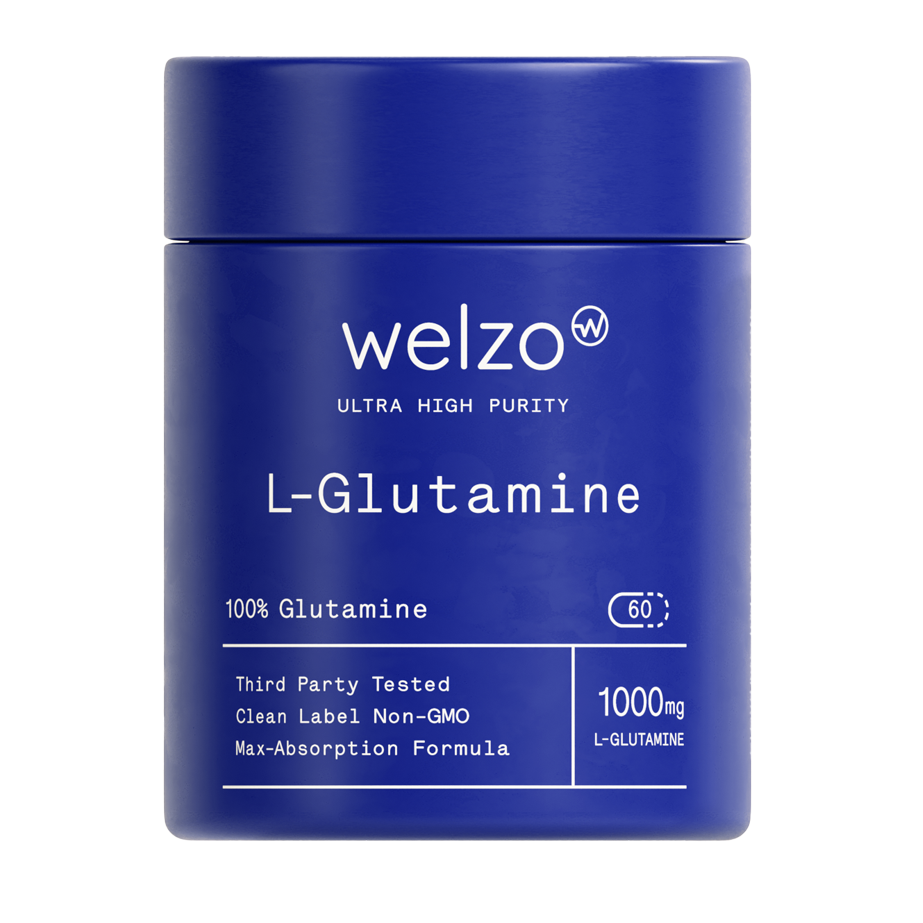
Verdict: This is the L-glutamine supplement I now recommend first.
The Welzo Ultra Purity L-Glutamine is my top recommendation for 2026. It is a premium pharmaceutical-grade L-glutamine supplement formulated to the same evidence-led Ultra Purity standard as Welzo's NMN Pro 1000, Berberine, TMG, Trans-Resveratrol, Apigenin, Spermidine, Astaxanthin, and PQQ — making it the natural choice for users building a structured gut health, recovery, or longevity stack from a single brand standard.
What I like clinically:
- Clinically aligned dose. Designed to deliver L-glutamine at the published clinical-trial dosing levels for gut health, immune support, and recovery applications.
- Pharmaceutical-grade ingredient sourcing. Premium pure free-form L-glutamine sourced and processed to high quality standards with rigorous testing for ingredient identity, potency, and contaminants.
- Single-ingredient transparent formulation. No proprietary blend, no marketing-driven additions, no unnecessary fillers, no flavourings or sweeteners that would compromise its use for sensitive gut applications. Just pure L-glutamine, in a clean format.
- Ultra Purity™ manufacturing standard. Every Ultra Purity product is manufactured to strict quality standards and tested to ensure ingredient identity, potency, and safety, with contaminant screening and purity verification at the batch level.
- Designed by Welzo's medical team as part of the Ultra Purity range, using current nutritional science and clinical insight rather than marketing trends. Each ingredient must earn its place — if it does not meaningfully contribute to the formulation, it is excluded.
- Coherent stack design across the Welzo Ultra Purity range. Pairs naturally with Welzo Ultra Purity Modified Citrus Pectin Powder (gut binding and elimination support), Welzo Ultra Purity TUDCA (bile acid and gut barrier support), Welzo Ultra Purity NMN Pro 1000 (cellular energy), Welzo Ultra Purity TMG (methylation), Welzo Ultra Purity Berberine (metabolic and gut microbiome support), and Welzo Ultra Purity Pure Bovine Collagen Peptides (structural support for gut lining and connective tissues). For users building a structured gut health and recovery protocol, this brand consistency matters — same testing standards, same transparency philosophy, same pharmaceutical-grade manufacturing.
- Vegan-suitable formulation with no animal-derived ingredients.
- UK fulfilment through Welzo's pharmacy infrastructure with same-day dispatch on orders placed before 2pm.
Who it's for: Adults seeking premium-grade L-glutamine for gut health support, post-illness recovery, exercise recovery, immune support, or as part of a structured longevity or clinical nutrition protocol. Adults with chronic gut symptoms (IBS, food sensitivities, post-antibiotic gut disruption) seeking evidence-based gut barrier support. Athletes performing high-volume training programmes who need recovery and immune support. Adults recovering from significant viral illness, infection, surgery, or major physical stress. Users already taking other Welzo Ultra Purity products who want consistent brand and quality standards across their stack.
Who it's not for: Pregnant or breastfeeding women without obstetrician input. Anyone with severe liver or kidney disease without specialist input. Anyone with active or recent cancer without oncology team approval (see safety section — cancer-and-glutamine is a complex area). Anyone with epilepsy or seizure disorders without neurologist input (theoretical glutamate-related concern at high doses). Anyone with rare urea cycle disorders.
My recommendation: Start with 5 g daily with food for the first week to assess tolerance. For gut health protocols, titrate to 5–10 g daily, ideally split into 2–3 doses across the day, with at least one dose taken 30 minutes before food or at bedtime on an empty stomach for maximum gut-cell uptake. For exercise recovery, 5 g pre-workout and 5 g post-workout is the typical protocol. Run an honest 8–12 week trial for gut health endpoints; subjective endpoints (energy, recovery, gut symptoms) often register within 2–4 weeks.
2. Pure Encapsulations L-Glutamine Powder 227g — Best Practitioner-Grade Hypoallergenic Powder

Pure Encapsulations L-Glutamine Powder 227g is the practitioner-grade option from Pure Encapsulations — one of the most-trusted hypoallergenic supplement brands globally, with strong adoption among functional medicine, integrative health, and nutritional therapy practitioners. Pure Encapsulations is built around a hypoallergenic manufacturing philosophy — meaning their products are specifically designed to be free of common allergens, fillers, and additives that can irritate sensitive guts.
What I like clinically:
- Hypoallergenic manufacturing standards. Pure Encapsulations is one of the most recognised hypoallergenic supplement brands — particularly relevant for users with multiple sensitivities, food allergies, or gut conditions where additives can be counterproductive.
- Pure free-form L-glutamine — no fillers, no flavourings, no sweeteners.
- 227-gram bulk powder — provides 45 servings at 5 g, or 22 servings at 10 g, supporting clinical-protocol dosing flexibility.
- Practitioner-recommended brand. Pure Encapsulations is one of the most commonly recommended brands by functional medicine practitioners and registered nutritional therapists.
- Strong third-party testing and quality control consistent with practitioner-tier brand standards.
- Bulk powder format — substantially more cost-effective per gram than capsules at clinical doses.
The trade-off: Premium practitioner-tier pricing. Less name recognition outside functional medicine circles than mass-market brands.
Who it's for: Users with sensitive guts, multiple allergies, or complex chemical sensitivities who need a hypoallergenic formulation. Users working with a functional medicine practitioner or nutritional therapist who recommends Pure Encapsulations. Users running clinical-protocol gut health doses (5–10+ g daily) where bulk powder is more practical and economical than capsules.
3. Klaire Labs L-Glutamine Powder 351g — Best Clinical-Protocol Bulk Powder
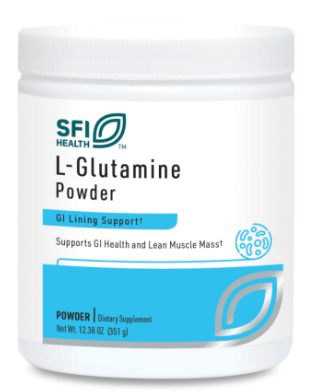
Klaire Labs L-Glutamine Powder 351g is the clinical-protocol bulk powder option from Klaire Labs — a US practitioner brand widely recommended for complex gut and methylation cases. Klaire Labs has a particularly strong reputation in autism, MTHFR, and complex gastrointestinal protocols where their hypoallergenic manufacturing standards are clinically valued.
What I like clinically:
- Generous 351-gram pack — provides 70 servings at 5 g, or 35 servings at 10 g. Strong adherence and value-per-protocol-cycle for sustained clinical dosing.
- Practitioner-grade Klaire Labs quality with rigorous quality control built for clinical use, particularly in sensitive populations.
- Pure free-form L-glutamine — no fillers, no flavourings, no sweeteners.
- Hypoallergenic formulation consistent with Klaire's brand standards — important for users with multiple sensitivities.
- Strong reputation in functional medicine for complex gut and immune cases.
- Dose-flexible bulk powder — supports any protocol from 3 g daily to 30 g daily research-protocol levels.
The trade-off: Premium practitioner-tier pricing. Less name recognition outside practitioner circles.
Who it's for: Users running clinical-protocol high-dose gut health protocols (10–30 g daily) where the larger pack provides better value-per-cycle. Users working with a functional medicine practitioner who recommends Klaire Labs. Users with complex methylation, autism-spectrum, or multiple sensitivity profiles where Klaire's hypoallergenic standards matter.
4. Swanson AjiPure L-Glutamine Powder 340g — Best Pharmaceutical-Grade AjiPure Raw Material
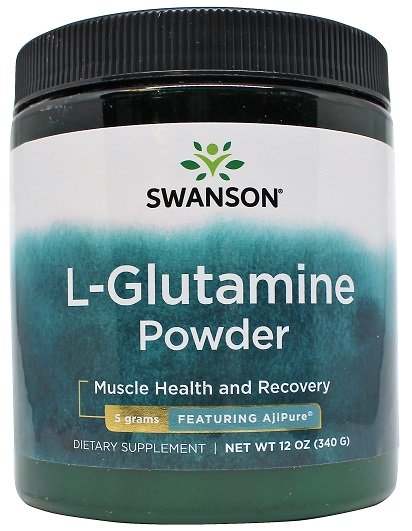
Swanson AjiPure L-Glutamine Powder 340g uses AjiPure® — the pharmaceutical-grade L-glutamine raw material from Ajinomoto, the Japanese amino acid manufacturer that produces the largest share of the world's pharmaceutical-grade amino acids. AjiPure is considered the gold-standard L-glutamine raw material for clinical research and is used in numerous published studies.
What I like clinically:
- AjiPure® pharmaceutical-grade raw material. AjiPure is one of the most-used pharmaceutical-grade L-glutamine raw materials in published clinical research — meaning the L-glutamine in this product matches the quality standard used in research studies.
- Heritage Swanson brand value — Swanson Health was founded in 1969 and has built its reputation over five decades on science-backed ingredients at value pricing. Consistently identified by ConsumerLab and similar third-party testing communities as a top pick for label accuracy.
- 340-gram pack — provides 68 servings at 5 g, supporting sustained protocol dosing.
- Pure free-form L-glutamine — no fillers, no flavourings, no sweeteners.
- Strong value-per-gram for pharmaceutical-grade quality — making this one of the best value-per-quality options on the market.
- Established brand consistency with strong third-party testing reputation.
The trade-off: Standard tub format without the practitioner-tier hypoallergenic positioning of the Pure Encapsulations or Klaire Labs options.
Who it's for: Users wanting research-grade pharmaceutical-quality L-glutamine at heritage-brand value pricing. Users running sustained gut health, recovery, or athletic protocols who want pharmaceutical-grade consistency without practitioner-tier pricing. Users who already trust the Swanson brand from other supplements.
5. Doctor's Best L-Glutamine Powder 300g — Best Premium Science-Led Powder
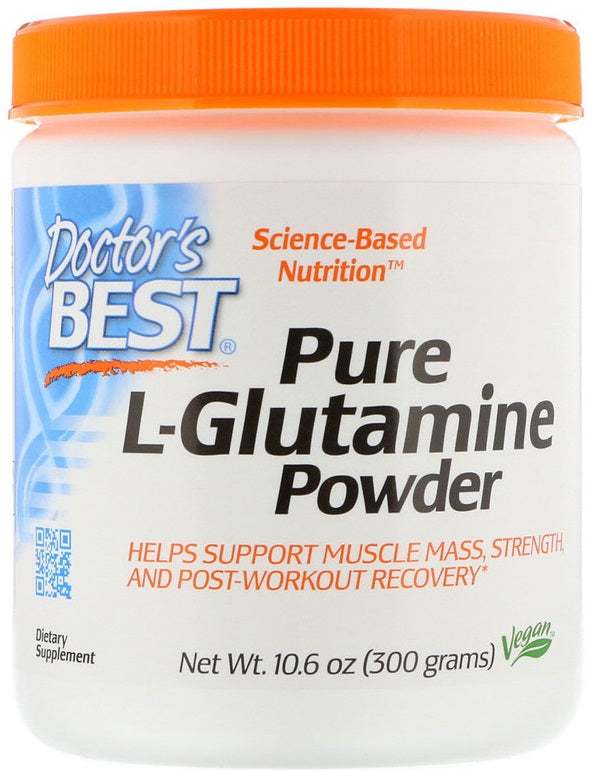
Doctor's Best L-Glutamine Powder 300g is the premium science-led option from Doctor's Best — a US brand with a strong reputation for evidence-aligned formulations and consistent third-party testing. Doctor's Best products are widely used in both consumer wellness and integrative health settings.
What I like clinically:
- 300-gram pack — provides 60 servings at 5 g, supporting sustained protocol dosing.
- Pure free-form L-glutamine — clean formulation without fillers or additives.
- Doctor's Best brand reputation. Doctor's Best is a long-established US supplement brand with strong third-party testing standards and a reputation for science-led formulations.
- Strong third-party testing transparency consistent with the brand's standards.
- Vegan-suitable powder format.
- Consistent practitioner endorsement in integrative health circles.
The trade-off: Premium positioning between heritage value brands and practitioner-tier brands. Less name recognition than Pure Encapsulations in functional medicine circles.
Who it's for: Users wanting a premium science-led brand alternative to the heritage value or practitioner-tier options. Users who already use other Doctor's Best products and want brand consistency.
6. NOW Foods L-Glutamine Double Strength 1000mg, 120 Capsules — Best Heritage Value High-Strength Capsule

NOW Foods L-Glutamine Double Strength 1000mg, 120 Capsules is the high-strength capsule option from NOW Foods — one of the most-tested supplement brands in independent third-party reviews, founded in 1968 and consistently identified by ConsumerLab and similar testing communities as a top pick for label accuracy and consistency. The full-gram-per-capsule dose is the most efficient capsule-form dosing for users wanting capsule convenience without taking many capsules per day.
What I like clinically:
- Full 1,000 mg per capsule — the most efficient capsule-form dosing. Five capsules daily delivers a 5 g dose without an unmanageable pill burden.
- Heritage NOW Foods brand reputation with strong third-party testing standards.
- 120-capsule pack — provides 24 days at 5 g daily, or 48 days at 2.5 g daily.
- Strong value pricing — making this one of the most economical high-strength capsule options.
- Convenient capsule format — easier travel and adherence than powder for users who prefer capsules.
- GMP-manufactured with NOW Foods' established quality control standards.
The trade-off: Capsule format is less cost-effective per gram than powder at clinical doses (5+ g daily). Five capsules daily is a reasonable pill burden but more than the convenience-positioned 1-capsule-daily supplements.
Who it's for: Users who specifically prefer capsules over powder for daily adherence and travel convenience. Users running mid-range protocols (2.5–5 g daily) where the capsule format is practical. Users who already trust NOW Foods from other supplements.
7. Applied Nutrition L-Glutamine Powder Micronized — Best UK Sports Nutrition Micronized Powder
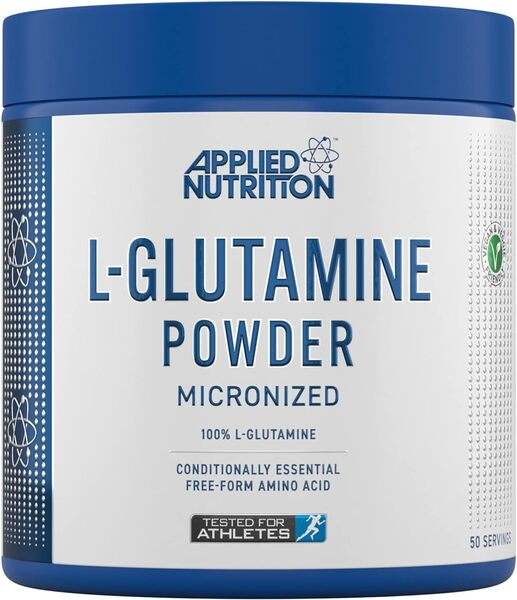
Applied Nutrition L-Glutamine Powder Micronized is the UK sports nutrition option from Applied Nutrition — a long-established UK sports supplement brand with strong domestic recognition and supply chain. The micronized formulation refers to a finer particle size that improves mixability in water and other beverages.
What I like clinically:
- Micronized particle size — improves mixability in water, smoothies, and pre/post-workout drinks. Practical advantage for users adding L-glutamine to existing supplement routines.
- UK heritage sports nutrition brand with strong domestic supply chain and regulatory familiarity.
- Sports nutrition positioning — specifically targeted at exercise recovery, training adaptation, and athletic performance applications.
- Pure L-glutamine without unnecessary additives.
- UK formulation and supply chain with familiar UK regulatory oversight.
The trade-off: Sports nutrition positioning means less specific positioning for clinical gut health applications compared to practitioner-tier brands.
Who it's for: UK-based athletes wanting a domestic sports nutrition brand for exercise recovery and training support. Users who specifically value the mixability advantage of micronized particle size for stacking with other supplement powders. Users who prefer to support UK heritage sports nutrition brands.
8. NOW Foods L-Glutamine 500mg, 120 Veg Capsules — Best Vegan Capsule Heritage Option
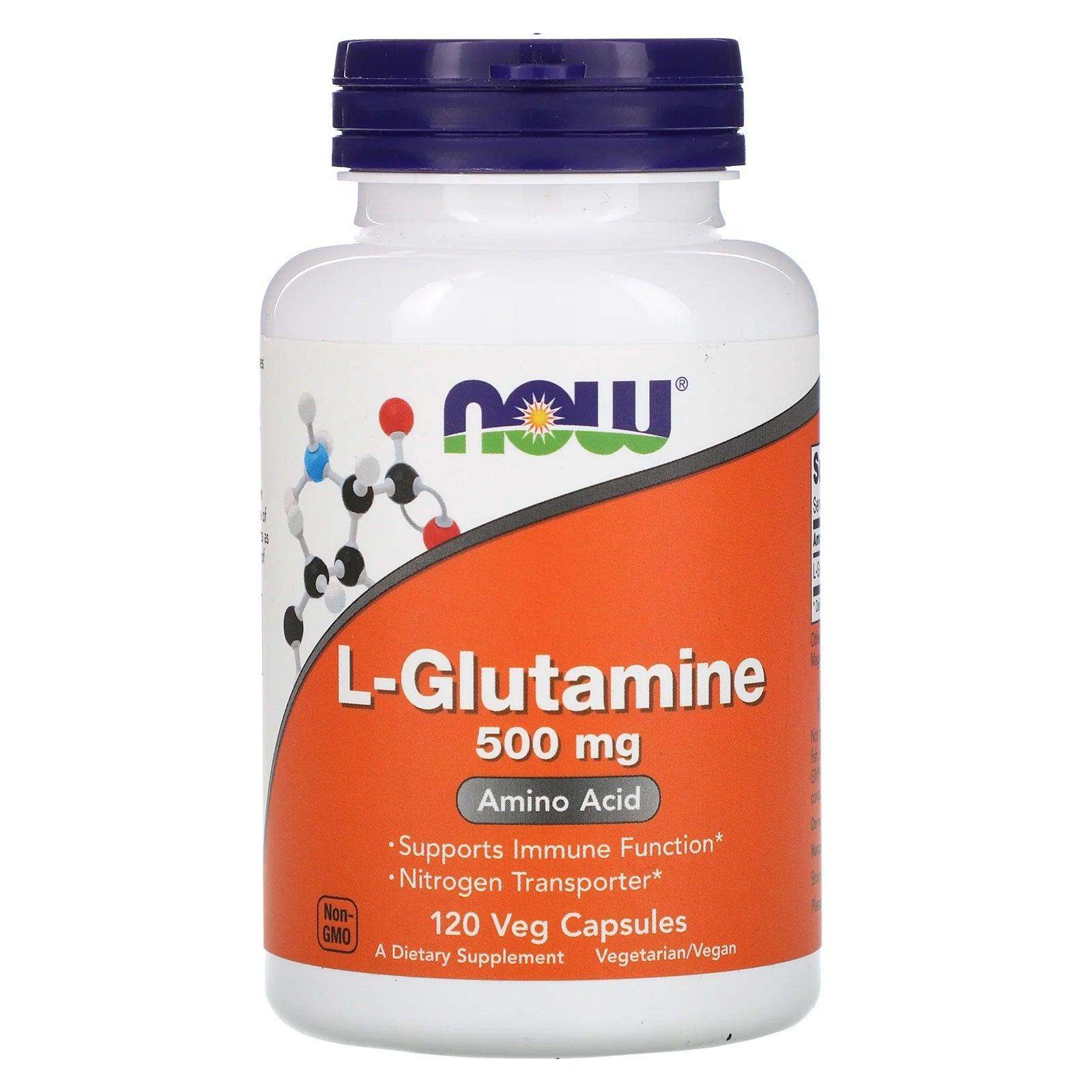
NOW Foods L-Glutamine 500mg, 120 Veg Capsules is the standard-strength vegan-capsule option from NOW Foods — providing 500 mg of L-glutamine per vegan-suitable HPMC capsule. This is the option for users who want lower per-capsule dosing for flexible titration, or who specifically need vegan-suitable capsule formulations.
What I like clinically:
- Standard 500 mg per veg capsule — supports flexible titration from 1 g (2 capsules) to 5 g (10 capsules).
- Vegan capsule shell (HPMC) — suitable for vegan and vegetarian users.
- Heritage NOW Foods brand reputation with consistent third-party testing.
- 120-capsule pack for sustained use.
- Strong value pricing for vegan-suitable capsule format.
The trade-off: Lower per-capsule dosing means higher pill burden at clinical doses. Capsule format is less cost-effective than powder at higher protocol doses.
Who it's for: Vegan and vegetarian users who specifically need vegan-suitable capsule formulations. Users running lower-dose protocols (1–2 g daily) where capsules are practical. Users who prefer NOW Foods brand from other supplements.
9. Swanson L-Glutamine 500mg, 100 Capsules — Best Heritage Budget Capsule
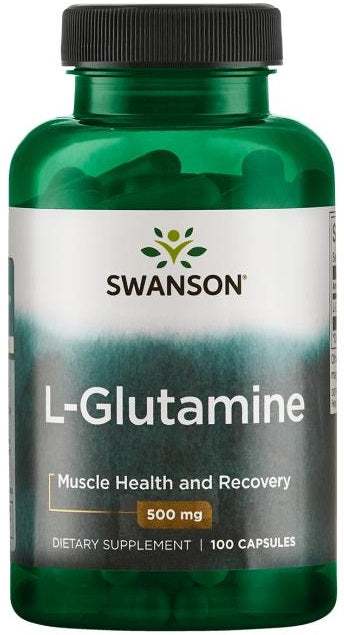
Swanson L-Glutamine 500mg, 100 Capsules is the standard heritage budget option from Swanson — providing reliable L-glutamine at the most accessible pricing in the category. This is the option to choose if you want a heritage-brand entry-level L-glutamine for testing tolerability and effect before committing to a premium tier or a bulk powder.
What I like clinically:
- Heritage Swanson brand quality with strong third-party testing reputation and consistent label accuracy.
- Standard 500 mg per capsule supporting flexible titration.
- 100-capsule pack for entry-level trial.
- Strong value pricing — making this one of the most economical entry-level L-glutamine options.
- Transparent labelling with simple ingredient list.
- Accessible for first-time users who want to test L-glutamine tolerability before committing to higher-dose protocols.
The trade-off: Standard formulation without premium-tier or sports-nutrition positioning. Capsule format limits practicality at higher doses.
Who it's for: First-time L-glutamine users wanting a heritage-brand reliable option to test the supplement before committing to a premium-tier product or bulk powder. Users running low-dose maintenance protocols (1–2 g daily). Users who already trust Swanson from other supplements.
10. BioCare L-Glutamine 200g — Best UK Practitioner Heritage Brand
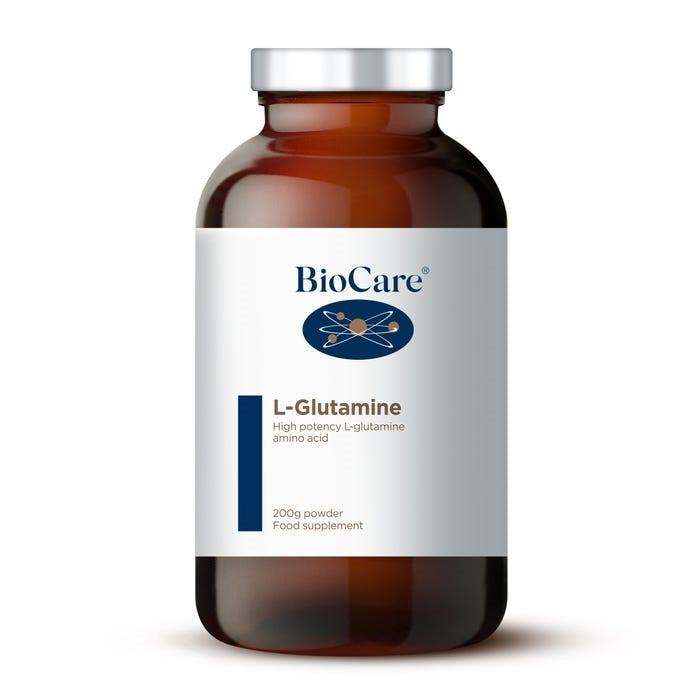
BioCare L-Glutamine 200g is the UK practitioner heritage option from BioCare — one of the longest-established UK supplement brands, founded in 1986, with strong recognition among UK nutritional therapists, naturopaths, and integrative health practitioners. BioCare is particularly trusted for its UK manufacturing and practitioner-grade quality control.
What I like clinically:
- UK heritage practitioner brand. BioCare is one of the most established UK supplement brands, with strong domestic supply chain, UK regulatory familiarity, and consistent practitioner endorsement.
- 200-gram bulk powder — provides 40 servings at 5 g, supporting sustained protocol dosing.
- Pure L-glutamine with clean formulation.
- Strong UK practitioner reputation — particularly among nutritional therapists and registered dietitians for clinical applications.
- UK manufacturing standards with familiar UK regulatory oversight.
The trade-off: Premium practitioner-tier pricing reflects the brand's UK heritage positioning.
Who it's for: UK-based users working with a nutritional therapist, naturopath, or integrative health practitioner who recommends BioCare. Users who specifically prefer UK heritage practitioner brands over US-imported alternatives. Users wanting domestic UK supply chain for their gut health protocol.
Comparison table: the 10 L-glutamine supplements at a glance
| Rank | Product | Format | Pack Size | Best For |
|---|---|---|---|---|
| 1 | Welzo Ultra Purity L-Glutamine | Premium | Clinical-aligned | Best overall |
| 2 | Pure Encapsulations | Powder | 227g | Best practitioner hypoallergenic |
| 3 | Klaire Labs | Powder | 351g | Best clinical-protocol bulk |
| 4 | Swanson AjiPure | Powder | 340g | Best pharmaceutical-grade value |
| 5 | Doctor's Best | Powder | 300g | Best premium science-led |
| 6 | NOW Foods Double Strength | 1000mg caps | 120 caps | Best heritage high-strength capsule |
| 7 | Applied Nutrition Micronized | Powder | UK sports | Best UK sports nutrition |
| 8 | NOW Foods 500mg Veg | Veg capsule | 120 vcaps | Best vegan capsule |
| 9 | Swanson 500mg | Capsule | 100 caps | Best heritage budget capsule |
| 10 | BioCare 200g | Powder | 200g | Best UK practitioner heritage |
A clinical 12-week L-glutamine protocol
The protocol I recommend for L-glutamine reflects the published clinical-trial dosing structure — appropriate to the user's primary goal (gut health, exercise recovery, post-illness recovery, immune support), with structured measurement windows for each application.
For gut health and intestinal permeability
Week 0 — baseline assessment. Document baseline gut symptoms (bloating, irregularity, food sensitivities, post-meal discomfort, energy crashes) on a 1–10 daily diary. If you have access to comprehensive testing through a nutritional therapist (intestinal permeability testing, stool microbiome analysis, food sensitivity testing), document baseline. Otherwise, subjective symptom tracking is the practical baseline.
Weeks 1–2 — initiation window. Begin with 5 g once daily on an empty stomach (30 minutes before food, or at bedtime). On an empty stomach matters for gut applications because it maximises uptake by enterocytes (gut lining cells) before competing with other amino acids for absorption. Watch for tolerance — L-glutamine is generally very well-tolerated but mild GI symptoms in the first 2–3 days are uncommon but possible.
Weeks 3–8 — sustained therapeutic dosing. Titrate to 5–10 g daily, typically split as 5 g morning empty stomach + 5 g bedtime empty stomach. By week 6–8, gut symptom improvements become evaluable.
Weeks 9–12 — measurement window. Compare against your baseline symptom diary. Meaningful improvements typically include: reduced post-meal bloating, more regular bowel movements, reduced food sensitivity reactions, reduced gut-related fatigue. If improvements are clear and meaningful, continue at the effective dose. If improvements are partial, consider whether complementary interventions are needed (probiotics, dietary work, addressing food sensitivities, microbiome testing).
Months 3–12 — sustained use. L-glutamine is suited to long-term use during ongoing gut healing protocols. For users with chronic gut issues, sustained 5–10 g daily intake alongside dietary work is reasonable.
For exercise recovery
Standard athlete protocol:
- 5 g pre-workout (30 minutes before training).
- 5 g post-workout (within 30 minutes after training).
- 5 g before bed on training days for overnight recovery support.
For users in particularly demanding training blocks (multi-session days, competition phases), 10–15 g/day total split across these windows is the typical protocol. Run for at least 4 weeks before evaluating recovery, soreness, and immune function changes.
For post-illness recovery (including post-viral / Long COVID supportive use)
Initial loading: 5 g three times daily (15 g total) for 2 weeks to support rapid gut and immune cell repletion.
Sustained dosing: 5–10 g daily for 4–12 weeks alongside appropriate medical oversight, rest, and dietary support.
This protocol should ideally be conducted with GP, nutritional therapist, or specialist input for users recovering from significant illness — L-glutamine is one component of a broader recovery strategy, not a standalone treatment.
For severe gut barrier dysfunction (research-protocol high-dose)
For users with established severe intestinal permeability (typically diagnosed through testing under nutritional therapist or functional medicine practitioner supervision), some research protocols use 30+ g/day for 1–2 weeks to rapidly support gut barrier reassembly.
Important: This high-dose protocol should only be undertaken with practitioner supervision. It is not a self-treatment protocol.
Important dosing principles for L-glutamine
- Empty stomach dosing for gut health. L-glutamine taken on an empty stomach maximises gut cell uptake. With food is fine for general use but suboptimal for targeted gut applications.
- Pre/post-workout for recovery. Time around exercise sessions for muscle and immune cell support.
- Dissolve in water or unflavoured beverages. L-glutamine is mostly tasteless and dissolves easily — practical for stacking with other supplement powders.
- Don't combine in the same dose with high-protein meals. Other amino acids compete for the same intestinal transporters; separate L-glutamine doses by 30+ minutes from large protein meals when targeting gut applications.
- Set a 4–12 week minimum trial. Most published outcomes register over 4–12 weeks. Don't judge effect at week 1.
- Track objective markers where possible. Symptom diaries are reasonable; for serious gut concerns, work with a nutritional therapist or GP for proper testing.
Safety, contraindications, and special populations
L-glutamine has a strong general safety profile — but several specific situations warrant careful consideration. This is the section I most want users to read before starting.
General safety profile
L-glutamine has a strong general safety profile in healthy adults. It is the most abundant free amino acid in the human body, naturally present in all dietary protein, and has been studied at supplemental doses up to 30+ g/day in research protocols without serious safety concerns. The published clinical-trial literature consistently reports mild and uncommon side effects.
However, several specific populations and conditions warrant caution.
Cancer — a complex consideration
This is the most important safety topic for L-glutamine, and one most consumer guides skip over.
L-glutamine and cancer is a clinically complex area. The complexity arises because:
Some cancer treatment contexts genuinely benefit from L-glutamine. L-glutamine is widely used in oncology supportive care to reduce chemotherapy- and radiotherapy-related side effects (mucositis, gut barrier damage, treatment-related diarrhoea). This use is well-evidenced and standard in many oncology centres.
Some cancer cell types preferentially use L-glutamine for energy. Certain rapidly-proliferating cancer cells are "glutamine-addicted" — meaning L-glutamine fuels their growth and proliferation. In these specific contexts, glutamine restriction (not supplementation) may be a therapeutic strategy.
The clinical bottom line: Users with active or recent cancer, undergoing cancer treatment, or being monitored for cancer recurrence should not start L-glutamine supplementation without explicit oncology team approval. The right approach depends on the specific cancer type, treatment phase, and individual clinical context — and these are decisions for your oncology team, not for self-supplementation.
Pregnancy and breastfeeding
Discuss L-glutamine supplementation during pregnancy or breastfeeding with your obstetrician or pharmacist before starting. While dietary L-glutamine intake from foods is generally safe, concentrated supplementation has not been extensively studied in pregnant or breastfeeding women.
Severe liver disease
L-glutamine metabolism produces small amounts of ammonia, which the liver normally clears efficiently. In severe liver disease (cirrhosis, advanced hepatic dysfunction), this clearance can be compromised, and high-dose L-glutamine could theoretically contribute to ammonia accumulation. Users with established severe liver disease should not start L-glutamine without specialist hepatology input.
Severe kidney disease
L-glutamine contributes to nitrogen load that the kidneys must clear. In severe kidney disease (advanced chronic kidney disease, dialysis), this can be a meaningful consideration. Users with established severe kidney disease should discuss with their nephrologist before starting.
Epilepsy and seizure disorders
L-glutamine is the precursor to glutamate, the brain's primary excitatory neurotransmitter. For users with epilepsy, seizure disorders, or other conditions of neurological hyperexcitability, the theoretical concern is that high-dose L-glutamine could shift the glutamate-GABA balance unfavourably. This is largely theoretical — published clinical safety data does not show seizure provocation at typical supplemental doses — but users with epilepsy or seizure disorders should discuss with their neurologist before starting.
Mental health considerations
The same glutamate-related mechanism is occasionally relevant for users with severe anxiety disorders, bipolar disorder, or severe mood instability. While most users tolerate L-glutamine well from a mental health perspective, anyone with a relevant psychiatric history should monitor for mood changes when starting and discuss with their treating team if concerns arise.
Rare metabolic conditions
L-glutamine is part of normal nitrogen metabolism, and users with rare urea cycle disorders or other genetic conditions affecting amino acid metabolism should not supplement without specialist input.
Drug interactions
L-glutamine has a relatively low drug-interaction profile compared to many supplements. Specific situations warranting prescriber discussion:
- Anticonvulsant medications — see epilepsy section above.
- Lactulose (used for hepatic encephalopathy management) — theoretical interaction via ammonia metabolism.
- Some chemotherapy regimens — see cancer section above.
If you take any prescription medication, discuss with your pharmacist before starting.
Side effects
L-glutamine is generally well-tolerated. Reported side effects are uncommon and typically mild:
- Mild gastrointestinal symptoms (bloating, mild discomfort) in the first few days at higher doses.
- Headaches in some users at very high doses (>20 g/day).
- Mild mood changes in sensitive individuals (rare).
Most users tolerate clinical-trial doses (5–15 g/day) without any noticeable side effects.
General supplement safety
- Discuss L-glutamine with your GP, pharmacist, or specialist before starting — particularly if you have any of the conditions described above, take prescription medication, or are managing your health under active medical supervision.
- Tell your healthcare team about every supplement you take.
- For high-dose protocols (>15 g/day) or extended use (>3 months at clinical doses), periodic GP or nutritional therapist review is sensible.
If you experience severe or unusual symptoms — severe headaches, mood changes, neurological symptoms, severe GI distress, or any unusual reaction — please seek medical assessment.
Frequently asked questions
What is the best L-glutamine supplement in the UK?
The best L-glutamine supplement in the UK in 2026 is the Welzo Ultra Purity L-Glutamine. It combines clinically aligned dosing, premium-grade pharmaceutical sourcing, the Welzo Ultra Purity manufacturing standard with rigorous testing for identity, potency, and contaminants, and coherent stack design with the broader Welzo Ultra Purity range — making it the natural first choice for users building a structured gut health, recovery, or longevity protocol.
What does L-glutamine actually do?
L-glutamine has at least four major biological roles: (1) primary fuel source for intestinal cells (enterocytes) — supporting gut barrier integrity, (2) primary fuel source for immune cells (lymphocytes and macrophages) — supporting immune function, (3) nitrogen and carbon donor for nucleotide and glutathione synthesis — supporting cellular regeneration, and (4) precursor to glutamate and GABA in the brain — supporting neurotransmitter function. The strongest evidence supports gut health, exercise recovery, immune support, and clinical recovery from illness or surgery.
Does L-glutamine actually work for leaky gut?
The published evidence is supportive — particularly in conditions involving compromised intestinal barrier function (IBS, IBD, post-exercise gut dysfunction, post-chemotherapy gut damage, post-antibiotic gut disruption). Most users with chronic gut symptoms benefit from a structured 4–12 week trial at 5–10 g/day. For severe established intestinal permeability, higher-dose research protocols (15–30 g/day for 1–2 weeks) are sometimes used under practitioner supervision. Pair with appropriate dietary work and probiotics for best results.
How long does L-glutamine take to work?
For subjective gut symptoms (bloating, regularity, post-meal comfort): often 2–4 weeks for early effects, with maximum benefit around 8–12 weeks. For exercise recovery: 1–4 weeks for noticeable recovery and soreness changes. For post-illness recovery: 4–12 weeks of consistent supplementation alongside other recovery strategies. For deep cellular gut barrier repair: several months of sustained use.
What's the best dose of L-glutamine?
It depends on the application:
- General gut health and exercise recovery: 3–10 g daily, often split into 2–3 doses.
- Established gut barrier dysfunction (IBS, IBD support): 10–15 g daily for 4–12 weeks.
- Severe intestinal permeability protocols (research-protocol): 30+ g daily for 1–2 weeks (under practitioner supervision).
- Athletic recovery: 5 g pre- and post-workout, or 10 g daily on training days.
- Post-illness/clinical recovery: 5–15 g daily for 4–12 weeks.
Start low (5 g daily) and titrate up based on goals and tolerance.
When should I take L-glutamine?
For gut health applications: take on an empty stomach (30 minutes before food, or at bedtime) — empty stomach maximises gut cell uptake before competing amino acids. For exercise recovery: pre-workout and post-workout. For immune support and post-illness recovery: timing matters less; consistency matters more.
Is L-glutamine safe for long-term use?
Yes, for most healthy adults — L-glutamine is a normal dietary amino acid, and supplemental use over multi-month periods is well-tolerated in published research. As with any active supplement, periodic review with your GP or nutritional therapist is sensible, particularly for high-dose protocols or extended (>6 month) use.
Can I take L-glutamine with whey protein?
Yes, but timing matters. Whey protein already contains L-glutamine (typically 4–8% by amino acid content). If your goal is muscle recovery, taking L-glutamine with whey is fine. If your goal is specific gut barrier support, take L-glutamine separately on an empty stomach for maximum uptake by gut cells.
Can I take L-glutamine with probiotics?
Yes — and this is one of the most evidence-aligned gut health pairings. L-glutamine fuels the gut lining cells (enterocytes), while probiotics support the gut microbiome composition. The two work through complementary mechanisms and combine into a coherent gut health protocol. See the Welzo Probiotics collection for compatible options.
Can I take L-glutamine with NMN, TMG, or other longevity supplements?
Yes — L-glutamine pairs naturally with the broader longevity stack. The Welzo Ultra Purity range includes L-Glutamine alongside NMN Pro 1000, TMG, Berberine, Trans-Resveratrol, Apigenin, Spermidine, Astaxanthin, PQQ, and Pure Bovine Collagen Peptides — each addressing a different cellular pillar.
Is L-glutamine safe during pregnancy?
Discuss with your obstetrician or pharmacist before starting any L-glutamine supplement during pregnancy. While dietary L-glutamine from foods is generally safe, concentrated supplementation has not been extensively studied in pregnant women.
Can men and women both benefit from L-glutamine?
Yes. L-glutamine is well-tolerated in both sexes and the published evidence applies broadly — there are no sex-specific safety or efficacy concerns at standard doses.
Is L-glutamine safe if I have cancer?
This requires oncology team approval. L-glutamine and cancer is a complex area — some cancer treatment contexts benefit from L-glutamine (supportive care for chemotherapy/radiotherapy side effects), but some cancer cell types preferentially use L-glutamine for growth. Users with active or recent cancer should not self-supplement L-glutamine without explicit oncology team input.
Do I need L-glutamine if I eat lots of protein?
Possibly less than someone with a low-protein diet — high-protein diets provide meaningful glutamine intake. However, dietary L-glutamine is consumed and broken down throughout the body before it specifically reaches the gut lining cells — so even with high protein intake, targeted L-glutamine supplementation can provide more glutamine specifically for gut applications. The pragmatic approach is: maintain adequate dietary protein AND supplement specifically when targeted gut, recovery, or immune support is the goal.
What's the difference between L-glutamine and glutamic acid (glutamate)?
L-glutamine is the amino acid form (with an amide group). Glutamic acid (glutamate) is the related amino acid found in dietary protein and (in salt form, monosodium glutamate / MSG) used as a flavour enhancer. They are biochemically related — your body converts L-glutamine into glutamate as needed — but they are distinct molecules with different properties. For supplementation, you want L-glutamine (or "free-form L-glutamine"). MSG and glutamate are not interchangeable with L-glutamine for the supplement applications described in this guide.
Why does the Welzo Ultra Purity L-Glutamine rank #1?
Three reasons. First, clinical-grade ingredient sourcing and dose — premium pharmaceutical-grade pure free-form L-glutamine at clinically-aligned dosing for gut health, recovery, and immune support applications. Second, the Ultra Purity manufacturing standard — every batch tested for identity, potency, and contaminants, with no proprietary blend, no fillers, no flavourings or sweeteners that would compromise gut applications, no unnecessary additives. Third, coherent stack design — pairs naturally with the Welzo Ultra Purity NMN Pro 1000, TMG, Berberine, Trans-Resveratrol, Apigenin, Spermidine, Astaxanthin, PQQ, Modified Citrus Pectin, TUDCA, and Pure Bovine Collagen Peptides from the same brand standard, supporting a structured gut health and longevity protocol with consistent quality assurance throughout.
Are L-glutamine supplements worth it?
For users with clear goals — chronic gut symptoms, intense training programmes, post-illness recovery, post-surgical recovery, immune resilience during high-stress periods, or as part of a structured gut health or longevity protocol — yes, the published evidence supports a real chance of measurable improvement after 4–12 weeks of consistent supplementation. For users without these specific situations, L-glutamine may still provide modest benefit but the marginal effect is smaller. Set realistic expectations, run a structured trial, track your own response, and judge by your individual results rather than generic claims.
Final recommendation
L-glutamine is one of the most clinically credible amino acid supplements available — combining a clearly defined biological role across multiple cellular systems (gut barrier fuel, immune cell fuel, nitrogen donor, neurotransmitter precursor), substantial published human-trial evidence supporting gut health, exercise recovery, immune function, and clinical recovery applications, decades of use in critical care nutrition, and a strong safety profile that supports both short-term targeted protocols and long-term sustained use. It is one of the foundational supplements for anyone serious about gut health, athletic recovery, immune resilience, or recovery from significant physical or metabolic stress.
Among the L-glutamine products available on the UK market in 2026, the Welzo Ultra Purity L-Glutamine is the product I recommend first to my patients. It is premium-grade, clinically aligned in formulation, transparently formulated as a single ingredient, and manufactured to the Ultra Purity standard with rigorous testing for identity, potency, and contaminants. For users building a structured gut health, recovery, or longevity stack, it pairs naturally with the Welzo Ultra Purity NMN Pro 1000, TMG, Berberine, Trans-Resveratrol, Apigenin, Spermidine, Astaxanthin, PQQ, Modified Citrus Pectin, TUDCA, and Pure Bovine Collagen Peptides from the same brand standard — supporting a coherent quality-assured protocol across the full ingredient stack.
For users seeking a practitioner-grade hypoallergenic option, the Pure Encapsulations L-Glutamine Powder is the strongest alternative. For users running clinical-protocol high-dose protocols, the Klaire Labs L-Glutamine Powder 351g provides the best value-per-cycle for sustained dosing. For users wanting research-grade pharmaceutical quality at heritage pricing, the Swanson AjiPure L-Glutamine is unmatched.
Run an honest 8–12 week trial at the appropriate dose for your goal. Take on an empty stomach for gut applications; pre/post-workout for athletic recovery. Track baseline and follow-up symptoms or performance markers honestly. Pair with appropriate complementary interventions — probiotics and dietary work for gut health, protein and creatine for athletic recovery, broader nutrition support for post-illness recovery. And critically: discuss L-glutamine with your GP, pharmacist, or specialist before starting if you have severe liver or kidney disease, active or recent cancer, epilepsy, are pregnant or breastfeeding, or are managing any chronic medical condition.
For the broader UK gut health, recovery, and longevity range, see the Welzo Glutamine collection, the Welzo Ultra Purity range, the Probiotics collection, the Sports Nutrition collection, the Immune Support collection, and the Longevity Supplements collection. For complementary gut health and recovery ingredients, see Modified Citrus Pectin, Collagen, Magnesium, and the Amino Acids collection.
References and further reading
- Legault Z, Bagnall N, Kimmerly DS. (2015). The Influence of Oral L-Glutamine Supplementation on Muscle Strength Recovery and Soreness Following Unilateral Knee Extension Eccentric Exercise. International Journal of Sport Nutrition and Exercise Metabolism, 25(5):417–426.
- Coqueiro AY, Rogero MM, Tirapegui J. (2019). Glutamine as an Anti-Fatigue Amino Acid in Sports Nutrition. Nutrients, 11(4):863.
- Cruzat V, Macedo Rogero M, Noel Keane K, Curi R, Newsholme P. (2018). Glutamine: Metabolism and Immune Function, Supplementation and Clinical Translation. Nutrients, 10(11):1564.
- Kim MH, Kim H. (2017). The Roles of Glutamine in the Intestine and Its Implication in Intestinal Diseases. International Journal of Molecular Sciences, 18(5):1051.
- Wang B, Wu G, Zhou Z, et al. (2015). Glutamine and intestinal barrier function. Amino Acids, 47(10):2143–2154.
- Zuhl M, Schneider S, Lanphere K, Conn C, Dokladny K, Moseley P. (2014). Exercise regulation of intestinal tight junction proteins. British Journal of Sports Medicine, 48(12):980–986.
- Rao R, Samak G. (2012). Role of glutamine in protection of intestinal epithelial tight junctions. Journal of Epithelial Biology and Pharmacology, 5(Suppl 1-M7):47–54.
- Welzo Glutamine collection: https://welzo.com/collections/glutamine
- Welzo Ultra Purity range: https://welzo.com/collections/welzo-ultra-purity-supplements
- Welzo Probiotics collection: https://welzo.com/collections/probiotics
- Welzo Sports Nutrition collection: https://welzo.com/collections/sports-supplements
This article is for general information and is not a substitute for personalised medical advice. Always consult your GP, pharmacist, or a qualified healthcare professional before starting any new supplement, particularly if you are taking prescription medication, have severe liver or kidney disease, have active or recent cancer, have epilepsy or seizure disorders, are pregnant or breastfeeding, or are managing a chronic health condition. Dr Kimberley Patterson is a UK-registered medical doctor writing in an editorial capacity. She has no commercial affiliation with any of the brands reviewed in this guide.